Entry Biology
1 / 5
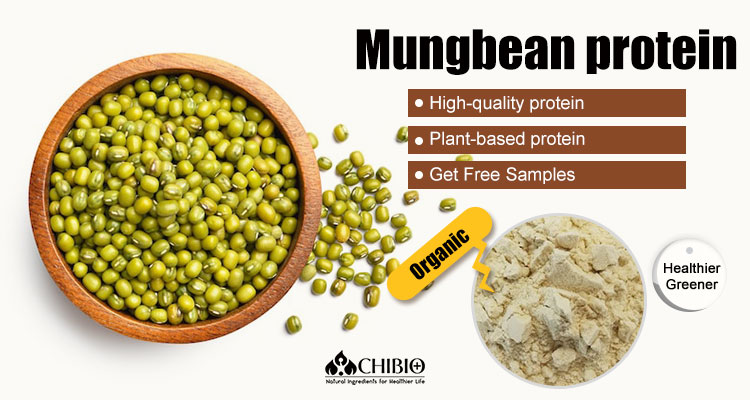
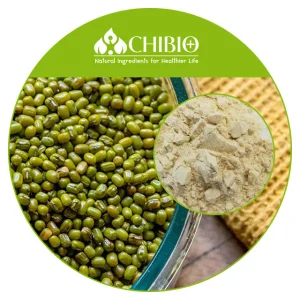
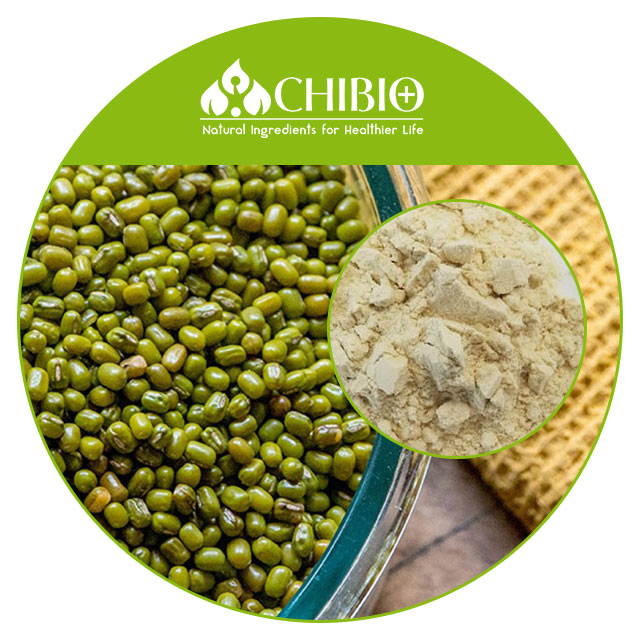
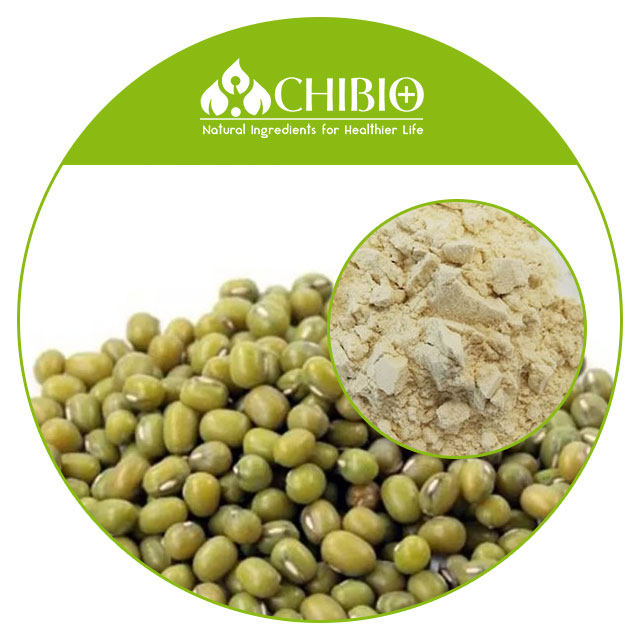
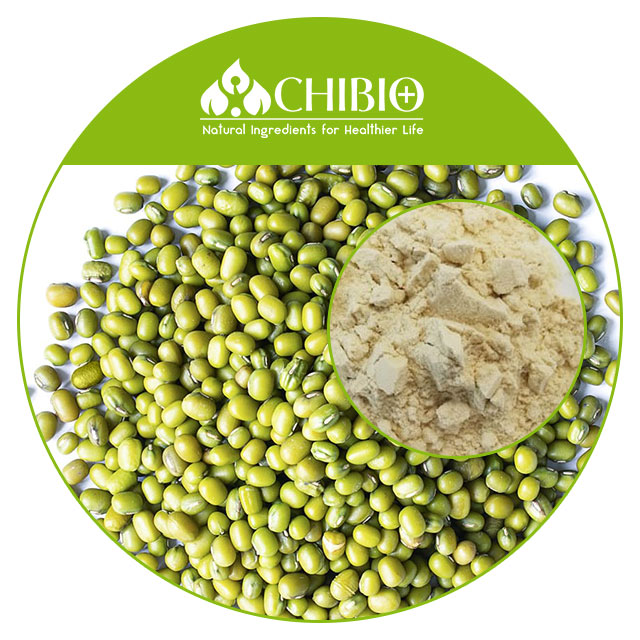
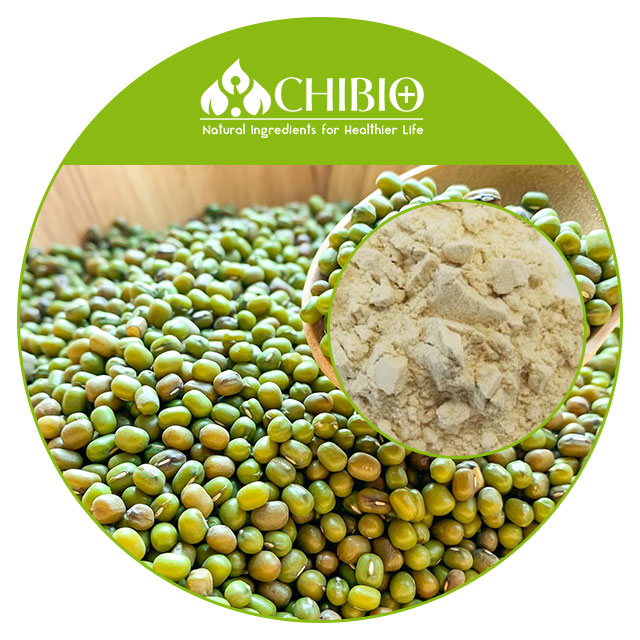
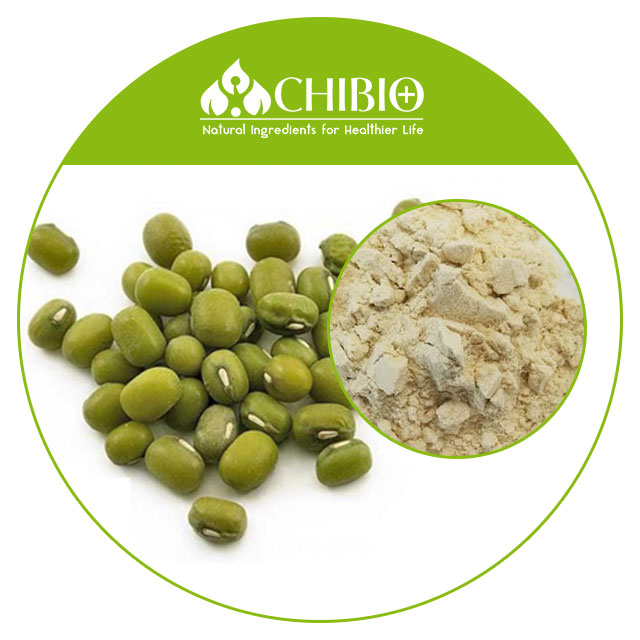
Mung beans are protein and nutrient-rich legumes that belong to the legume family. Mung beans contain many important bioactive components. Mung beans are highly sustainable to grow and produce because they require no nitrogen fertilizer and use less water than other high-protein vegetables. In addition, they are grown in many parts of the world.
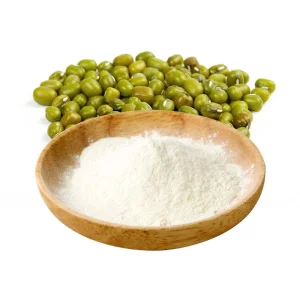
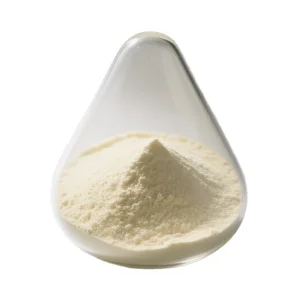
Given its rich nutritional profile and extensive cultivation, manufacturers have found ways to create mung bean protein, which often has a flour-like consistency. Manufacturers add mung bean protein to different foods and products to increase the nutritional content of foods or to enhance specific types of foods, such as replacing meat products.
Mungbean protein is rich in protein and contains many of the essential amino acids that we need to maintain good health. We can also easily digest mung bean protein and isolates, and preliminary studies have shown that consuming mung bean protein can help improve muscle strength.
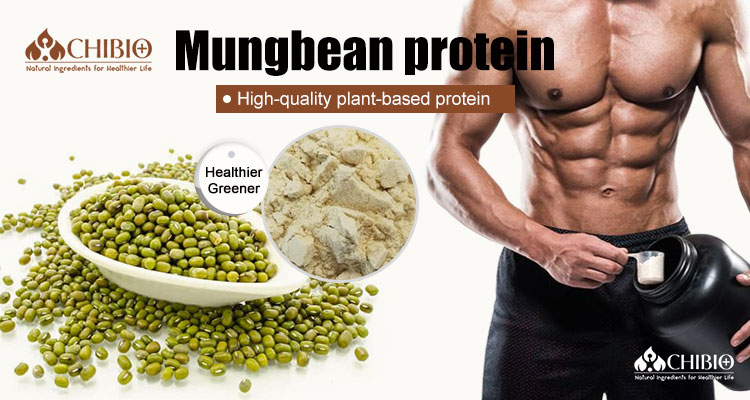
Mung bean is a high protein plant, with a protein content of 25% to 28%, mainly containing globulin, clear protein, alcoholic protein and glutenin, with globulin and clear protein containing the most. The amino acid pattern of clear protein is close to that of the human body, which is a high-quality natural plant protein.
Different varieties of mung beans and extraction methods may lead to different protein contents. A study on the graded extraction of four types of mung bean proteins found that mung beans contain 49.1% clear protein, 23.6% globulin, 19.42% glutenin, and 7.5% alcoholic protein. The globulin content was more than 60%, clear protein 25%, glutenin about 10%, and alcoholic soluble protein was the lowest.
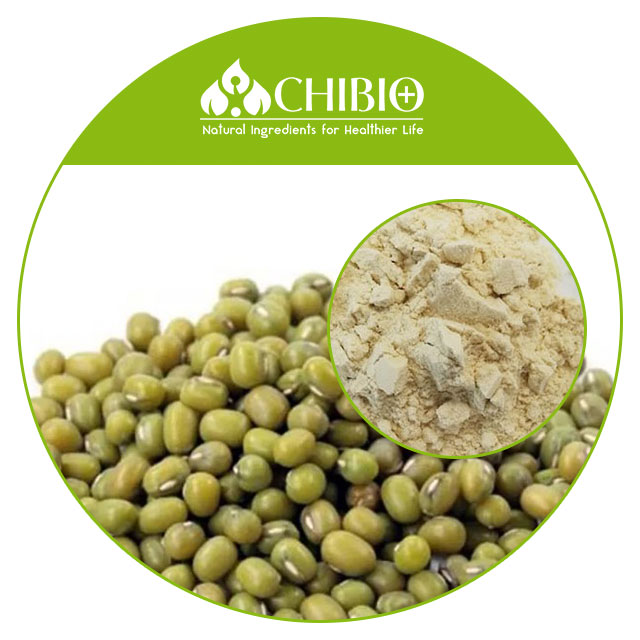
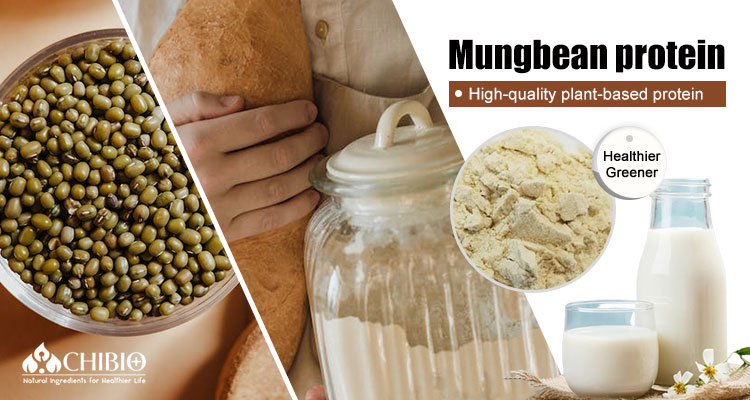
The application range of protein depends on the functional properties of protein; the better its functional properties, the wider the application range. In recent years, a large number of studies have shown that mung bean isolate protein has good solubility and foaming, certain water retention and emulsification, but poor oil absorption.
The solubility of mung bean protein is better than that of soybean protein and coconut protein under the same pH change. Mung bean protein also has better foaming and foam stability.
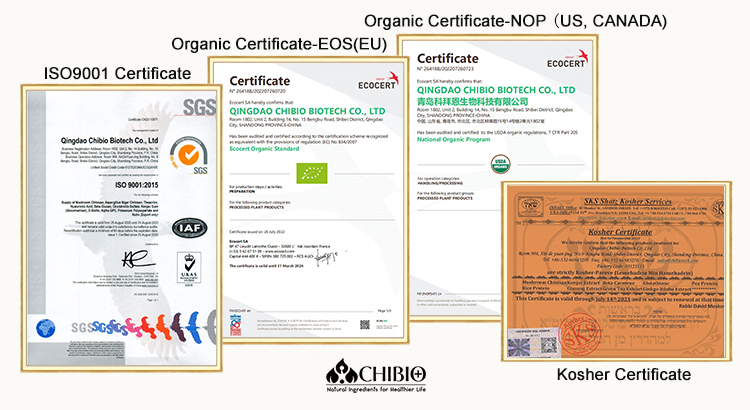
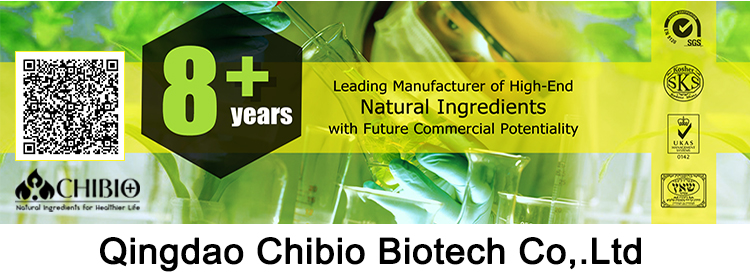
With certificates: ISO9001:2015 & KOSHER, our biotechnology enterprise integrating science, industry, and trade has been focused on R&D and production of high-end natural ingredients with commercial potentiality for over 8 years.
We provide purer and safer raw materials and plant extraction technology for laboratories and technology companies. We provide many natural ingredients with future commercial potential.

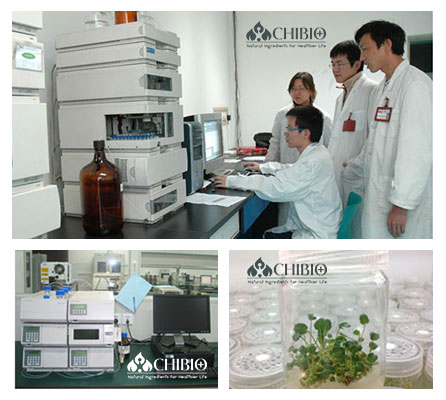
Since establishment, we have been engaged in the manufacturing and trading of well-characterized Non-animal Chitosan (Mushroom, Aspergillus Niger Chitosan), Theacrine (Natural Kucha Tea Leaf Extract & Synthetic), Health support, cosmetics, food raw materials, and other natural ingredients.
Based on years of research & development and sales of food additives, raw materials of cosmetics, wine beverage and health care etc., combined with the application & scientific research results of natural product activity, we are committed to the global health industry, promoting natural ingredients with great commercial potentiality to the global application fields of health care, and realizing industrialization and marketization.
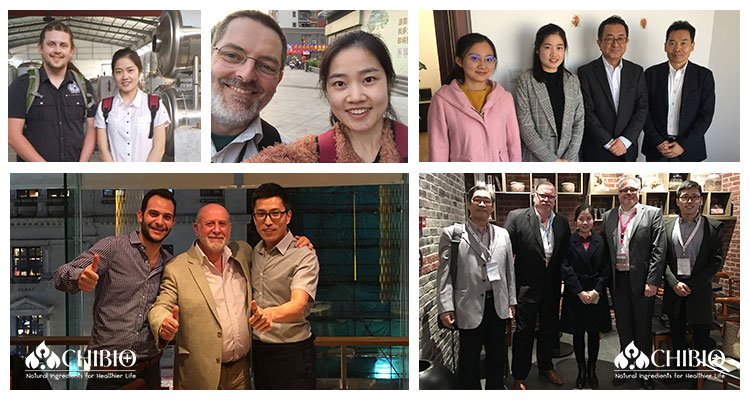
For many years, we have always been one of the most trustworthy suppliers, actively practicing responsible sourcing together with our customers. We are happy to serve the global ingredients community!
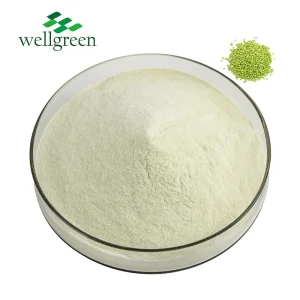
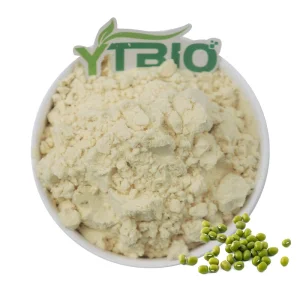
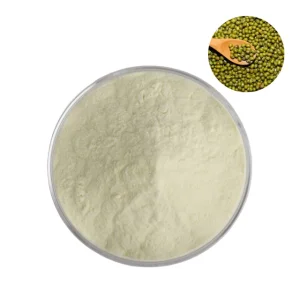
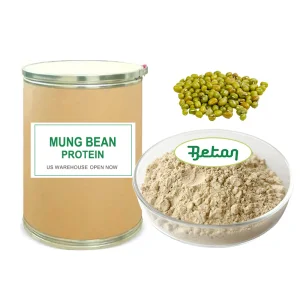
Our organic mung bean protein powder typically contains a protein concentration of 25% to 28%, predominantly composed of globulin and clear protein, making it an excellent high-quality plant-based protein source.
Mung bean protein is highly sustainable because cultivation of mung beans requires no nitrogen fertilizer and demands significantly less water compared to other high-protein vegetables, reducing the overall environmental footprint.
Mung bean protein isolate exhibits outstanding solubility and foaming properties. Under changing pH levels, its solubility outperforms soybean and coconut proteins. It also provides reliable water retention and emulsification features.
Our production facilities and management practices are fully certified under ISO9001:2015 and KOSHER standards, ensuring high-quality, safe, and reliable plant ingredients for global distribution.
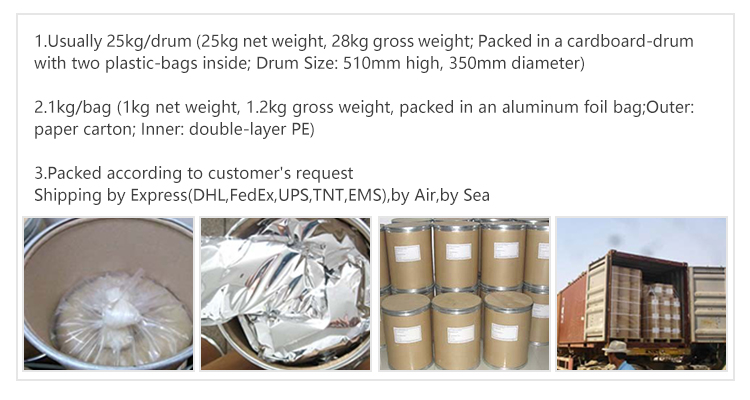
Our standard packaging includes 25kg cardboard drums with double plastic bags inside, and 1kg aluminum foil bags for smaller quantities. We can also customize packaging based on specific customer requirements.
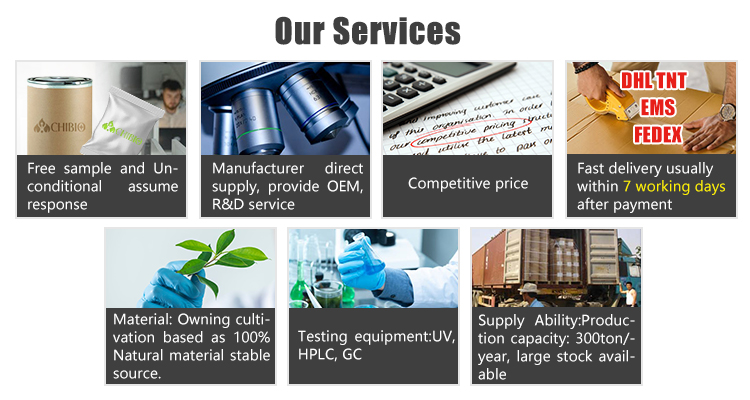
We support multiple delivery options, including Express delivery (DHL, FedEx, UPS, TNT, EMS) for samples or urgent small orders, as well as air freight and sea freight for cost-effective bulk shipping.