Explore our industrial-grade, certified ingredients tailored for clean-label global supply chains
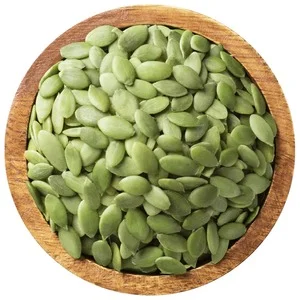
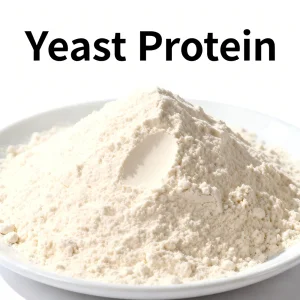
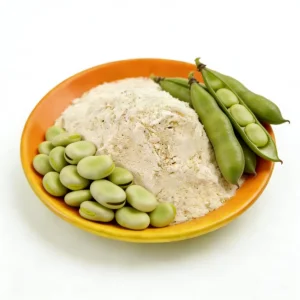
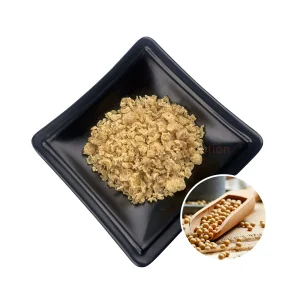
Hangzhou Entry Bio Co., Ltd. is a leading China vegetal protein manufacturer specializing in the research, production, and global supply of high-quality plant protein ingredients and food-grade protein solutions. With a strong commitment to innovation, quality, and sustainability, the company serves customers across the food, beverage, nutrition, and health industries worldwide.
Leveraging advanced manufacturing technologies and strict quality management systems, Hangzhou Entry Bio Co., Ltd. offers a comprehensive portfolio of plant-based ingredients, including soy protein, pea protein, rice protein, textured vegetable protein, and customized protein blends. These products are widely used in meat alternatives, dairy alternatives, sports nutrition, functional foods, bakery products, beverages, and nutritional supplements.
Quality and food safety are at the core of the company's operations. From raw material sourcing to finished product delivery, every production stage is carefully monitored to ensure consistent quality, purity, and performance. The company adheres to international quality standards and continuously invests in product innovation to meet the evolving demands of the global plant-based market.
As a reliable plant protein ingredients supplier, Hangzhou Entry Bio Co., Ltd. also provides professional technical support and customized formulation services, helping customers develop competitive and market-oriented products. Backed by an experienced R&D team and efficient supply chain management, the company is capable of delivering tailored solutions for diverse application requirements.
Dedicated to promoting sustainable nutrition and healthy lifestyles, Hangzhou Entry Bio Co., Ltd. strives to be a trusted global partner for food manufacturers seeking premium vegetal proteins and innovative food-grade protein solutions.
Quantifying our capacity, engineering capability, and export standards
The molecular engineering behind our CE-Certified Soy Protein Isolate (SPI) production
Starting with premium IP Non-GMO soybeans, we employ clean, low-temperature hexane extraction to remove oil while maintaining the native structures of 7S (beta-conglycinin) and 11S (glycinin) globulins. This maintains functional properties like gelling and water absorption.
By adjusting to an acidic pH (4.5), proteins precipitate away from soluble sugars and mineral salts. This is paired with multi-stage membrane filtration to yield a final product with over 90% dry-basis protein content, removing flatulence-causing oligosaccharides.
Through precise hydrolysis using food-grade endo-proteases, we adjust the molecular weight distribution. This enables tailored formulation options, including ultra-low viscosity options for sports beverages and high-gel profiles for alternative meats.
Understanding supply dynamics, market fluctuations, and strategic raw material procurement
The global plant-based protein market has transitioned from a specialized niche to a mature, high-volume industrial sector. As consumer demand for sustainability rises and input costs remain volatile, global buyers require raw material suppliers that offer reliable supply, technical precision, and competitive pricing. Soy Protein Isolate (SPI) remains the primary foundation of the plant-based protein industry due to its complete amino acid profile, high digestibility (PDCAAS = 1.0), and versatile functional properties.
However, sourcing SPI involves managing multiple supply chain variables. Global food manufacturing brands face challenges from shifting regulatory environments (such as the EU Deforestation Regulation - EUDR), fluctuating ocean freight costs, and the need for Non-GMO traceability. In this environment, working with CE-certified exporters who maintain integrated raw material networks and advanced process control is a key strategy for reducing production risk.
By linking raw material processing with final extraction, manufacturers can minimize structural transport delays and manage quality variations caused by differing agricultural inputs. Our export frameworks are designed to address these market needs, providing direct container shipping, bulk dry-bulk logistics, and custom import documentation to ensure smooth delivery across major global markets.
Why China's integrated manufacturing ecosystem provides structural advantages for international food producers
Our location in Hangzhou offers logistics access to Shanghai and Ningbo-Zhoushan ports. This proximity reduces domestic transit times, minimizes inland emissions, and allows for flexible vessel booking schedules to North American, European, and Asia-Pacific destinations.
We source Non-GMO soybeans from dedicated agricultural zones. Through rigorous identity preservation protocols, we ensure that every batch of Soy Protein Isolate remains uncontaminated from planting and harvesting to crushing and final isolation.
Our facilities utilize automated production loops and combined heat and power systems to manage processing energy requirements. This design reduces carbon intensity per ton and helps insulate buyers from sudden energy price spikes.
Rather than providing a single standard product, we collaborate with brand owners to develop customized variations. We adjust key specifications, including water retention, viscosity profiles, dispersion times, and ionic strength, to match customer formulations.
Optimizing soy protein functional characteristics for specific regional and regulatory requirements
How we maintain high food safety standards and traceability across our production pipeline
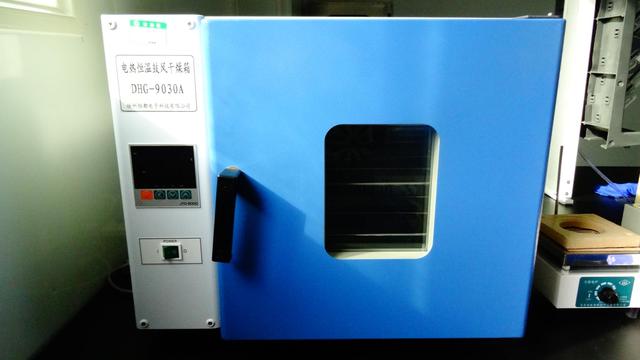
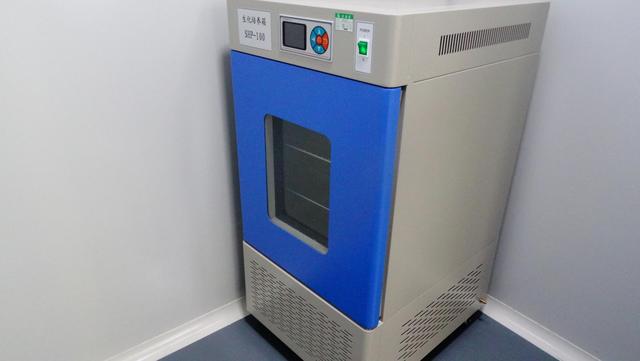
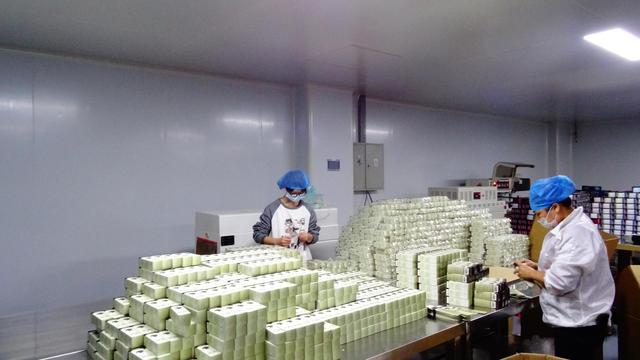
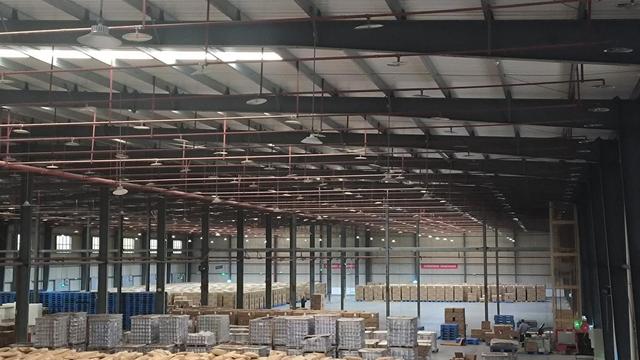
At Hangzhou Entry Bio Co., Ltd., we align our manufacturing with global quality and regulatory standards. Our CE compliance demonstrates that our machinery and process control systems meet European safety, health, and environmental requirements, ensuring consistent manufacturing quality.
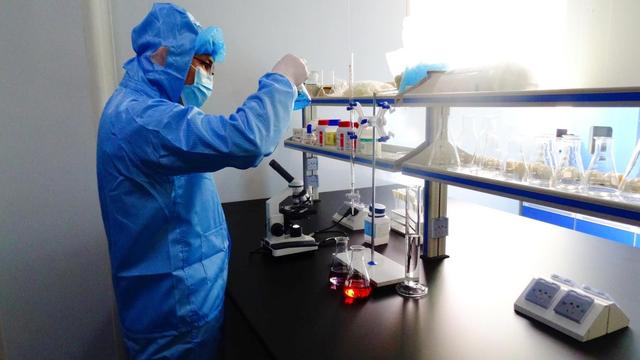
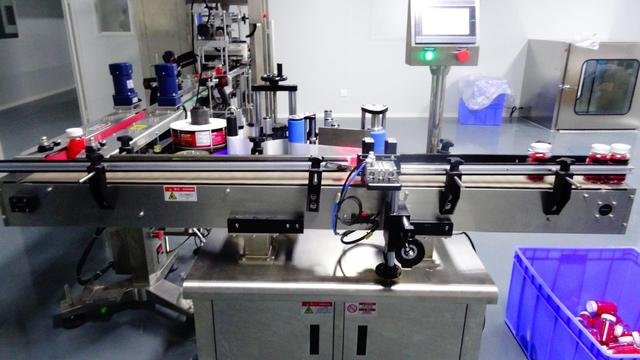
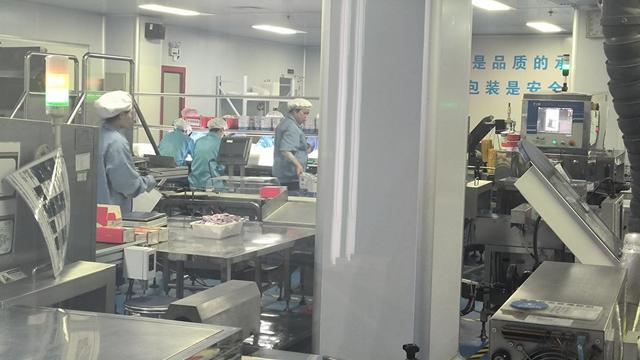
Our facility operates under a HACCP-based safety management system. From receiving raw soybeans through extraction to packing in cleanrooms, every critical control point is monitored. We track pesticide residues, heavy metals, and microbiological indicators to ensure compliance with European Food Safety Authority (EFSA) and US FDA regulations.
Additionally, we hold certifications including ISO 22000, Kosher, Halal, and Non-GMO IP verification. Each shipment is accompanied by a Certificate of Analysis (COA) specifying protein content, moisture levels, ash, mesh size distribution, and microbiological status. This documentation supports straightforward customs clearance and seamless integration into food production processes.
Pioneering the next generation of highly functional, clean-label plant protein isolates
As food science advances, we are looking forward by investing in next-generation plant protein research. Our R&D team is currently developing physical and enzymatic modification methods to improve the solubility of Soy Protein Isolate in acidic drinks. Standard SPI is less soluble around its isoelectric point (pH 4.5); our new formulations aim to provide clear solutions in this pH range, opening up new opportunities for functional and sports beverages.
We are also focused on improving sustainability across our production. We are working to optimize water-recycling loops within our separation process and evaluating agricultural side-stream valorization. These initiatives help reduce the environmental footprint of our proteins and support our customers' Scope 3 carbon reduction targets. By combining molecular research with industrial-scale production, we continue to provide high-performance, clean-label plant proteins for global markets.
Detailed technical and logistics guidance for global B2B procurement professionals
Explore additional high-protein ingredients and processing solutions from our inventory
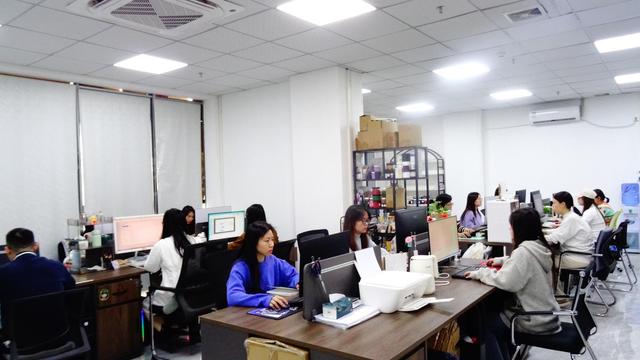
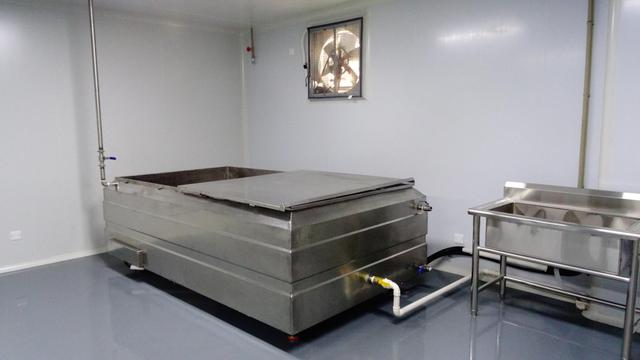
Step inside our manufacturing lines, clean room packaging zones, and testing labs

 Entry Biology