Direct access to our certified raw materials, premium animal-derived concentrates, and advanced bio-active peptide supplements manufactured in high-capacity facilities.
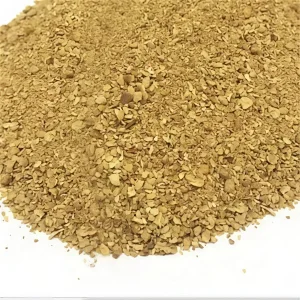
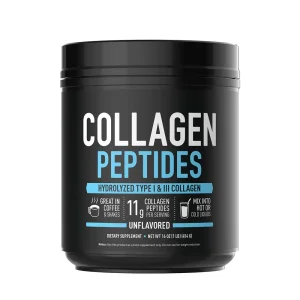
The global landscape for protein raw materials is experiencing a profound paradigm shift. Modern food manufacturers, sports nutrition formulators, and animal feed producers no longer search merely for volume. Today's procurement decisions are driven by sophisticated metrics including the Protein Digestibility-Corrected Amino Acid Score (PDCAAS), allergenicity profiles, and trace-element purity. Enterprise-level buyers demand supply chains that can withstand geopolitical fluctuations while adhering strictly to emerging environmental and social governance (ESG) regulations.
Strategic Insight: The transition from conventional single-source proteins toward diverse, non-allergenic botanical and biological alternatives is the defining trend of the decade. Companies leveraging modern raw material portfolios insulate their product lines from pricing spikes and regulatory crackdowns.
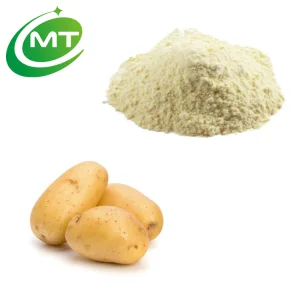
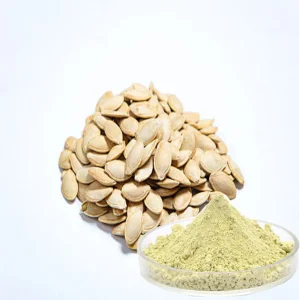
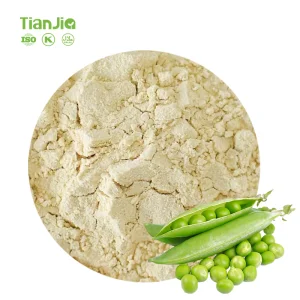
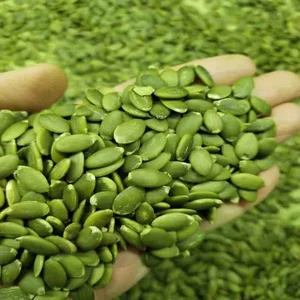
Within this ecosystem, clean-label requirements dictate that plant proteins must be extracted without harsh chemical solvents like hexane. Advanced extraction operations use aqueous separation and enzymatic processes to maintain structural protein integrity. Crucially, the demand for non-GMO validation continues to expand across North America and Europe, requiring manufacturers in China to maintain absolute identity preservation from seed to finished powder. The capacity to secure reliable, bulk supplies of specialty plant-derived proteins—ranging from pea and potato isolates to high-protein sunflower and pumpkin seed powders—has become a core competitive advantage for international distributors.
Functional food development presents continuous formulation challenges. When replacing animal-derived proteins with vegetal alternatives, food scientists commonly encounter issues with bitter off-notes, grittiness, poor solubility, and inadequate water-binding capacity. Resolving these challenges requires highly targeted, macro-level engineering solutions at the factory processing stage.
By implementing precise thermal processing and structural texturizing technologies, advanced factories produce ingredients that mimic the mouthfeel of dairy or meat proteins without resorting to synthetic flavor enhancers. This solves the primary sensory barrier to consumer adoption of plant-based meats and milk alternatives.
Maximizing raw material value is vital for economic sustainability. Processing industrial starch crops (such as potatoes or corn) generates significant secondary streams. By deploying ultrafiltration systems, processors capture highly functional proteins from these streams, creating economic value while lowering the carbon footprint.
Developing soy-free and gluten-free formulations is increasingly necessary. Sourcing alternative crops like peas, pumpkin seeds, and sunflower seeds offers high-performance nutritional matrices without triggering major food allergen labeling requirements, opening up broader access to consumer markets.
The processing of plant materials into high-purity isolates requires sophisticated biochemical engineering. The diagram below illustrates the progressive steps and innovative technological advancements that define modern high-efficiency protein extraction lines.
Mechanical removal of outer hulls reduces polyphenol content, preventing color degradation. Cold-pressing ensures oil recovery occurs without thermal stress, preserving native protein structures and preventing early-stage denaturation.
Targeted use of endopeptidases breaks down large protein chains into high-solubility bioactive peptides. Isoelectric precipitation followed by microfiltration concentrates the protein fraction to reach a minimum purity of 90%.
Subjecting proteins to precise shear forces and temperature controls aligns plant-based protein chains into fibrous networks, accurately replicating the mechanical structure and chewiness of animal muscle tissue.
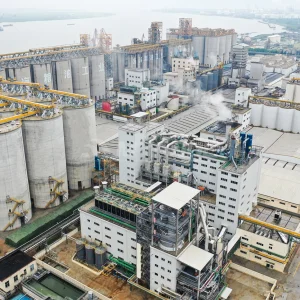
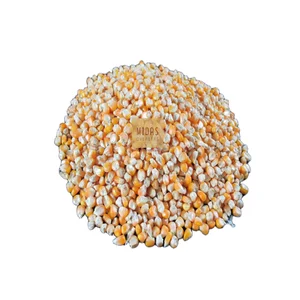
China is globally recognized as the central hub for plant protein manufacturing. This dominance stems from major infrastructure advantages, integrated raw material sourcing, and continuous process innovation. By positioning manufacturing facilities close to agricultural centers (such as the non-GMO yellow corn and soy regions of northeastern China), factories minimize logistics costs while maintaining complete fresh-crop supply security.
Furthermore, Chinese manufacturers lead in the production of functional co-products. The integration of high-throughput dry milling and wet separation lines allows factories to produce high-value starch derivatives alongside protein concentrates. For example, processing corn and potatoes yields both functional binders like maltodextrin and pure protein powders. This dual-yield efficiency reduces manufacturing costs, allowing Chinese suppliers to offer premium-grade ingredients at highly competitive global price points.
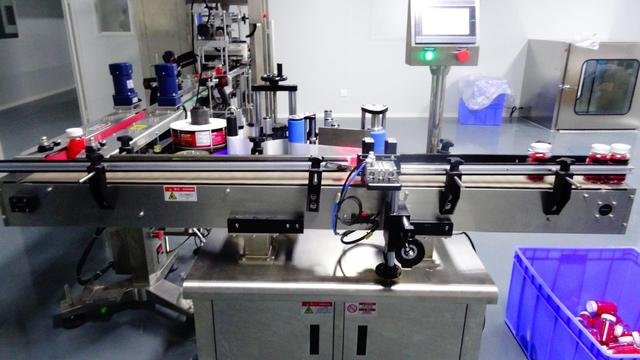
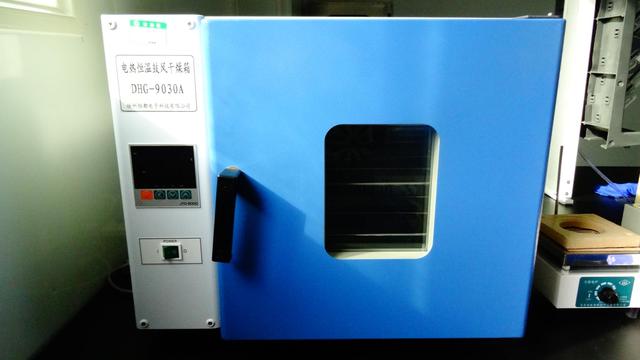
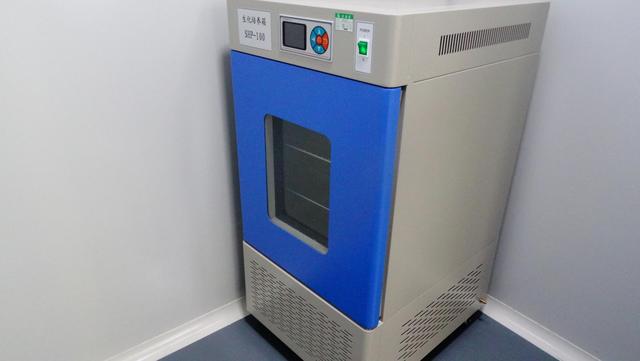
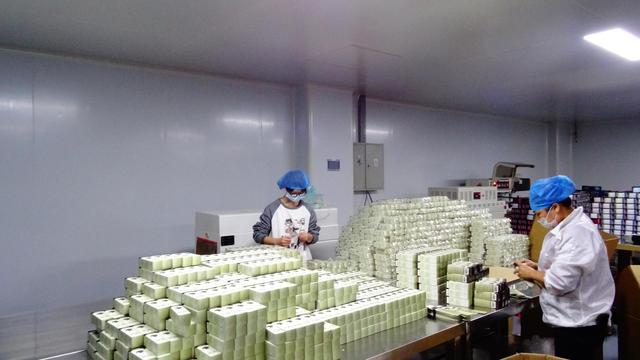
In response to international trade requirements, top-tier factories have shifted toward fully automated processing lines. Utilizing advanced cleanrooms and computerized automation controls, these facilities ensure that final products remain free from external contaminants and heavy metals, meeting the strict standards of global food brands.
For international buyers, navigating regulatory compliance is a critical step in the procurement process. Top exporters maintain strict quality assurance frameworks that comply with international regulations. Key compliance points include:
Products intended for global markets carry verified certifications, including ISO 9001, FSSC 22000, Kosher, Halal, and EU Organic standards. This documentation ensures fast customs clearance and straightforward integration into Western manufacturing chains.
Every shipment undergoes testing for heavy metals, residual solvents, pesticides, and microbial pathogens. Comprehensive certificates of analysis (COA) accompany all batches, guaranteeing full traceability back to the cultivation site.
Hangzhou Entry Bio Co., Ltd. is a leading China vegetal protein manufacturer specializing in the research, production, and global supply of high-quality plant protein ingredients and food-grade protein solutions. With a strong commitment to innovation, quality, and sustainability, the company serves customers across the food, beverage, nutrition, and health industries worldwide.
Leveraging advanced manufacturing technologies and strict quality management systems, Hangzhou Entry Bio Co., Ltd. offers a comprehensive portfolio of plant-based ingredients, including soy protein, pea protein, rice protein, textured vegetable protein, and customized protein blends. These products are widely used in meat alternatives, dairy alternatives, sports nutrition, functional foods, bakery products, beverages, and nutritional supplements.
Quality and food safety are at the core of the company's operations. From raw material sourcing to finished product delivery, every production stage is carefully monitored to ensure consistent quality, purity, and performance. The company adheres to international quality standards and continuously invests in product innovation to meet the evolving demands of the global plant-based market.
As a reliable plant protein ingredients supplier, Hangzhou Entry Bio Co., Ltd. also provides professional technical support and customized formulation services, helping customers develop competitive and market-oriented products. Backed by an experienced R&D team and efficient supply chain management, the company is capable of delivering tailored solutions for diverse application requirements.
Dedicated to promoting sustainable nutrition and healthy lifestyles, Hangzhou Entry Bio Co., Ltd. strives to be a trusted global partner for food manufacturers seeking premium vegetal proteins and innovative food-grade protein solutions.
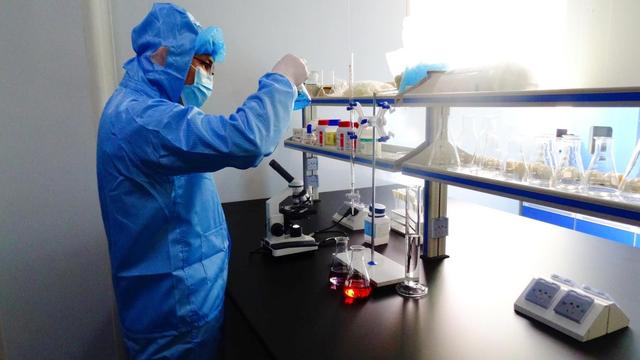

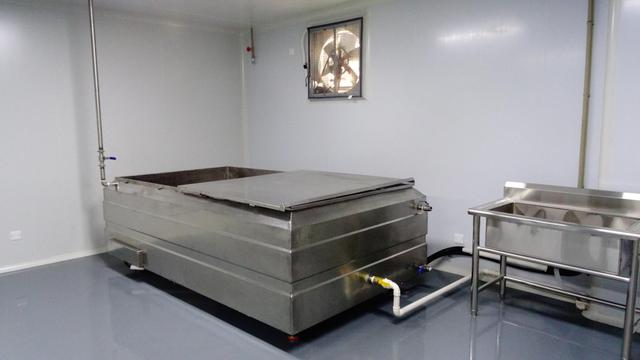
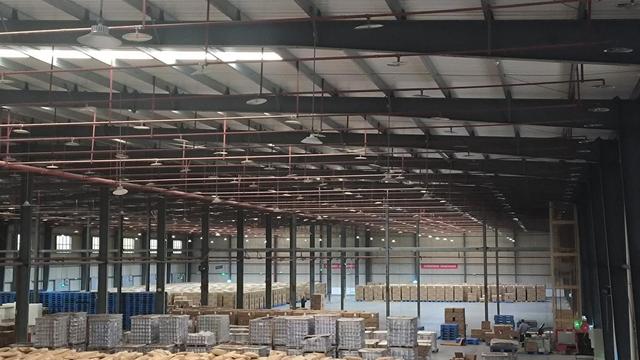


Direct technical insights and processing information to assist in product sourcing and formulation development.
Explore our organic-certified seed proteins, industrial oilseed processing equipment, and specialized isolates for clinical and sports nutrition applications.
 Entry Biology