Explore our industrial-grade, certified vegetal proteins, active amino peptides, and processing equipment. Scientifically engineered for maximum athletic recovery, bio-absorbability, and clean-label formulation.
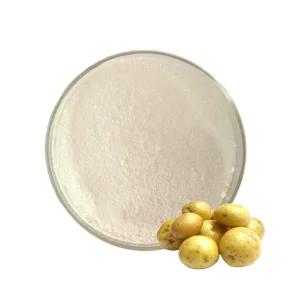
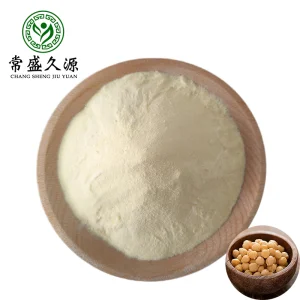
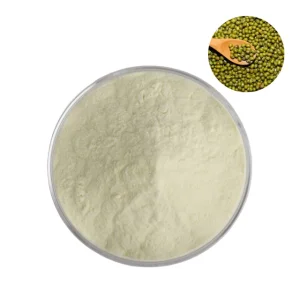
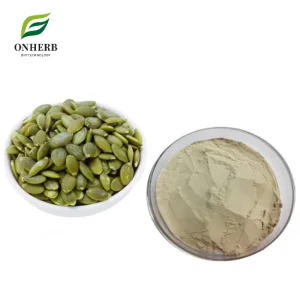
The global sports nutrition landscape is undergoing a structural paradigm shift. Once dominated exclusively by animal-derived whey proteins, the modern market for athletic supplements is rapidly integrating high-performance vegetal alternatives. This transformation is fueled by dual engines: the clinical demand for hypoallergenic, highly digestible proteins and the consumer-led migration toward sustainable, carbon-efficient lifestyles. The intersection of sports physiology and plant-based protein engineering has unlocked new standards in amino acid profiling, absorption kinetics, and bioactive peptide supplementation.
For B2B brands, distributors, and bulk purchasers, securing a resilient supply chain with an advanced processing partner in China is critical. Chinese manufacturers have pioneered low-temperature physical isolation and advanced enzymatic extraction technologies, establishing a global benchmark for vegetal protein purity, solubility, and functional versatility. This whitepaper analyzes how high-performance botanical proteins and active peptides are manufactured, standardized, and scaled for international markets.
Plant-derived athletic protein isolates are projected to achieve a CAGR of 8.4% over the next decade, with soy, pea, and yeast proteins capturing over 45% of the total functional fitness supplement volume.
Protein Concentration Isolate Range
Small Molecule Peptide Purity
Non-GMO and Plant-Sourced
Global Export Destination Nations
Translating raw plants into highly bioavailable athletic supplements requires deep scientific precision. Below is our proprietary engineering journey from botanical raw materials to bioactive, fast-absorbing peptide isolates.
By leveraging exact control over pH thresholds (the isoelectric point), proteins are separated from fiber and starch matrices without structural degradation. This maintains the native configuration of vital amino acids and prevents thermal denaturation, yielding a highly soluble isolate suitable for athletic drink formulations.
Using targeted food-grade enzymes, intact botanical proteins are broken down into small-chain peptides. This process targets specific peptide bonds to optimize the concentration of di- and tri-peptides (molecular weight below 1000 Daltons), matching the body’s intestinal transporter pathways for rapid post-exercise absorption.
Membrane technologies concentrate the active peptide fractions while removing bitter, low-molecular-weight organic acids and inorganic salts. The final step uses gentle, low-temperature spray drying to preserve the bioactive attributes of peptides such as mung bean, pea, and pumpkin seed, ensuring optimal mixability.
Science-Backed Performance Note: Clinical trials show that small-molecule active peptides (e.g., Mung Bean and Pumpkin Seed peptides) bypass traditional digestive barriers, entering the bloodstream up to 40% faster than intact proteins. This triggers rapid muscle protein synthesis (MPS) during the immediate post-workout window.
Integrating plant protein components into consumer products requires specialized formulation setups. Below are the key scenarios where Hangzhou Entry Bio Co., Ltd.'s raw materials provide functional value.
For brands targeting markets like North America and the European Union, avoiding dairy and soy allergens is crucial. Blending organic pea peptides with brown rice protein isolate provides a complete amino acid profile (PDCAAS = 1.0) while maintaining a clean, allergen-free ingredient panel.
Many plant proteins suffer from grittiness and poor solubility in low-pH ready-to-drink formulations. Our enzymatically hydrolyzed pea and mung bean peptides dissolve completely in liquids, remaining stable without sedimentation even during long-term storage.
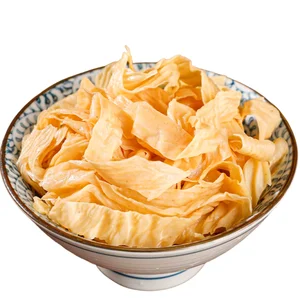
Textured Vegetable Protein (TVP) and Soy Protein Isolates are vital for simulating the bite, texture, and fibrous density of traditional animal meats. Our customizable, non-GMO HALAL soy protein offers high water-binding and oil-emulsifying properties for meat alternatives.
Hangzhou Entry Bio Co., Ltd. is a leading China vegetal protein manufacturer specializing in the research, production, and global supply of high-quality plant protein ingredients and food-grade protein solutions. With a strong commitment to innovation, quality, and sustainability, the company serves customers across the food, beverage, nutrition, and health industries worldwide.
Leveraging advanced manufacturing technologies and strict quality management systems, Hangzhou Entry Bio Co., Ltd. offers a comprehensive portfolio of plant-based ingredients, including soy protein, pea protein, rice protein, textured vegetable protein, and customized protein blends. These products are widely used in meat alternatives, dairy alternatives, sports nutrition, functional foods, bakery products, beverages, and nutritional supplements.
Quality and food safety are at the core of the company's operations. From raw material sourcing to finished product delivery, every production stage is carefully monitored to ensure consistent quality, purity, and performance. The company adheres to international quality standards and continuously invests in product innovation to meet the evolving demands of the global plant-based market.
As a reliable plant protein ingredients supplier, Hangzhou Entry Bio Co., Ltd. also provides professional technical support and customized formulation services, helping customers develop competitive and market-oriented products. Backed by an experienced R&D team and efficient supply chain management, the company is capable of delivering tailored solutions for diverse application requirements.
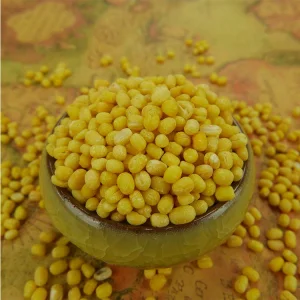
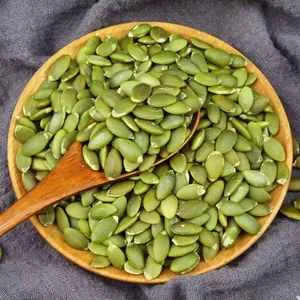
Strict geographical screening of Non-GMO crops, organic pumpkin seeds, select peas, and green mung beans.
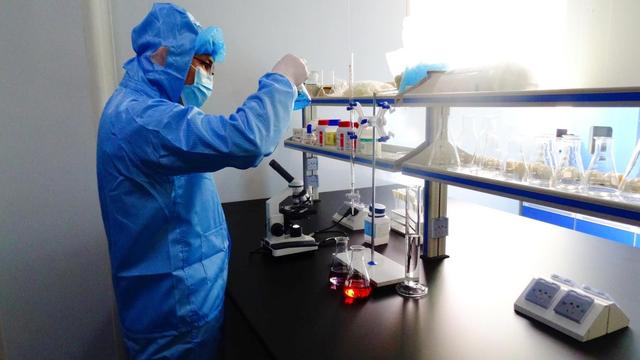
Equipped with molecular analysis laboratories to design targeted amino acid profiles and bio-active peptide chains.
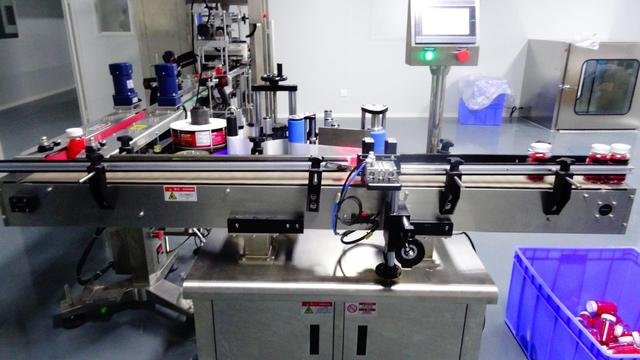
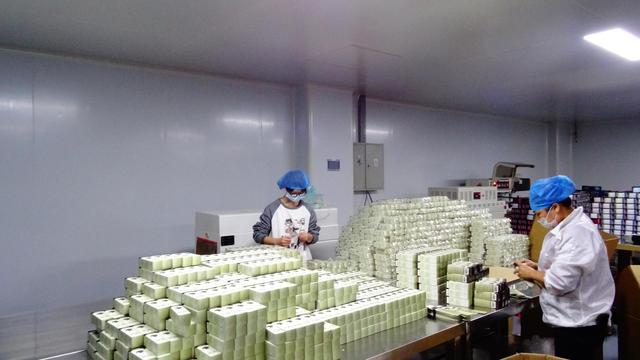
Compliant with international food safety codes, featuring clean room packaging, organic sourcing options, and Halal-certified facilities.
Evaluating an overseas partner for high-capacity protein supplements requires assessing complex manufacturing standards. Review our recommended auditing criteria below.
Exporters must guarantee full traceability from seed to shipping container, ensuring that batch tracking prevents GMO contamination and pesticide residues.
Heavy metal limits (As, Pb, Cd, Hg) and microbial profiles must align with destination safety guidelines (FDA, EFSA, Codex Alimentarius).
High-quality plant isolates require advanced deodorization to eliminate grassy, astringent notes, which helps minimize flavor-masking additive costs.
Stable production volumes, temperature-controlled dry storage, and strong relationships with major shipping ports prevent seasonal supply delays.
Addressing the core technical, regulatory, and logistics questions asked by sports nutrition brands and purchasing officers.
What is the functional difference between plant protein isolates and bioactive peptides?
Protein isolates (such as Chickpea or Rice Protein 80%) contain large, intact polypeptide chains that require enzymatic digestion in the human gastrointestinal tract. Bioactive peptides (like Pea Peptides or Mung Bean Peptides) have undergone controlled enzymatic hydrolysis to reduce molecular weights below 1000 Daltons. These small-chain peptides are absorbed directly via PepT1 transporters in the intestinal wall, entering the bloodstream quickly to aid muscle repair.
How do you guarantee that bulk botanical protein shipments are free from heavy metals?
We follow strict raw material testing and purification protocols. Every batch of raw materials is analyzed for heavy metals (lead, arsenic, cadmium, mercury) before processing. Our facilities utilize multi-stage physical separation, dense-phase filtration, and magnetic metal traps. We also issue a certified Certificate of Analysis (COA) for every export batch, verified by third-party testing labs such as SGS or Eurofins.
Are yeast-based proteins (e.g., Angeo Pro Yeast Protein) sustainable and nutritionally complete?
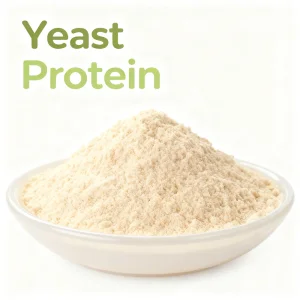
Yes, fermented yeast protein is an excellent vegan alternative. It is highly sustainable, requiring significantly less land, water, and greenhouse gas output than both dairy and traditional row-crop plant proteins. Nutritionally, it contains a complete amino acid profile rich in BCAAs (Branched-Chain Amino Acids), with digestibility scores that match whey and exceed standard plant proteins.
How does Hangzhou Entry Bio manage international customization requests (OEM/ODM)?
We offer end-to-end customization services, including custom protein concentrations, tailored amino acid profiles, customized packaging sizes, and specific physical parameters like mesh size and solubility. Our in-house R&D team can develop custom protein and peptide blends that meet the regulations and taste preferences of your target market.
What certifications do your plant protein exports carry?
Our products hold major global food quality and safety certifications, including ISO 9001, ISO 22000, HACCP, HALAL, Kosher, and Organic (USDA & EU) certifications for select botanicals. This ensures smooth customs clearance and regulatory compliance in North America, Europe, the Middle East, and Asia-Pacific.
Complete B2B catalog of agricultural raw materials, proteins, and processing machinery for worldwide distribution.
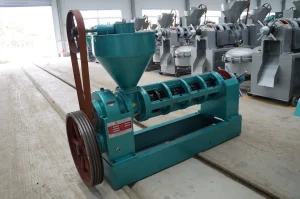
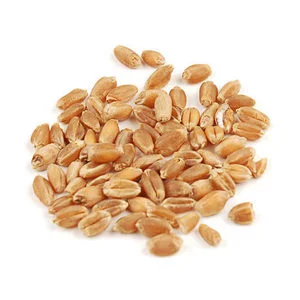
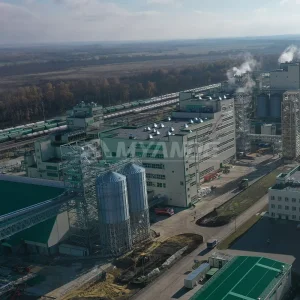
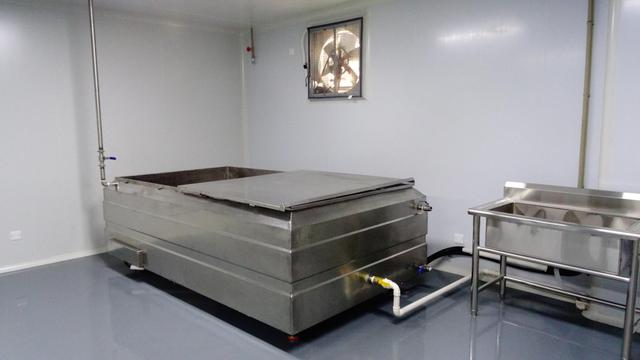
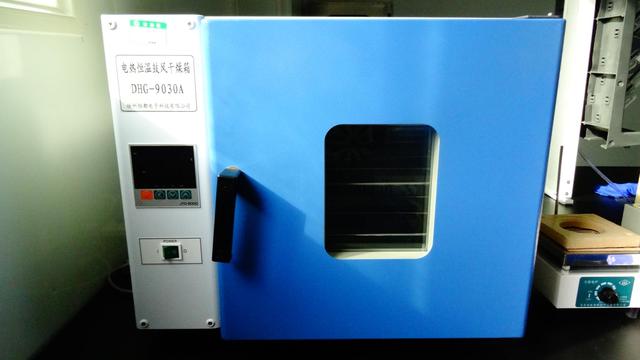
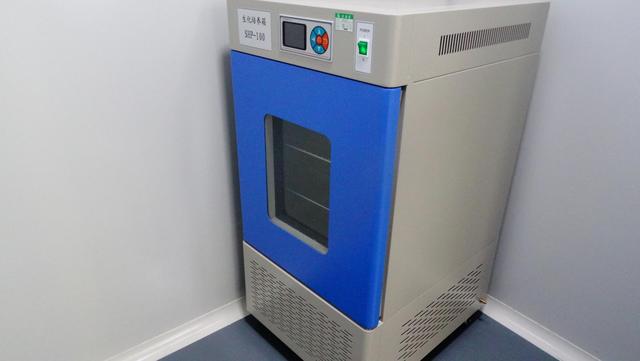
A visual look inside Hangzhou Entry Bio Co., Ltd.'s processing facilities, laboratory testing, and advanced storage solutions.




 Entry Biology