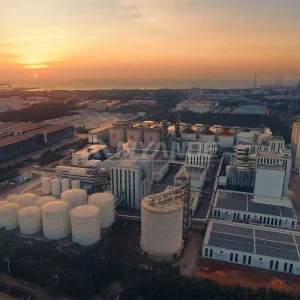
Direct from our state-of-the-art manufacturing plant. High functional properties optimized for global food systems.
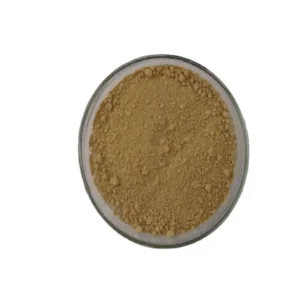
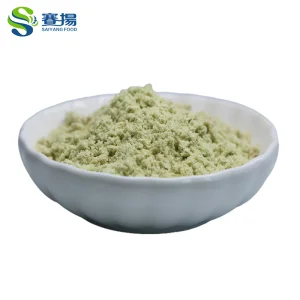
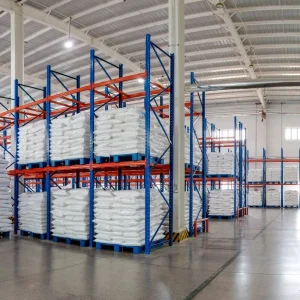
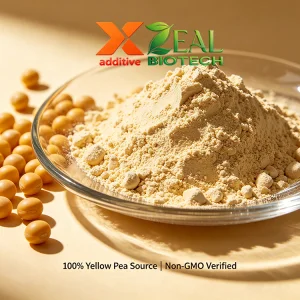
Analyzing key structural shifts in plant-based proteins, hypoallergenic compliance, and technological upgrades.
The global food science sector is transitioning through a paradigm shift. Emerging clean-label requirements, strict allergen legislation, and consumer preferences for clean taste profiles are challenging traditional plant proteins like soy and wheat gluten. In this landscape, Mung Bean Protein Isolate (MBPI) has surfaced as a gold-standard alternative.
Mung beans (Vigna radiata) contain highly functional storage proteins—globulin (8S) and albumin—which exhibit superb thermal gelation, emulsification, and water-binding capacity. The isolate, typically standardized to 80% or 90% protein content on a dry basis, serves as an indispensable functional ingredient in applications requiring neutral tastes, clean sensory properties, and clean labeling. For major manufacturing plants, sourcing raw materials that avoid allergen warnings is not merely a marketing benefit; it is a critical strategy for mitigating legal risks and regulatory hurdles across the European Union, North America, and Asian jurisdictions.
Furthermore, mung bean protein is rich in essential amino acids, especially lysine, leucine, and phenylalanine, providing a balanced nutritional density that fits seamlessly into sports nutrition powders, plant-based dairy substitutes, and medical nutrition formulations. By utilizing non-GMO mung bean crops, processing plants produce a highly refined powder that satisfies the requirements of both the USDA organic framework and European clean-label standards.
Quantifiable data verifying the superior emulsifying, gelling, and amino acid profiles of Mung Bean Protein.
To help formulation scientists make data-driven supply decisions, the following matrix compares the chemical and functional characteristics of premium Mung Bean Protein Isolate against commercial Pea and Soy Protein Isolates.
| Functional Metric | Mung Bean Protein Isolate (MBPI) | Pea Protein Isolate (PPI) | Soy Protein Isolate (SPI) |
|---|---|---|---|
| Protein Content (Dry Basis) | 80% - 90% | 80% - 85% | 90% |
| Allergen Status | Hypoallergenic / Non-Allergenic | Hypoallergenic | Major Allergen (FDA Listed) |
| Emulsifying Capacity (m²/g) | 75.4 (High stability at pH 7.0) | 55.2 | 68.5 |
| Water Holding Capacity (g/g) | 4.5 - 5.2 | 3.8 - 4.2 | 4.0 - 4.5 |
| Gelation Temp Range (°C) | 70°C - 75°C (Forms stable, firm gels) | 80°C - 85°C (Softer gel structure) | 75°C - 80°C |
| Flavour Profile | Neutral, clean, very low beany notes | Slightly earthy, bitter green notes | Characteristic soy/beany aroma |
The molecular weight distribution of mung bean protein isolates reveals a high concentration of the 8S globulin fraction. This specific protein structure is crucial for thermal gelation—enabling manufacturers to formulate plant-based egg and meat alternatives that firm up naturally when cooked, without requiring synthetic texturizers or gums.
A trusted global supplier of high-quality plant proteins, functional ingredients, and tailored formulation solutions.
Hangzhou Entry Bio Co., Ltd. is a leading China vegetal protein manufacturer specializing in the research, production, and global supply of high-quality plant protein ingredients and food-grade protein solutions. With a strong commitment to innovation, quality, and sustainability, the company serves customers across the food, beverage, nutrition, and health industries worldwide.
Leveraging advanced manufacturing technologies and strict quality management systems, Hangzhou Entry Bio Co., Ltd. offers a comprehensive portfolio of plant-based ingredients, including soy protein, pea protein, rice protein, textured vegetable protein, and customized protein blends. These products are widely used in meat alternatives, dairy alternatives, sports nutrition, functional foods, bakery products, beverages, and nutritional supplements.
Quality and food safety are at the core of the company's operations. From raw material sourcing to finished product delivery, every production stage is carefully monitored to ensure consistent quality, purity, and performance. The company adheres to international quality standards and continuously invests in product innovation to meet the evolving demands of the global plant-based market.
As a reliable plant protein ingredients supplier, Hangzhou Entry Bio Co., Ltd. also provides professional technical support and customized formulation services, helping customers develop competitive and market-oriented products. Backed by an experienced R&D team and efficient supply chain management, the company is capable of delivering tailored solutions for diverse application requirements.
Dedicated to promoting sustainable nutrition and healthy lifestyles, Hangzhou Entry Bio Co., Ltd. strives to be a trusted global partner for food manufacturers seeking premium vegetal proteins and innovative food-grade protein solutions.
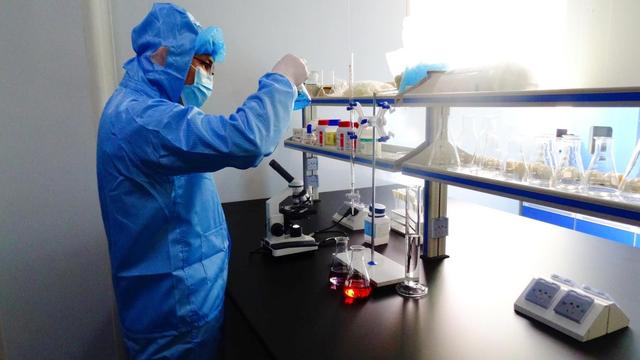

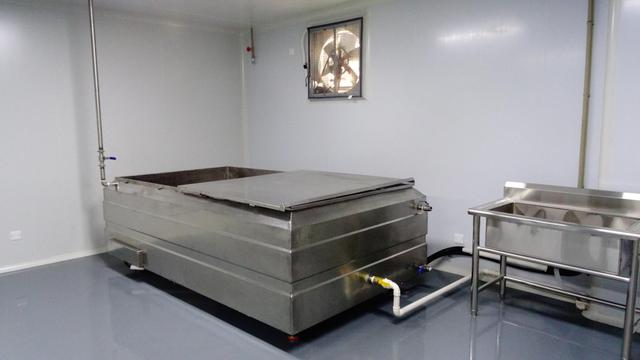
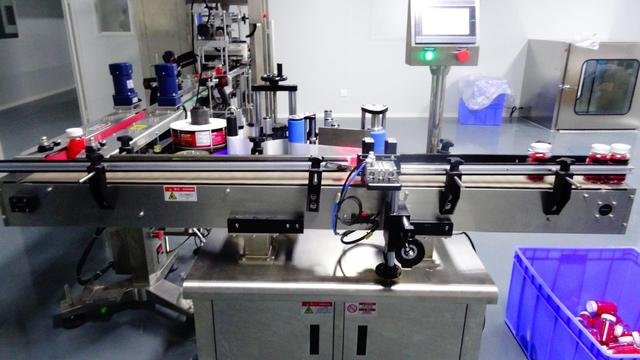
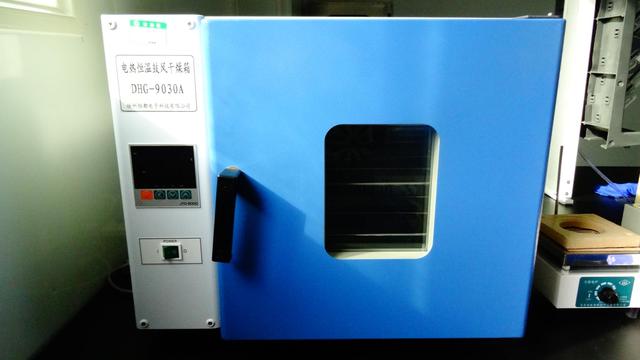
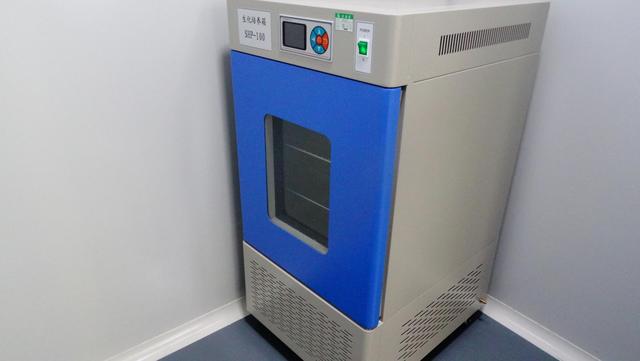
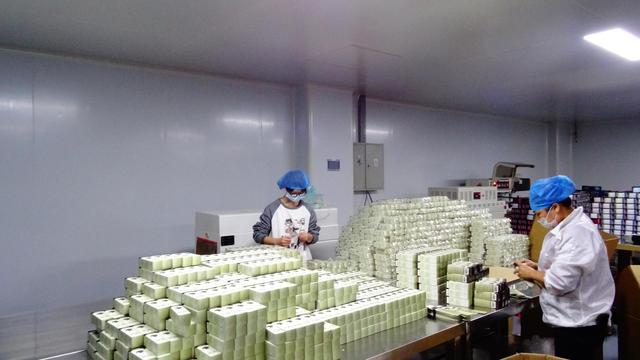
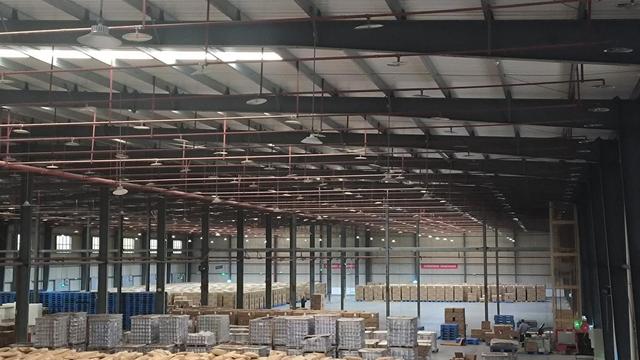


A step-by-step overview of our physical extraction and clean-label purification process.
Our extraction line utilizes a clean, physical process designed to preserve the native structure of the plant protein while eliminating undesirable compounds like phytates and protease inhibitors. This methodology ensures high solubility and excellent nutritional bio-availability.
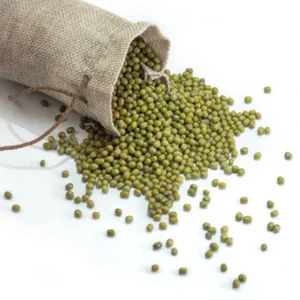
We source premium, non-GMO green mung beans. The beans are mechanically cleaned and de-shelled using high-precision sorting machines to isolate the protein-rich cotyledons from the starch-heavy husks.
The de-hulled mung beans are finely milled and mixed with purified water. The pH is adjusted to dissolve the globulin and albumin fractions, separating the target proteins from insoluble starches and fibers.
The solution is centrifuged to remove insoluble matter. The pH is then carefully adjusted to the isoelectric point of mung bean protein (approx. pH 4.5), causing the protein to precipitate out as a clean curd.
The concentrated curd undergoes an enzymatic treatment to eliminate volatile flavor compounds ("beany" taste). It is then pasteurized and spray-dried in a GMP-certified drying tower to yield a fine, highly soluble powder.
Our facility runs on a water-recycling closed loop. The byproducts of our extraction, primarily mung bean starch and hulls, are repurposed as feed ingredients and biomass substrates, resulting in a sustainable, low-impact manufacturing process.
How global brands leverage the functional benefits of Mung Bean Protein Isolate across diverse product categories.
Because the globulin fraction in mung bean protein coagulates at temperatures between 70°C and 75°C, it serves as an exceptional base for liquid egg substitutes. It mimics the coagulation, texture, and mouthfeel of real scrambled eggs, allowing clean-label brands to formulate products without egg allergens or cholesterol.
With a water-holding capacity exceeding 4.5g/g, our Mung Bean Protein Isolate blends smoothly with pea and soy proteins in high-moisture extrusion (HME) processes. This helps improve the fiber orientation and juiciness of plant-based burgers, sausages, and seafood products, reducing cook shrinkage and improving texture retention.
Mung bean protein exhibits excellent solubility across a wide range of pH levels. This property makes it ideal for RTD (Ready-to-Drink) protein shakes, powder mixes, and fortified functional beverages. It delivers a clean, smooth texture with minimal sandiness, reducing the need for masking agents and extra sweeteners.
Mung bean protein isolate can replace egg whites and whey in cookies, cakes, and bars. It provides excellent foam stability and emulsification, resulting in consistent aerated structures, uniform crumb texture, and extended shelf life for gluten-free baked goods.
Ensuring supply chain reliability, traceability, and global regulatory compliance.
As a leading supplier of plant protein ingredients, Hangzhou Entry Bio Co., Ltd. maintains robust international supply chains. We recognize that industrial buyers require consistent quality, stable shipping schedules, and comprehensive regulatory documentation.
Each shipment of our Mung Bean Protein Isolate is accompanied by a comprehensive Certificate of Analysis (CoA) detailing the batch's protein content, moisture levels, heavy metal limits, and microbiological profile. We provide flexible packaging configurations—ranging from standard 25kg multi-wall paper bags with PE inner liners to bulk super sacks—designed to preserve product quality during long-distance shipping and storage.
Technical details and practical answers for procurement teams and food scientists.
We offer Mung Bean Protein Isolate standardized to a minimum of 80% and 85% protein content on a dry basis. Upon request, we can also produce a premium 90% isolate for sensitive formulas requiring high purity and minimal taste interference.
Our advanced purification process includes mechanical de-hulling to remove bitter compounds from the seed coats, followed by a gentle enzymatic treatment. This effectively reduces volatile aldehydes and alcohols, yielding a clean, neutral powder that requires less masking agents in your final recipe.
Yes. We source non-GMO raw materials and process them using physical water extraction without harsh chemical solvents like hexane. We offer options that comply with USDA Organic, European Union regulations, Kosher, and Halal dietary standards.
Our standard MOQ for wholesale exports is 1,000 kg (1 metric ton). We can provide smaller validation samples (e.g., 1kg to 5kg) for lab trials and pilot production runs upon request.
The high concentration of the 8S globulin protein fraction in mung beans exhibits excellent gel strength and thermal gelling capabilities. When heated to 70°C–75°C, the protein forms a stable gel network that mimics the cooking properties of egg whites.
Explore our broader range of functional food ingredients, starch derivatives, and plant-based protein powders.
 Entry Biology