Explore our core selection of non-GMO, organic, and clean-label vegetarian proteins customized for global distribution.
Uncovering the macroeconomic shifts driving the transition toward scalable plant-based protein alternatives.
The global dietary matrix is undergoing an unprecedented transition. Driven by structural shifts in consumer demographics, climate commitments, and clinical insights into metabolic health, the demand for plant-based macromolecules has transitioned from niche vegetarian demographics to mass-market industrial scale. In this context, OEM/ODM vegetarian protein exporters serve as vital infrastructure partners, translating raw agricultural biomass into clean-label, functional proteins.
According to recent market intelligence reports, the global plant protein market is expected to surpass $32 billion by 2030, exhibiting a compound annual growth rate (CAGR) of over 9.5%. This growth is not merely quantitative but qualitative. Industrial applications require high-purity protein isolates and concentrates that exhibit specific physical-chemical properties: thermal stability, emulsification capacity, oil-binding indices, and organoleptic neutrality.
To successfully compete in regional markets such as the European Union and North America, exporters must navigate stringent regulatory landscapes. Clean-label mandates, non-GMO status, allergen declarations, and carbon footprint tracking are now mandatory criteria. Brands no longer seek simple commodity ingredients; they require structured co-development partners capable of delivering customized physical configurations that streamline high-speed manufacturing lines.
Navigating FDA, EFSA, Halal, Kosher, and USDA Organic frameworks to deliver globally validated ingredients.
Overcoming supply volatility through contracted non-GMO raw materials and decentralized processing nodes.
Utilizing physical deodorization and enzymology to minimize off-flavors (such as grassy or beany tones) without additives.
Protein Concentration (Isolates)
Exporting Countries & Regions
Allergen-Controlled Facilities
Chemical Hexane Solvents
For decades, industrial plant protein isolation relied on chemical precipitation using acid/base adjustments and chemical solvents. As a technology-driven OEM/ODM provider, Hangzhou Entry Bio Co., Ltd. has prioritized physical separation and enzymatic modification pathways to safeguard the native structure of plant polypeptides.
By utilizing low-temperature, mechanical-based aqueous extraction alongside advanced membrane ultra-filtration, we maintain the functional properties of protein chains. To further optimize digestibility and reduce allergens, we employ targeted enzymatic hydrolysis. This breaks down macro-proteins into bioavailable peptides, enhancing solubility in low-pH drinks while keeping a clean label.
Selecting the optimal protein substrate for specific product formulations.
A structured approach to transforming raw protein substrates into market-ready consumer formulas.
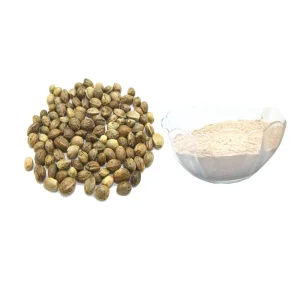
Adjusting amino acid profiles to achieve target PDCAAS scores. Developing multi-source blends (e.g., Pea + Rice + Hemp) to deliver complete amino acid coverage equivalent to whey protein.
Engineering protein particle sizes (mesh size adjustments) to fine-tune mouthfeel. Managing bulk density to optimize packaging volumes and prevent clumping during mixing.
Providing bulk options in vacuum-sealed food-grade bags, drums, and super-sacks, alongside retail-ready packaging like stand-up pouches and single-serve sticks.
Whether you require a low-viscosity, thermally stable isolate for high-acid sports drinks, or a textured vegetable protein (TVP) capable of maintaining structural integrity in low-shear meat alternative lines, our scientific team is equipped to optimize product specifications.
A trusted global supplier of clean-label vegetal proteins and functional food ingredients.
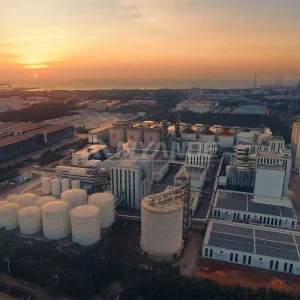
Hangzhou Entry Bio Co., Ltd. is a leading China vegetal protein manufacturer specializing in the research, production, and global supply of high-quality plant protein ingredients and food-grade protein solutions. With a strong commitment to innovation, quality, and sustainability, the company serves customers across the food, beverage, nutrition, and health industries worldwide.
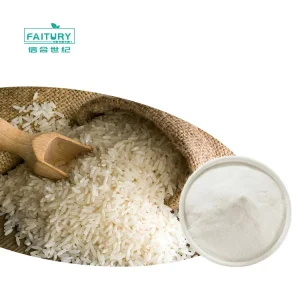
Leveraging advanced manufacturing technologies and strict quality management systems, Hangzhou Entry Bio Co., Ltd. offers a comprehensive portfolio of plant-based ingredients, including soy protein, pea protein, rice protein, textured vegetable protein, and customized protein blends. These products are widely used in meat alternatives, dairy alternatives, sports nutrition, functional foods, bakery products, beverages, and nutritional supplements.
Quality and food safety are at the core of the company's operations. From raw material sourcing to finished product delivery, every production stage is carefully monitored to ensure consistent quality, purity, and performance. The company adheres to international quality standards and continuously invests in product innovation to meet the evolving demands of the global plant-based market.
As a reliable plant protein ingredients supplier, Hangzhou Entry Bio Co., Ltd. also provides professional technical support and customized formulation services, helping customers develop competitive and market-oriented products. Backed by an experienced R&D team and efficient supply chain management, the company is capable of delivering tailored solutions for diverse application requirements. Dedicated to promoting sustainable nutrition and healthy lifestyles, Hangzhou Entry Bio Co., Ltd. strives to be a trusted global partner for food manufacturers seeking premium vegetal proteins and innovative food-grade protein solutions.

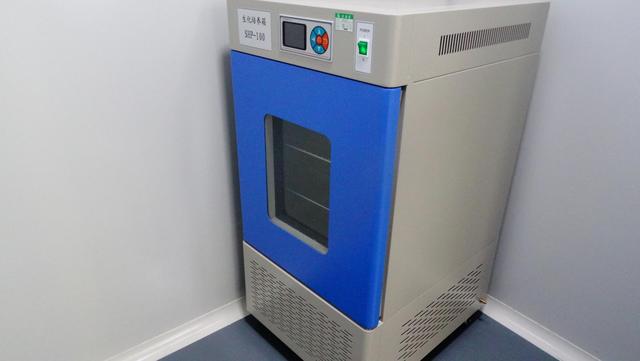
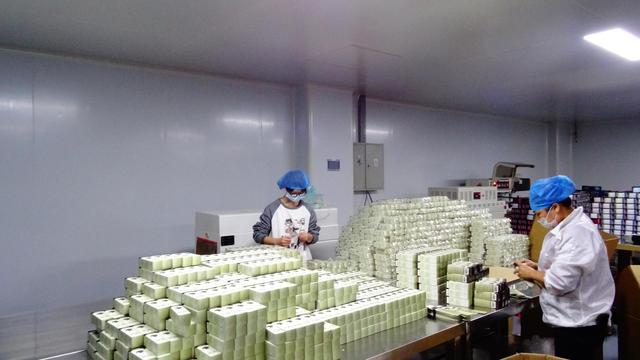
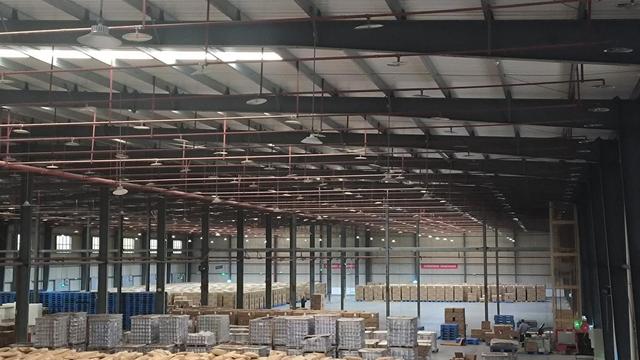


Addressing the core technical questions asked by global procurement teams and plant-based food developers.
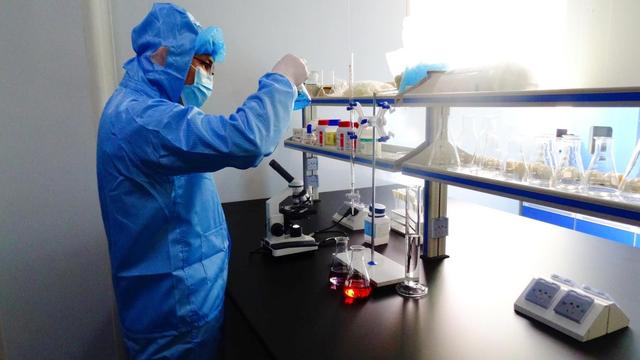
We source raw materials from strictly audited, certified organic farming cooperatives. Every batch of incoming raw material undergoes validation testing via LC-MS/MS and ICP-MS. Our processing facilities utilize advanced multi-stage physical filtration and purification loops to ensure pesticide residues, heavy metals (Lead, Cadmium, Arsenic, Mercury), and microbiological counts fall well below European Food Safety Authority (EFSA) and US FDA limits.
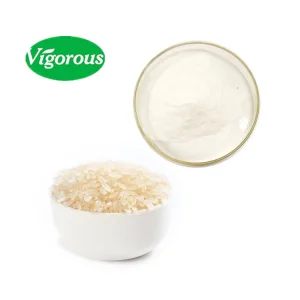
Standard rice protein isolates exhibit limited water solubility due to their molecular weight and hydrophobic structure. Hydrolyzed rice protein undergoes controlled enzymatic cleavage, reducing the protein chain length to functional peptides. This process significantly improves solubility, stability, and digestibility while maintaining a low viscosity. It is particularly suited for high-protein liquid beverages, meal replacement shakes, and infant nutrition.
Yes. Through our ODM services, we formulate customized plant-based protein blends. By combining complementary profiles, such as pea protein (which is high in lysine but lower in methionine) and rice protein (which is rich in methionine), we can achieve a complete amino acid profile with a PDCAAS of 1.0, matching the protein quality of animal dairy proteins like whey.
Our Soy Protein Isolate 90% is designed with a high emulsion rating. The extraction process exposes the hydrophilic and hydrophobic domains of the protein, enabling it to form a stable film around fat droplets. This prevents syneresis, settling, and separation in high-temperature pasteurized or UHT-sterilized milk alternatives like oat, soy, and coconut milk blends.
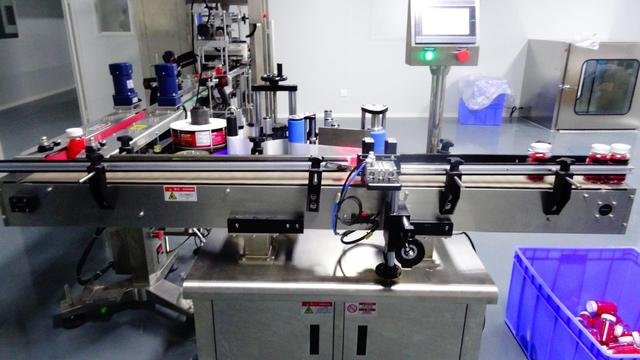
Our typical lead time for standard bulk protein powders is 15-20 days from order confirmation to export port dispatch. Standard packaging options include 20kg or 25kg multi-layer kraft paper bags with inner PE liners, vacuum-packed drums, and 500kg or 1000kg super-sacks. Custom packaging and labeling are available upon request to match your warehousing and production setup.
Browse our functional extracts, specialized proteins, and agricultural ingredients supporting global feed and industrial applications.
 Entry Biology