Scientifically processed, non-GMO vegetal protein derivatives and functional starches designed to elevate nutrient profiles and formulation stability in global food systems.
As global consumer dietary habits shift decisively towards active wellness, functional longevity, and biological sustainability, the requirements for high-purity protein fractions have entered an era of rapid technological transformation.
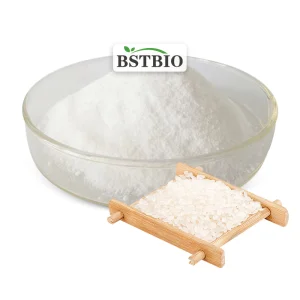
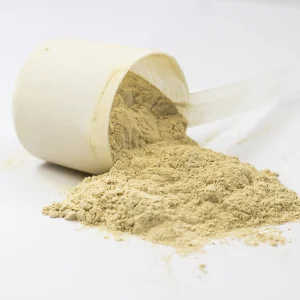
Traditional dairy-derived proteins (such as whey and casein isolates) face persistent supply volatility and rising input costs, compounded by consumer allergen sensitivities. Plant-based solutions—specifically derived from yellow field peas, non-GMO soybeans, fava beans, and emerging organic rice proteins—are now the primary drivers of growth in the food, beverage, and performance nutrition sectors. Manufacturers are demanding higher gelation properties, low viscosity, and optimized amino acid profiles to support meat analogues and clean-label snacks.
China remains the epicentre of vegetal protein processing and raw material refinement. Advanced infrastructure in agricultural hubs enables efficient wet-milling, spray-drying, and membrane filtration operations. The optimization of secondary co-products (such as starch and eco-fibers) allows top-tier manufacturers to offer highly competitive pricing structures globally. The alignment of Chinese manufacturing facilities with international certifications (FSSC 22000, USDA Organic, BRC, Kosher, Halal) ensures reliable raw material pipelines for multinational brand owners.
Advanced processing technologies convert raw grains and pulses into highly functionalized protein powders. We optimize molecular structures to maximize nutritional efficiency and organoleptic properties.
Dry and wet milling protocols isolate starches from the protein fractions of non-GMO crops, ensuring clean-label botanical streams.
Alkaline extraction combined with physical separation methods concentrates target protein fractions up to 90% purity.
Controlled enzymatic hydrolysis breaks down long peptide chains, generating low-molecular-weight proteins for improved solubility.
Strictly controlled drying profiles protect the functional state of proteins, yielding highly soluble and free-flowing powders.
By applying specialized food-grade endopeptidases and exopeptidases, we cleave allergen-associated peptide sequences in wheat and oat fractions. This increases the Degree of Hydrolysis (DH) to 8-15%, vastly improving water solubility, reducing bitterness, and retaining natural bio-active peptides beneficial for recovery formulas.
Our membrane filtration systems utilize cross-flow microfiltration (CFM) and ultrafiltration loops. This physical, chemical-free concentration method preserves the native structure of proteins, preventing thermal denaturation and retaining high concentrations of branched-chain amino acids (BCAAs).
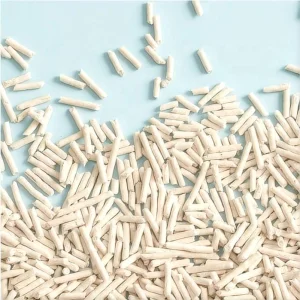
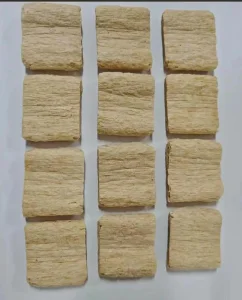
For plant-based meat structures, twinscrew extrusion technology configures Textured Vegetable Protein (TVP). Aligning temperature, shear rate, and moisture profiles enables us to mimic animal muscle tissue textures, offering high water-binding and fat-emulsification properties.
Hangzhou Entry Bio Co., Ltd. is a leading China vegetal protein manufacturer specializing in the research, production, and global supply of high-quality plant protein ingredients and food-grade protein solutions. With a strong commitment to innovation, quality, and sustainability, the company serves customers across the food, beverage, nutrition, and health industries worldwide.
Leveraging advanced manufacturing technologies and strict quality management systems, Hangzhou Entry Bio Co., Ltd. offers a comprehensive portfolio of plant-based ingredients, including soy protein, pea protein, rice protein, textured vegetable protein, and customized protein blends. These products are widely used in meat alternatives, dairy alternatives, sports nutrition, functional foods, bakery products, beverages, and nutritional supplements.
Quality and food safety are at the core of the company's operations. From raw material sourcing to finished product delivery, every production stage is carefully monitored to ensure consistent quality, purity, and performance. The company adheres to international quality standards and continuously invests in product innovation to meet the evolving demands of the global plant-based market.
As a reliable plant protein ingredients supplier, Hangzhou Entry Bio Co., Ltd. also provides professional technical support and customized formulation services, helping customers develop competitive and market-oriented products. Backed by an experienced R&D team and efficient supply chain management, the company is capable of delivering tailored solutions for diverse application requirements.
Dedicated to promoting sustainable nutrition and healthy lifestyles, Hangzhou Entry Bio Co., Ltd. strives to be a trusted global partner for food manufacturers seeking premium vegetal proteins and innovative food-grade protein solutions.
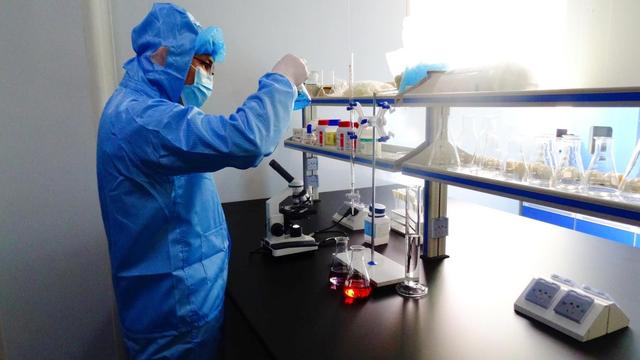

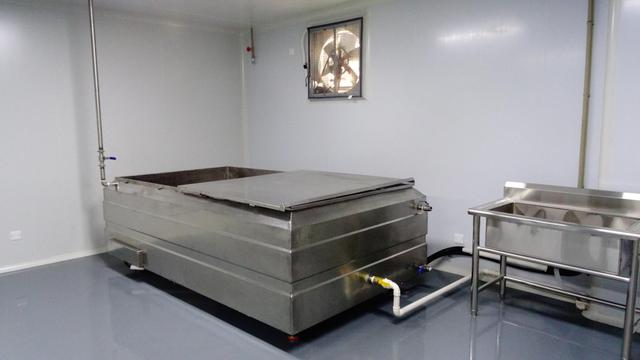
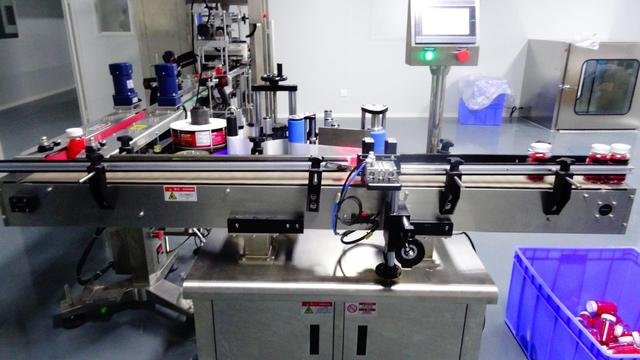
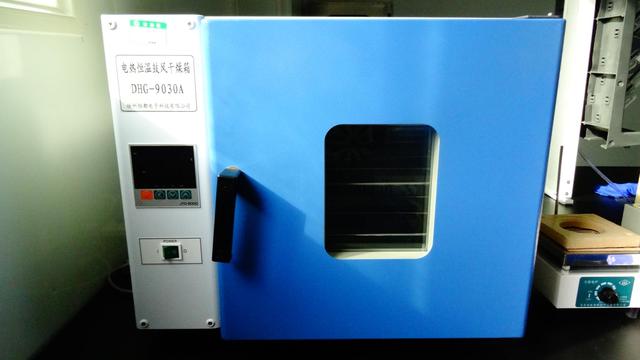
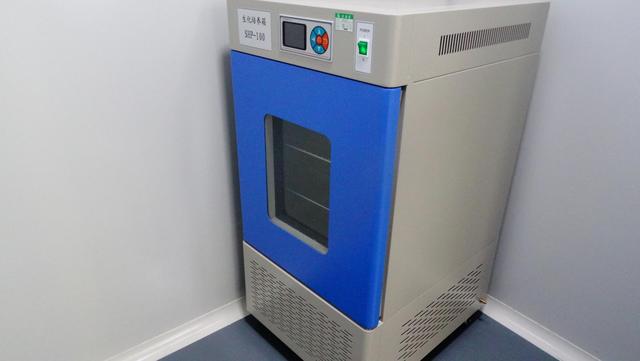
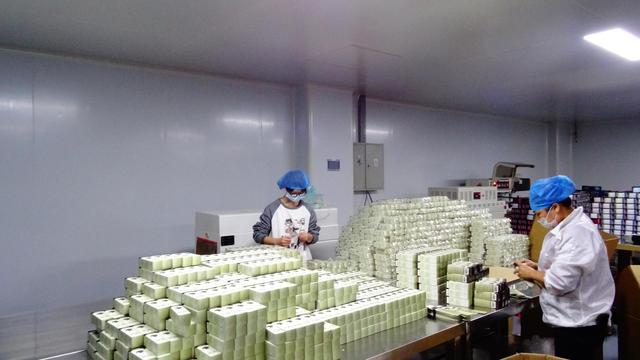
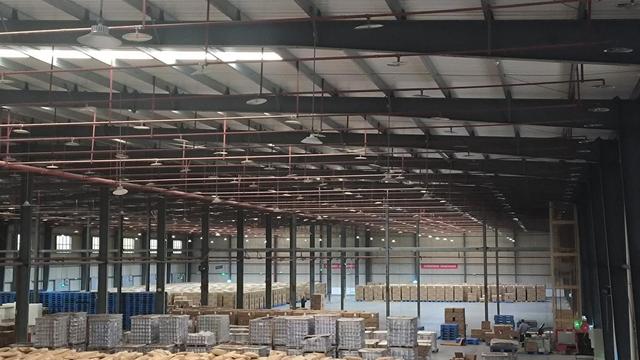


From European clean-label baked goods to sports nutrition formulations in North America, our vegetal protein products adapt to specific consumer requirements and regional regulations.
Sports nutrition calls for high solubility and optimal amino acid profiles. The combination of Pea and Rice Protein Isolates provides a complete amino acid profile rich in leucine, isoleucine, and valine, offering an alternative to dairy-derived whey proteins in post-workout powders.
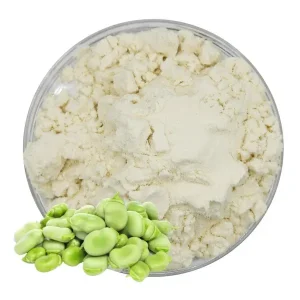
Regulatory frameworks in Europe prioritize clean-label and non-GMO certification. Our organic fava bean and hydrolyzed wheat proteins function as structural binders in baking, enhancing dough hydration, improving crumb structures, and extending freshness.
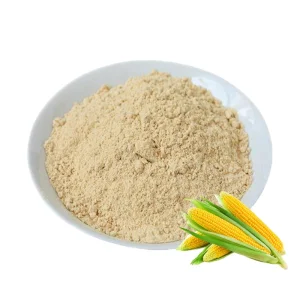
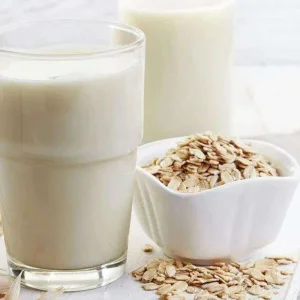
Ready-to-eat products in the Asia-Pacific region focus on texture and digestibility. Incorporating hydrolyzed oat and corn peptides into snacks delivers nutritional benefits without affecting flavor or texture, supporting modern on-the-go lifestyle requirements.
Addressing long-term formulation challenges in plant-based products by developing functional plant proteins that deliver performance, taste, and sensory appeal.
A primary challenge in formulating with legume proteins (such as pea and fava bean) is managing the presence of volatile compounds like hexanal, which produce typical "beany" notes. Through advanced thermal treatment, vacuum deodorization, and precision fermentation, we reduce these compounds. This enables high-dose protein integration into functional foods without requiring artificial masking agents.
Developing high-protein Ready-To-Drink (RTD) beverages often leads to high viscosity and chalkiness. By utilizing enzymatic hydrolysis to partially cleave protein structures, we lower overall viscosity and improve stability in liquid formats. This approach maintains high protein concentrations while ensuring a clean mouthfeel.
High-protein bars tend to harden over time due to slow moisture migration and protein-protein interactions. To address this, we formulate customized protein blends featuring hydrolyzed proteins with varying absorption properties. This slows hardening and maintains a soft, cohesive texture throughout shelf life.
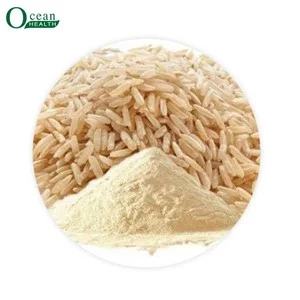
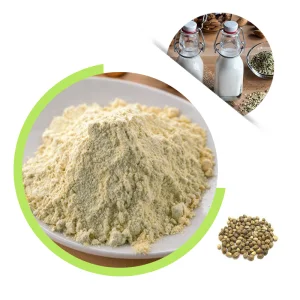
With increasing consumer demand for soy-free and gluten-free formulations, fava bean, organic rice, and hemp seed proteins have become reliable alternatives. Offering similar emulsifying and binding properties, these allergen-friendly proteins allow brands to meet clean-label demands while maintaining nutritional value.
Key technical answers for formulation specialists and food scientists regarding vegetal proteins and processing requirements.
Additional raw materials and processed vegetal proteins supporting clean label claims, sports nutrition, and modern functional food processing.
 Entry Biology