Entry Biology
1 / 5
Oilseed Pretreatment Line
We are always designing and manufacturing vegetable oil pre-treatment and pressing line based on characteristics of different vegetable oils as well as customers' requirements. In this way, we are able to ensure optimum conditions of the oil obtained by enhancing oil yield, improving protein content and oil quality.
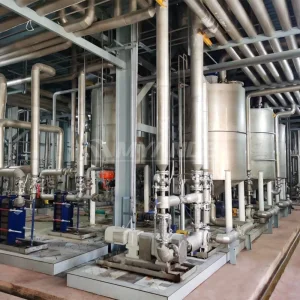
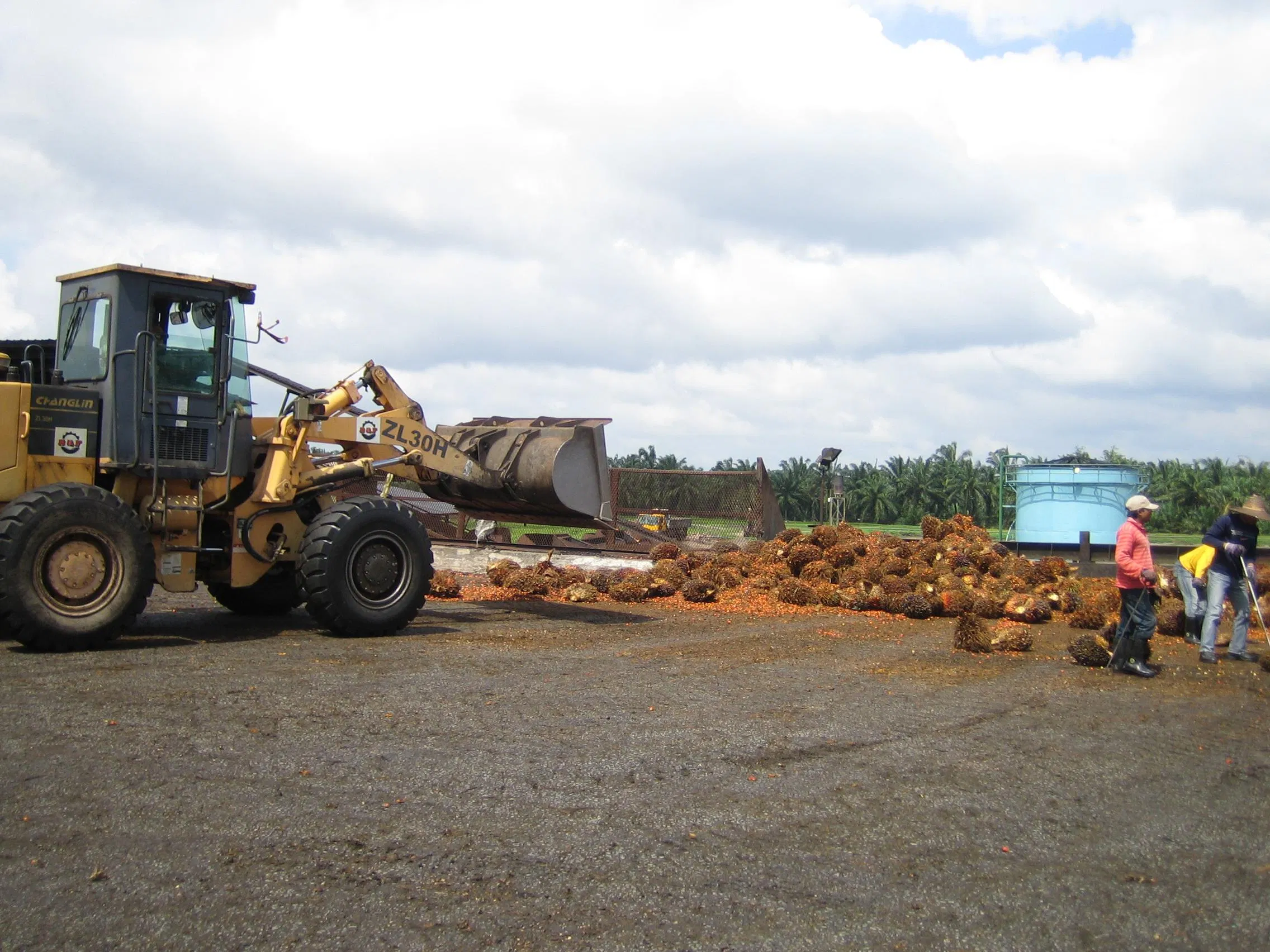
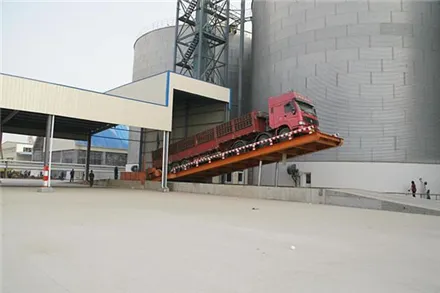
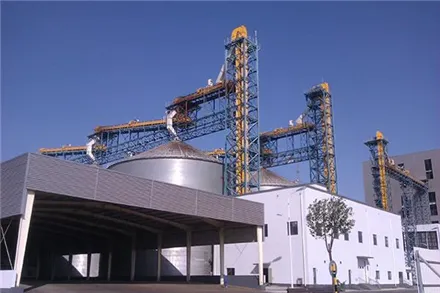
Major Devices: automatic unloading machine, cleaning and classifying screen, elevator for delivering goods into silos, horizontal conveyor and conveyor for taking goods out of silos.
Major Devices: flat classifying screen, specific-gravity stoner, online meter and magnetic separator for iron removal
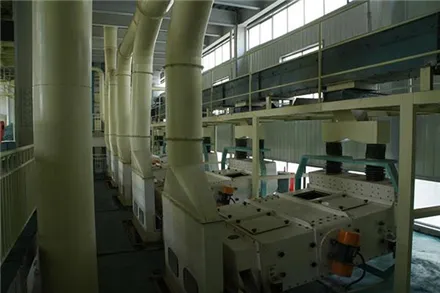
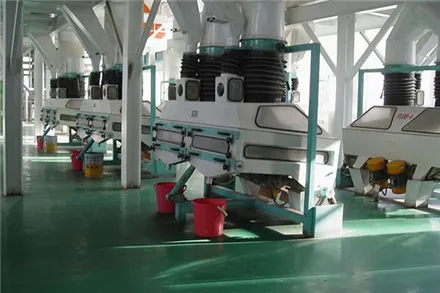
Major Devices: magnetic separator for iron removal, crusher (huller) and kernel and husk separator
Features of kernel and husk separator:
Inverter-driven feeding device is able to ensure even distribution of materials. An air-lock valve is installed at the feeder to guarantee normal feeding. Generally, soybeans or other seeds will be thrown against each other from various directions, which results in intense collision. Hence, hulling efficiency is highly improved. Furthermore, wind and mixture of kernel and husk run towards each other to ensure full contact, thus significantly improving husk removal efficiency. A vision glass is also equipped on the separator for real time observation of hulling and separating process.
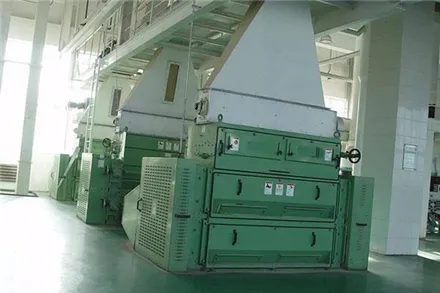
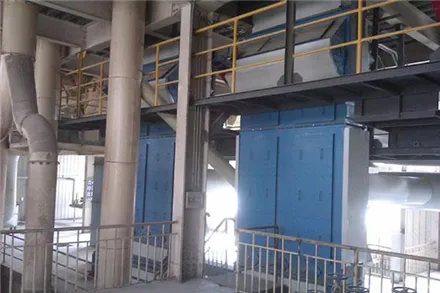
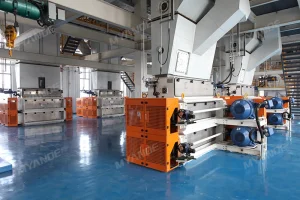
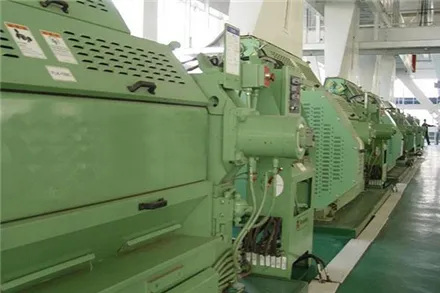
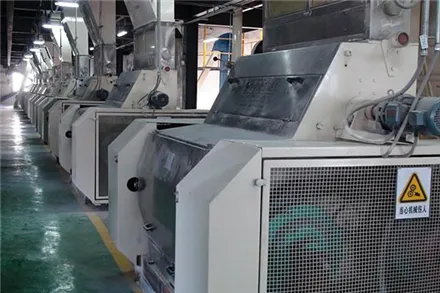
Major Devices: automatic control box for material level, magnetic separator for iron removal, flaking mill, hydraulic driving station and conveyor
Applicable Oil Materials: soybeans, rapeseeds, cottonseeds, sunflower seeds, Corn Germs
Production Capacity per Flaker: 80-500t/d
Features of Flaking Mill:
The flaking mill features user friendliness, stable performance and easy maintenance. It is able to ensure automatic control of material level, inverter-driven feeding mode and uniform material layout. It is fitted with a reversible powerful magnet, thus making it convenient to remove impurities attached to the magnet. Flakes obtained features equal thickness, which is in range of 0.25 to 0.35mm.
Major Devices: feeding conveyor, magnetic separator for iron removal, extruder, drying and cooling system
Applicable Oil Materials: soybeans, rapeseeds, cottonseeds
Production Capacity: 50-6,000t/d
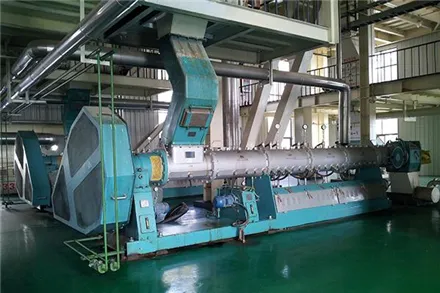
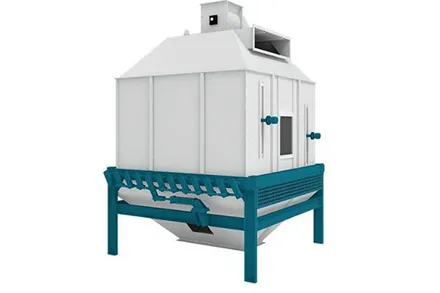
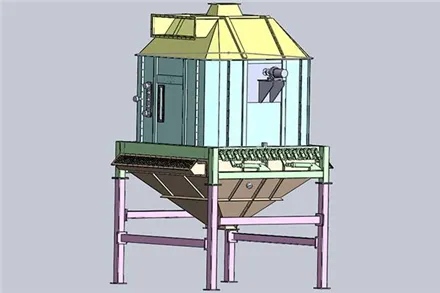
Major Equipment: feeding conveyor, air-lock valve, counterflow cooler