Entry Biology
1 / 5

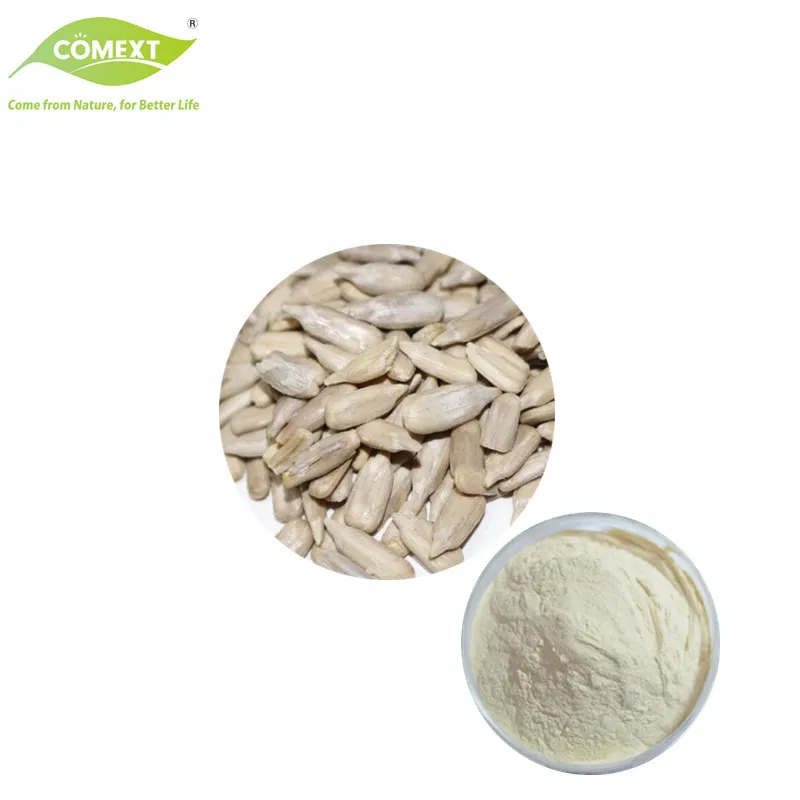
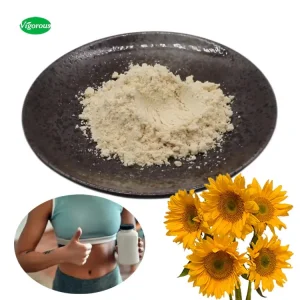
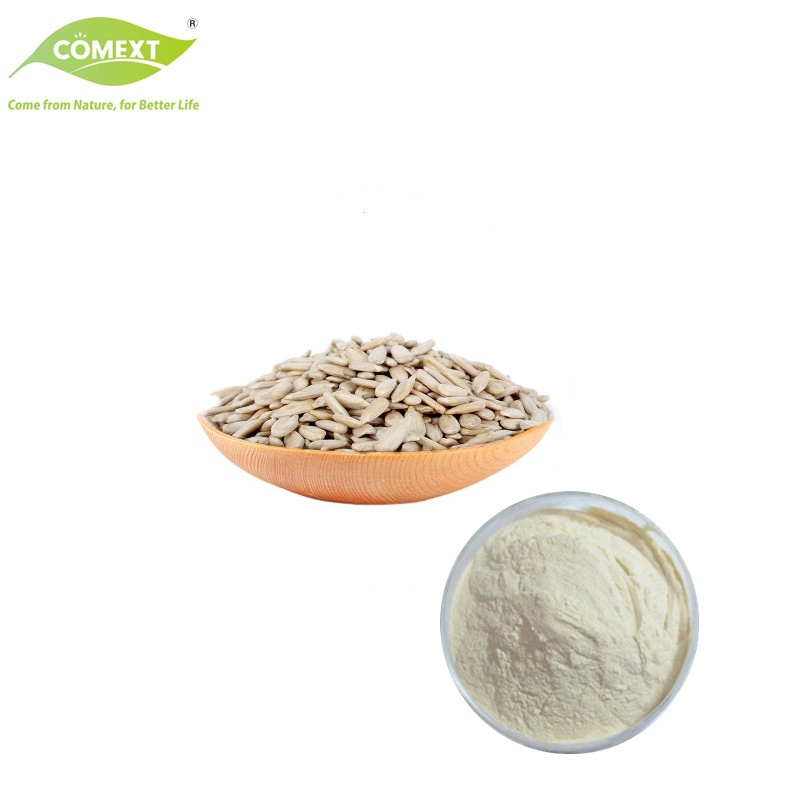
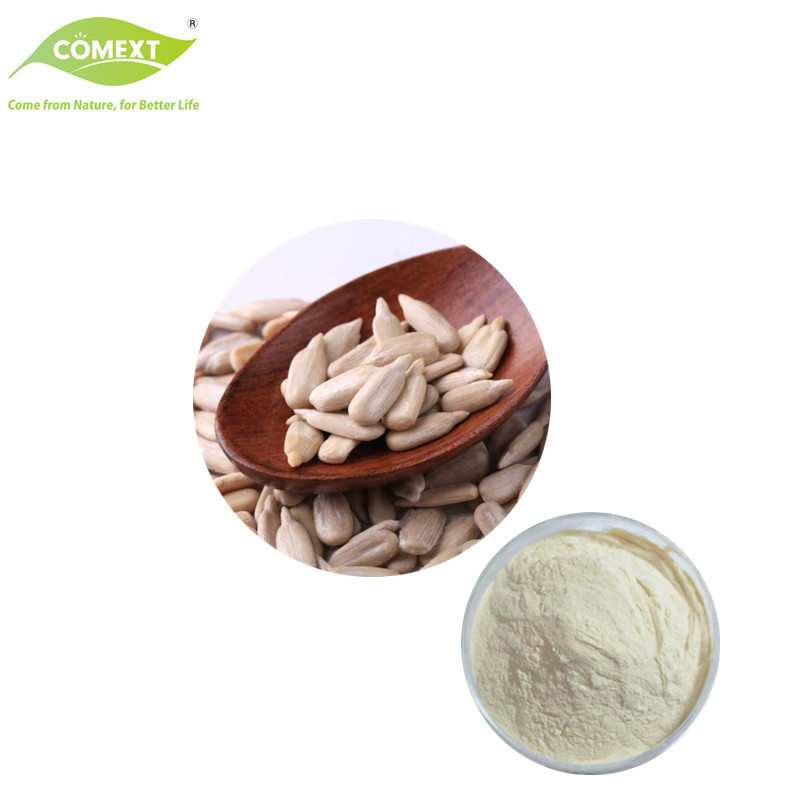
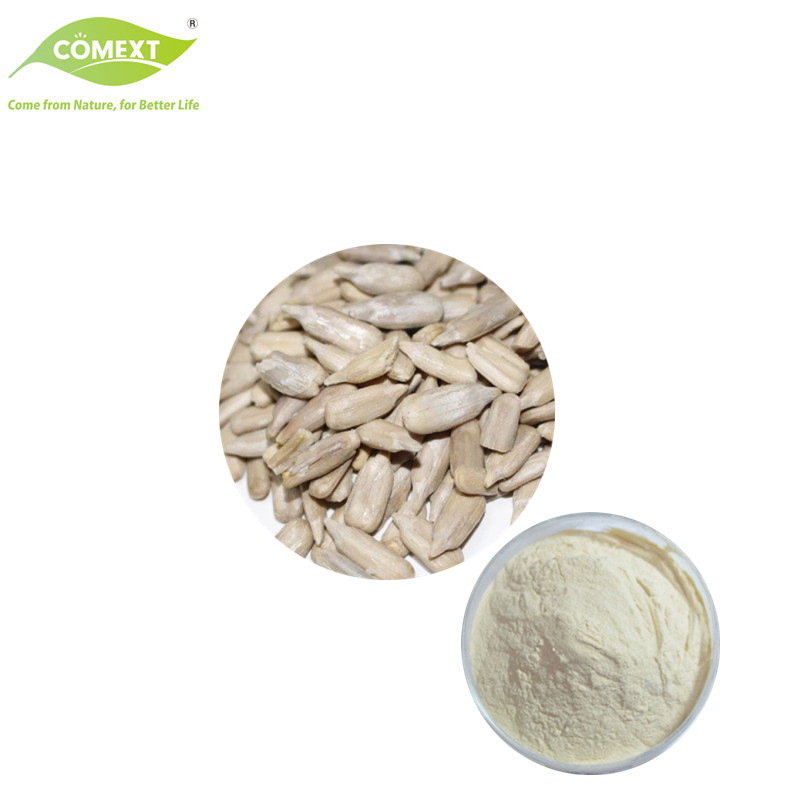
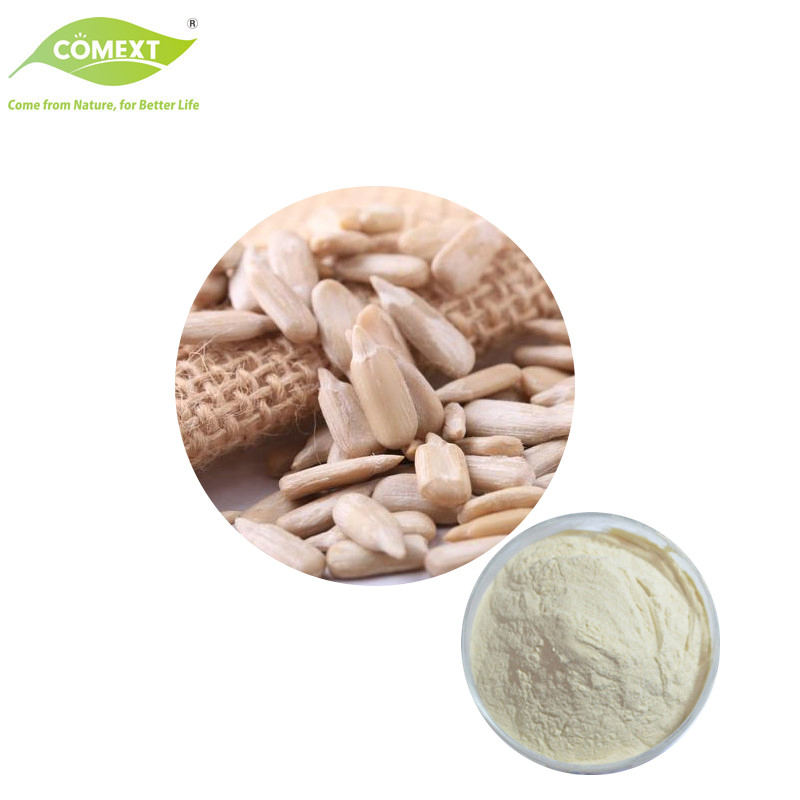
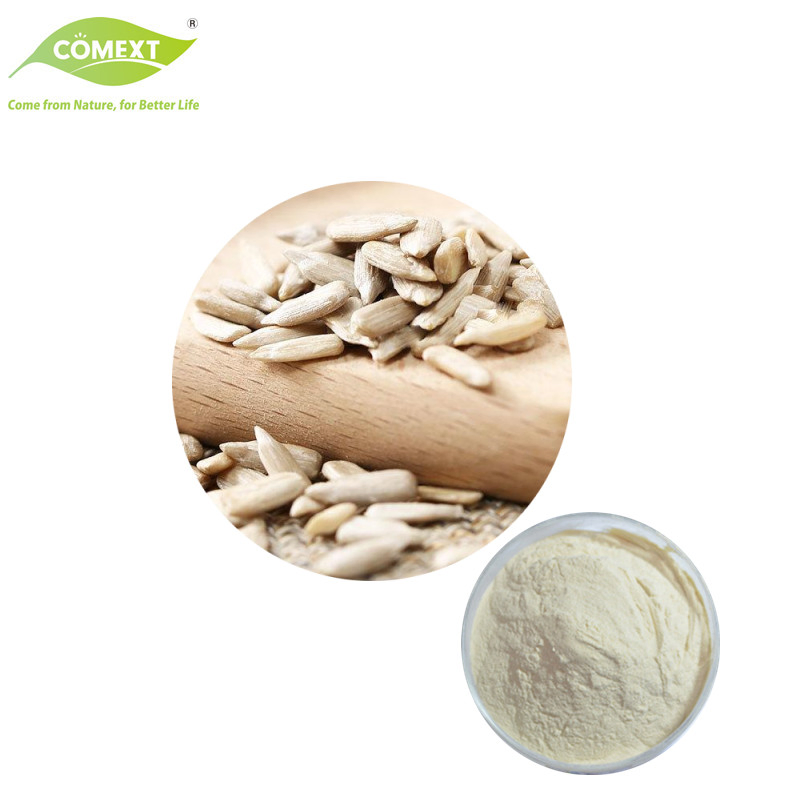
Sunflower protein powder is derived from degreased sunflower seed cakes as raw materials. Processed carefully to remove shells, chlorogenic acid, caffeic acid, and other phenolic acids, it delivers a highly refined plant-based protein source.
| Item | Specification |
|---|---|
| General Information | |
| Products Name | Sunflower Protein Powder |
| Botanical Name | Helianthus annuus L. |
| Part Used | Seed |
| Physical Control | |
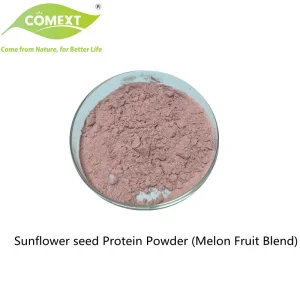
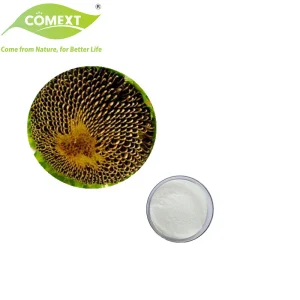
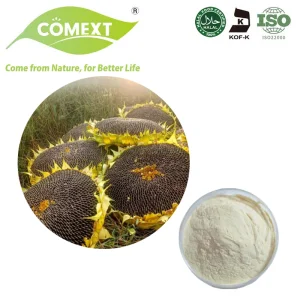
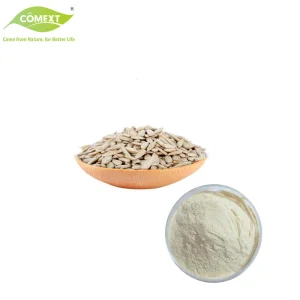
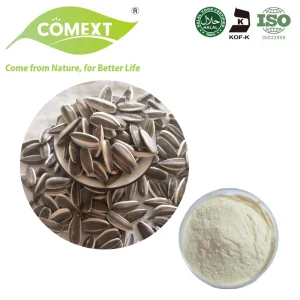
| Appearance | White to almost white or yellow free-flowing powder |
| Odor & Taste | Characteristic |
| Loss on Drying | ≤5.0% |
| Particle Size | NLT 95% Pass 80 Mesh |
| Chemical Control | |
| Protein | 20% - 50% |
| Total Heavy Metals | ≤20ppm |
| Lead (Pb) | ≤3ppm |
| Arsenic (As) | ≤2ppm |
| Cadmium (Cd) | ≤1ppm |
| Mercury (Hg) | ≤0.1ppm |
| Microbial Control | |
| Total Plate Count | ≤10,000cfu/g |
| Yeast & Molds | ≤1,000cfu/g |
| E.Coli | Negative |
| Salmonella | Negative |
| Packing and Storage | |
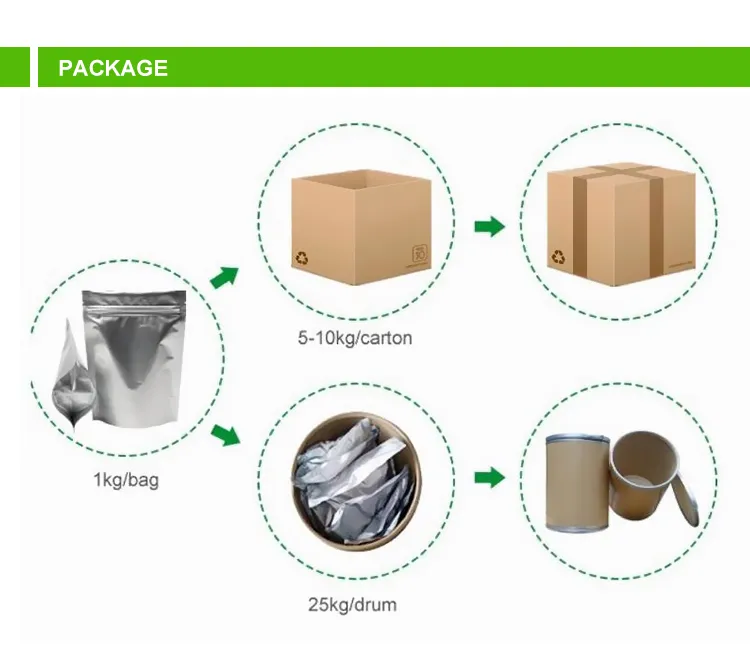
| Packing | Packed in paper-drums and double food-grade PE bags inside. 25Kg/Drum |
| Storage | Store in a well-closed container away from moisture and direct sunlight, room temperature. |
| Shelf Life | 2 years if sealed and stored properly. |

Sunflower protein powder is manufactured from degreased sunflower seed cakes (botanical name: Helianthus annuus L.) which undergo processing to remove the shells and phenolic acids such as chlorogenic acid and caffeic acid.
The protein specification ranges from 20% to 50%. The protein structure is mostly globulin (approx. 70%-79%), followed by albumin and a small amount of glutenin and gliadin.
It is a white to almost white or yellow free-flowing powder with a characteristic odor and taste. At least 95% of the particles pass through an 80-mesh screen.
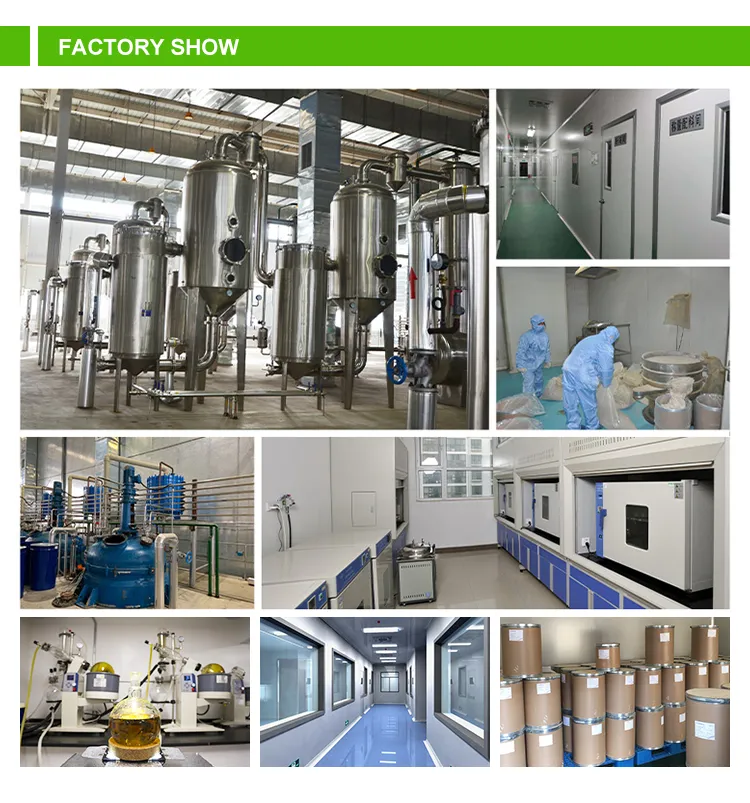
It is packaged in 25Kg paper-drums containing double food-grade PE bags inside to maintain product integrity during shipment and storage.
The powder has a shelf life of 2 years when stored in a well-closed container, kept away from direct sunlight and moisture at room temperature.
Total heavy metals are limited to ≤20ppm (Lead ≤3ppm, Arsenic ≤2ppm, Cadmium ≤1ppm, Mercury ≤0.1ppm). The total plate count is kept under ≤10,000cfu/g, with E.Coli and Salmonella testing strictly negative.