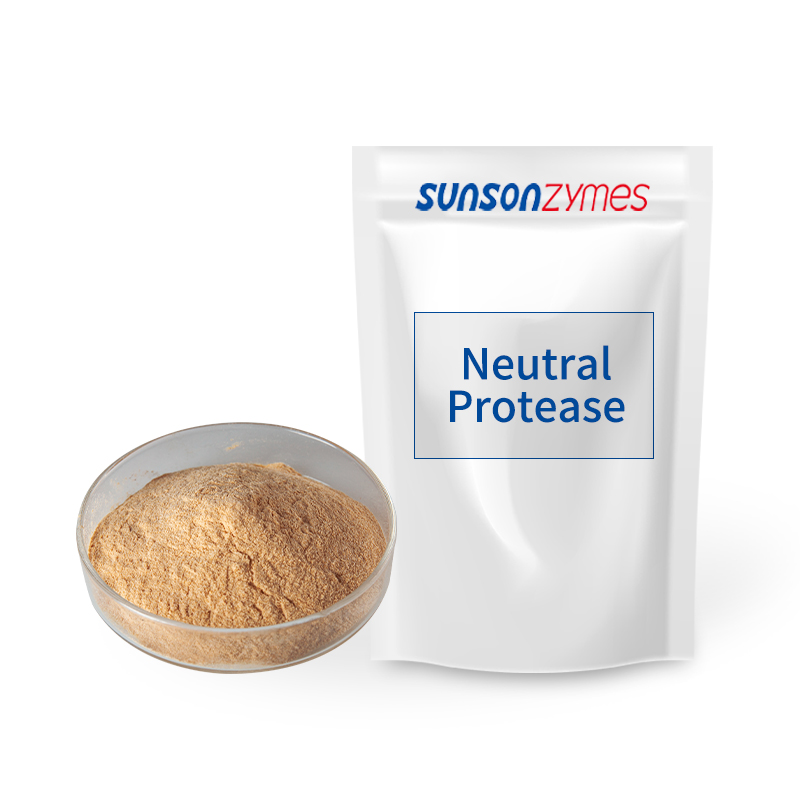
Concentrated 150,000u/g Neutral Protease for Food industry, Baking industry, Brewing industry, Soybean protein modification
Introduction
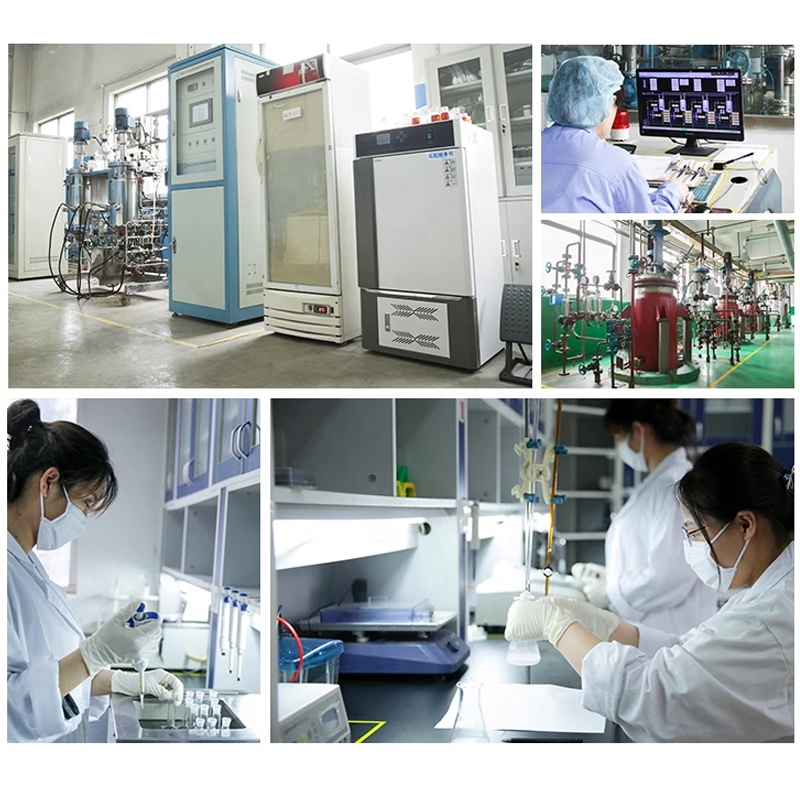
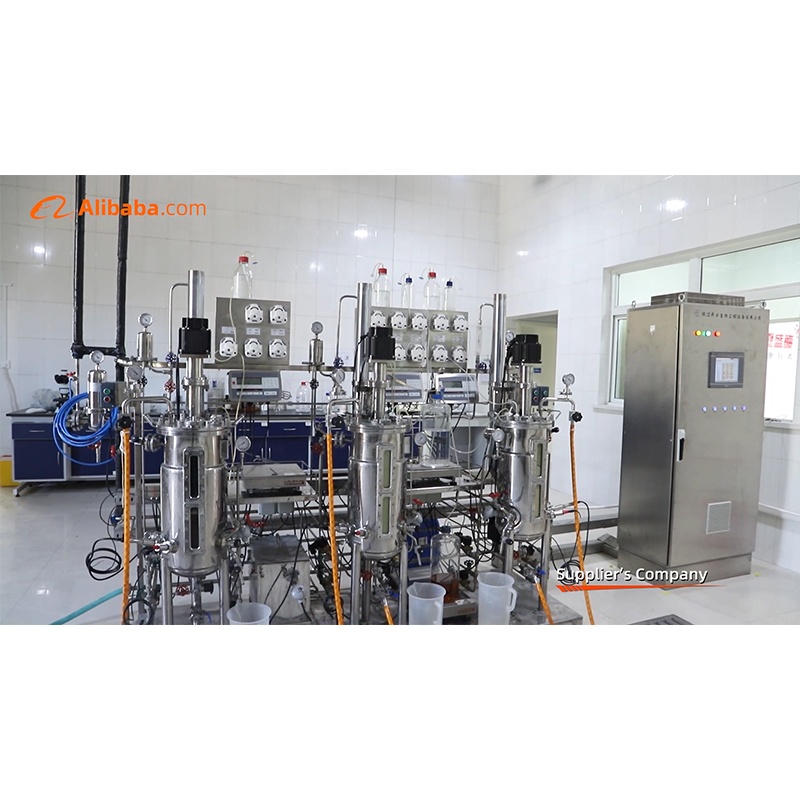
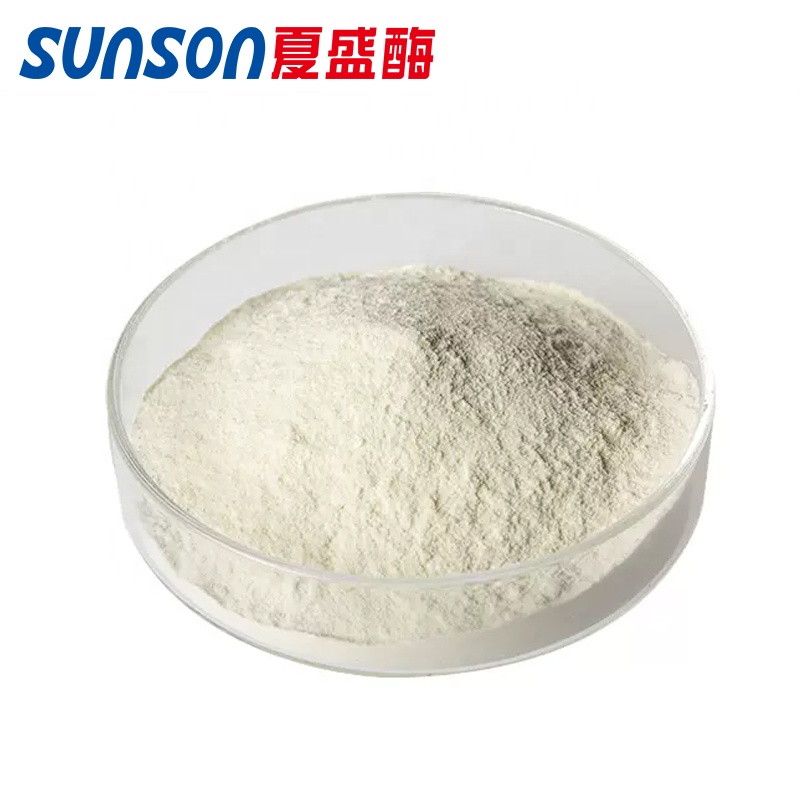
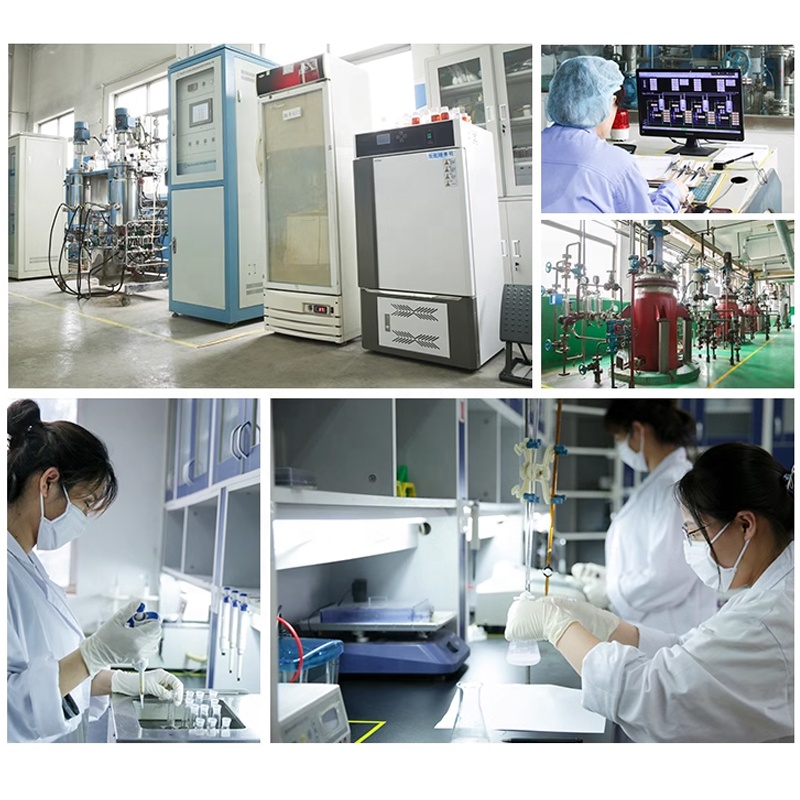
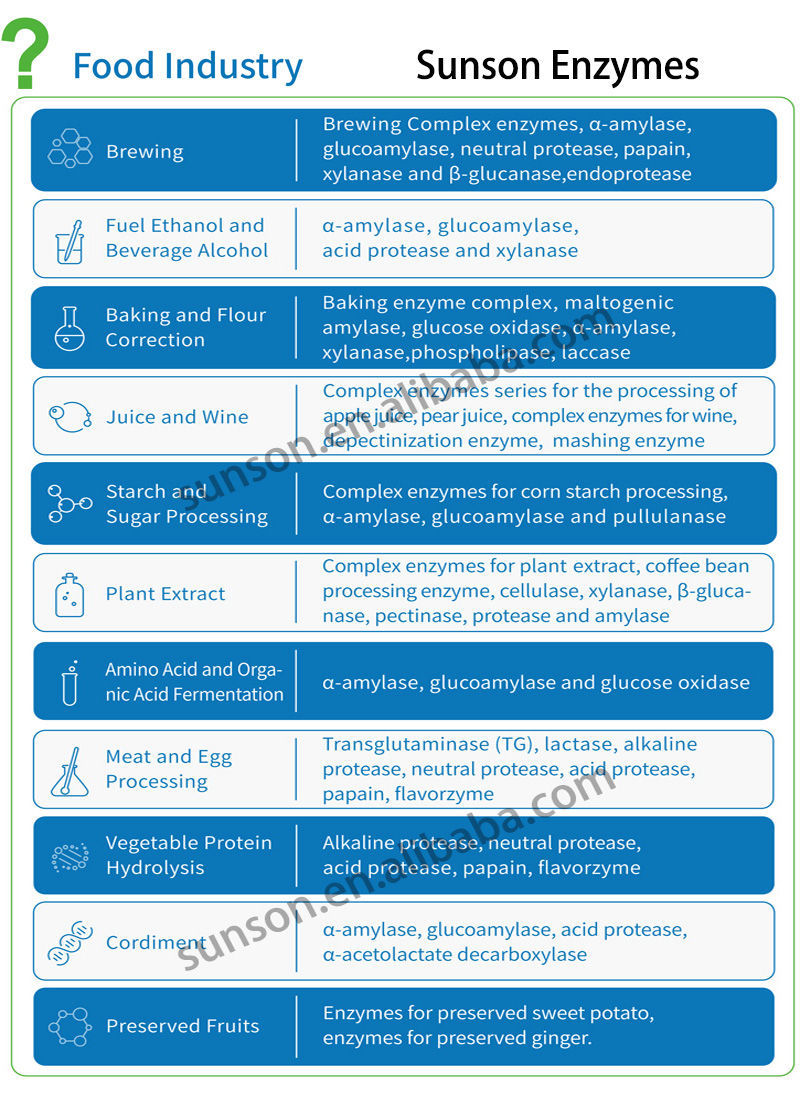
Neutral protease is a concentrated product produced by submerged fermentation of Bacillus subtilis followed by purification and formulation. Due to its high concentration, mild reaction condition requirement and easy control of degree of hydrolysis, the neutral protease has been widely used in alcohol fermentation, leather softening and depilation, silk degumming, vegetable and animal proteolysis, brewing, juice clarification, baking and feed, etc.
Mechanism
The Neutral Protease catalyzes the hydrolysis of protein to produce free amino acids and short peptides within a pH range from weak acid to weak alkaline environment. Besides the main activity of endo-peptidase, the product also contains exo-peptidase, whose joint actions leads to liberation of short peptides and free amino acids.
Dosage
The recommended dosage is 0.01-3kg of the enzyme preparation per ton of total raw materials. The dosage has to be optimized based on each application, the raw material specifications, product expectation and processing parameters. It is better to begin the test with the convenient volume.
Frequently Asked Questions
Q
What is Neutral Protease and how is it produced?
Neutral protease is an enzyme product produced through submerged fermentation of Bacillus subtilis, followed by purification and formulation. It is designed to catalog the hydrolysis of proteins efficiently.
Q
What is the optimum temperature and pH range for this enzyme?
The enzyme works optimally within a temperature range of 40℃ to 50℃ (active from 30℃ to 65℃) and a pH range of 6.5 to 8.5 (active from 5.5 to 10.0).
Q
What industries can benefit from using Neutral Protease?
It is widely applied in the food industry, baking industry, brewing industry, textile industry, tanning industry, feed industry, and for soybean protein modification.
Q
What is the recommended dosage for application?
The recommended dosage is 0.01-3kg of the enzyme preparation per ton of total raw materials. We suggest testing and optimizing the dosage based on specific raw materials and expected outcomes.
Q
What are the storage guidelines and shelf life?
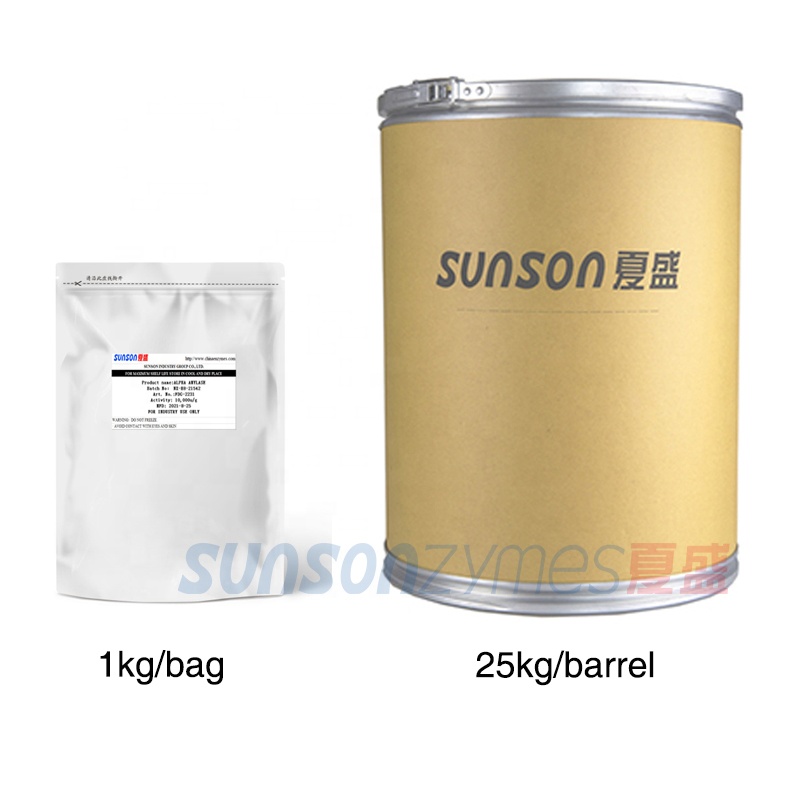
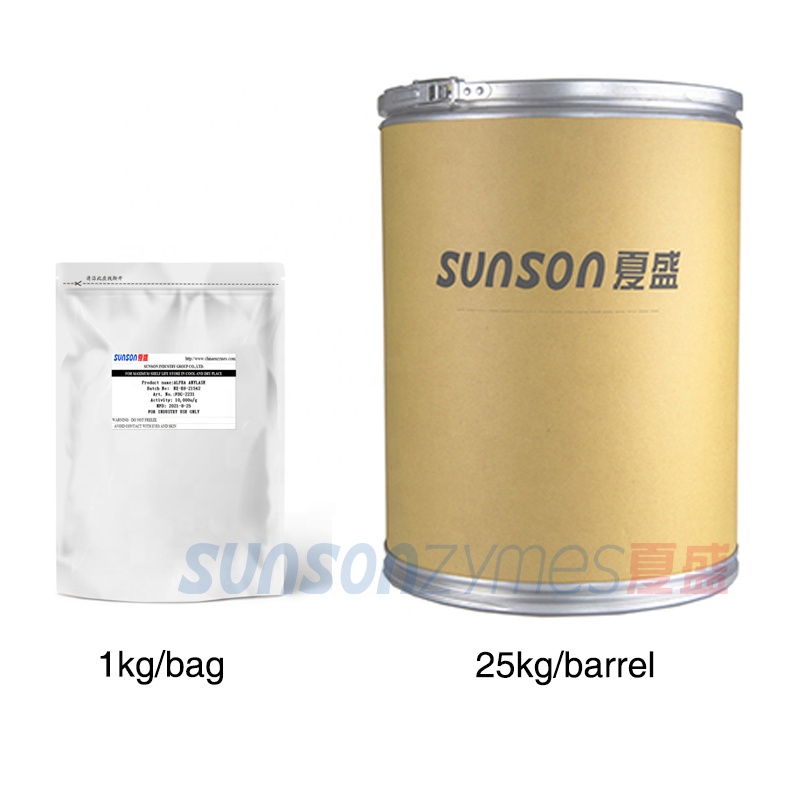
Keep the product sealed in a cool, dry place away from direct sunlight. It has a shelf life of 12 months under these conditions. Slight sedimentation is normal and will not affect performance.
Q
Are there any safety handling instructions?
Enzymes are proteins that may cause sensitization or allergic responses. Avoid direct contact with skin and eyes, and avoid inhaling the dust. Consult a doctor if any irritation or allergic reaction occurs.
 Entry Biology