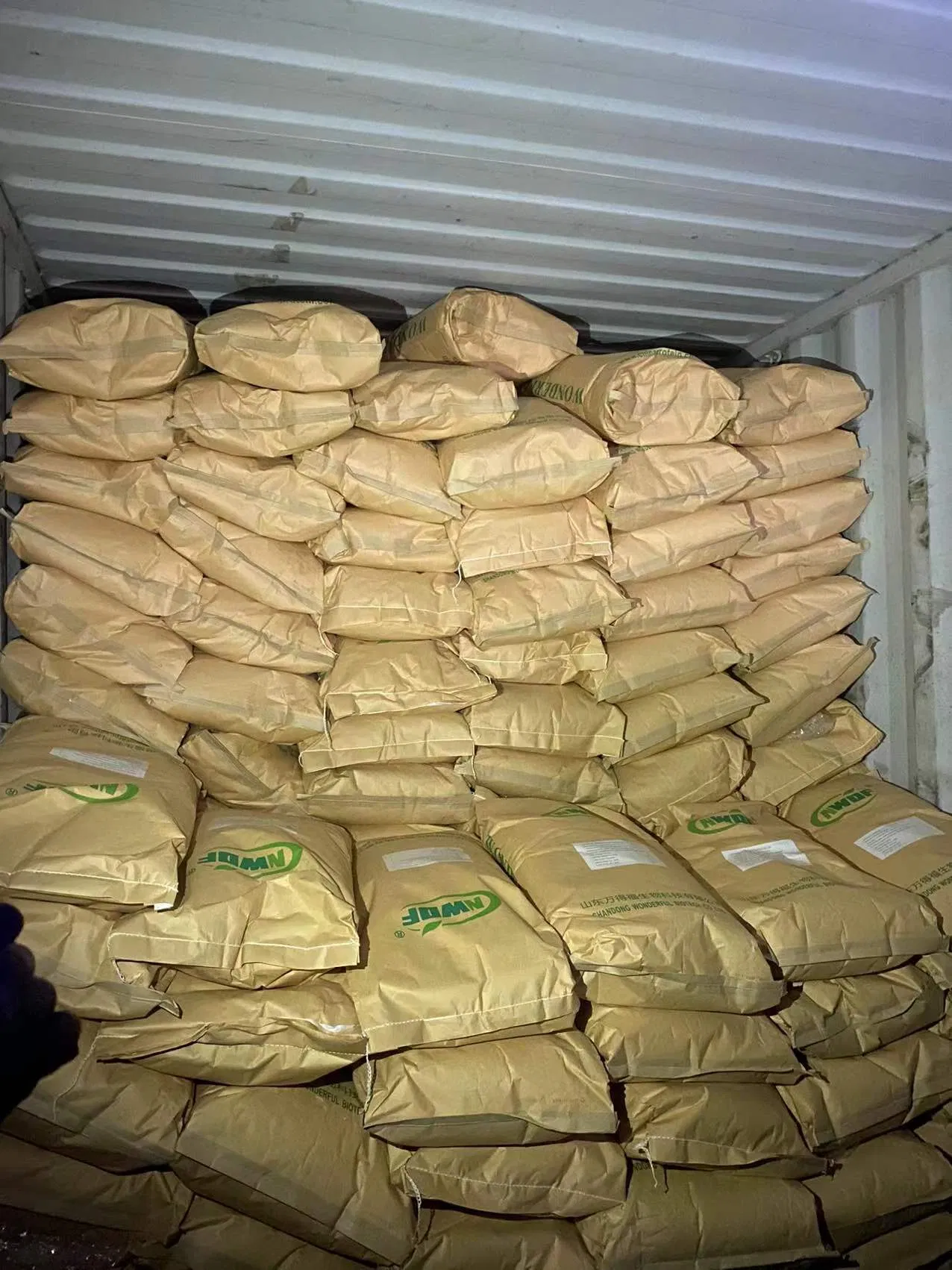
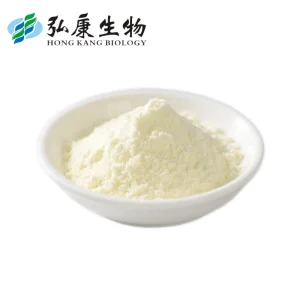
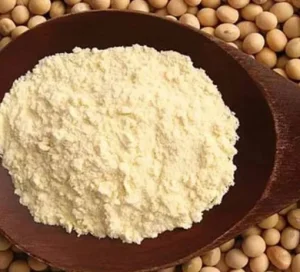
Fermented Soy Protein Concentrate (FSPC) is a specialized form of soy protein that undergoes fermentation to enhance its nutritional and functional properties. Fermentation is a natural process where microorganisms (such as bacteria, yeast, or fungi) break down components of the soy protein, resulting in improved digestibility, flavor, and bioavailability of nutrients. Here's a detailed overview of fermented soy protein concentrate:
What is Fermented Soy Protein Concentrate?
Soy Protein Concentrate (SPC): Typically contains 65-70% protein and is made by removing soluble carbohydrates from defatted soy flour, leaving a concentrated protein product.
Fermentation: The soy protein concentrate is subjected to controlled fermentation using specific microbial strains (e.g., Bacillus subtilis, Lactobacillus, or Aspergillus). This process modifies the protein structure and reduces anti-nutritional factors.
Key Benefits of Fermentation
Improved Digestibility:
Fermentation breaks down complex proteins into smaller peptides and amino acids, making them easier to digest and absorb.
Reduces anti-nutritional factors like trypsin inhibitors and phytic acid, which can interfere with protein digestion and mineral absorption.
Enhanced Nutritional Profile:
Increases the bioavailability of essential amino acids.
Produces bioactive peptides with potential health benefits, such as antioxidant, anti-inflammatory, and immune-boosting properties.
Better Flavor:
Fermentation reduces the "beany" flavor associated with soy, resulting in a milder, more neutral taste.
Adds a slight umami or savory flavor, which can enhance the taste of food products.
Functional Properties:
Improves solubility, emulsification, and water-binding capacity compared to non-fermented soy protein concentrate.
Enhances texture and mouthfeel in food applications.
Probiotic Potential:
Depending on the microorganisms used, fermented soy protein concentrate may contain beneficial probiotics, which support gut health.
Advantages Over Non-Fermented Soy Protein
Reduced Anti-Nutritional Factors: Fermentation degrades compounds like phytic acid and trypsin inhibitors, improving nutrient absorption.
Enhanced Bioactivity: Produces bioactive peptides with potential health benefits.
Better Sensory Properties: Milder flavor and improved texture make it more appealing to consumers.
Sustainability: Utilizes a natural process to enhance the functionality of plant-based proteins.
Frequently Asked Questions (FAQ)
What is Fermented Soy Protein Concentrate?
It is a high-protein ingredient (typically containing 65-70% protein) that has undergone a controlled natural fermentation process. This process uses specific microbial strains to break down complex molecules, reducing anti-nutritional factors and improving digestibility.
How does fermentation improve the digestibility of soy protein?
Fermentation breaks down complex soy proteins into smaller, highly absorbable peptides and amino acids. It also degrades anti-nutritional factors, such as trypsin inhibitors and phytic acid, which can otherwise impede normal digestion and mineral absorption.
Does fermented soy protein taste different from regular soy protein?
Yes. Fermentation significantly reduces the strong, characteristic "beany" taste of soy, yielding a much milder and more neutral flavor profile. It also introduces a slight savory umami note, which can enhance food product taste.
What are the main functional advantages of using FSPC?
FSPC exhibits superior solubility, emulsification, and water-binding capacity compared to non-fermented counterparts. These properties improve the overall texture, consistency, and stability of various food applications.
Are there probiotics in fermented soy protein concentrate?
Depending on the specific microbial cultures utilized during the fermentation process, FSPC can contain beneficial probiotic elements that help support a healthy gut microbiome.
 Entry Biology