The global food industry is undergoing a seismic shift towards plant-based diets, driven by concerns for sustainability, health, and ethical sourcing. At the center of this transformation lies Textured Vegetable Protein (TVP), also known as textured soy protein (TSP) or soy meat. As food manufacturers worldwide seek to engineer high-fidelity plant-based meat analogues, the demand for high-quality, functional, and structurally robust TVP has reached unprecedented heights.
"By 2030, the global plant-based protein market is projected to exceed USD 35 billion, with textured vegetable proteins serving as the primary structural matrix for over 60% of all commercial meat alternatives."
For B2B procurement officers, food technologists, and international distributors, selecting the right manufacturing partner is paramount. High-quality TVP requires precise extrusion technology, stable protein isolates, and rigorous quality control to ensure optimal texture, hydration capacity, and sensory appeal. China has emerged as the global epicenter for TVP manufacturing, offering a unique combination of agricultural scale, advanced manufacturing technology, and cost efficiency.
Textured Vegetable Protein is manufactured through high-temperature, high-pressure, and high-shear extrusion processes. This alters the structure of the raw plant proteins—typically soy protein isolate, pea protein, or wheat gluten—aligning them into a fibrous, cohesive network that mimics the muscle fibers of meat. The efficiency of this texturizing process directly impacts parameters such as the Water Binding Capacity (WBC), Oil Holding Capacity (OHC), and the tensile strength of the hydrated protein.
China's manufacturing sector combines raw material abundance, optimized processing costs, and state-of-the-art dual-screw extrusion machinery to deliver high-performance plant proteins.
Many factories operate near the major soy-producing regions of Northern China, allowing for immediate access to high-grade, Non-GMO soybeans. This direct integration minimizes transport costs and reduces oxidative deterioration of raw proteins, ensuring optimal functional properties in the final product.
Chinese factories utilize advanced co-rotating twin-screw extruders. These systems offer superior control over thermal input and mechanical energy distribution, allowing manufacturers to tailor the fiber density, thickness, and chewiness of the TVP to specific target applications.
Due to consolidated industrial clusters, Chinese manufacturers achieve unparalleled economies of scale. Combined with highly automated processing lines, this enables them to offer competitive pricing while maintaining the strict quality standards required by international food manufacturers.
Hangzhou Entry Bio Co., Ltd. is a leading China vegetal protein manufacturer specializing in the research, production, and global supply of high-quality plant protein ingredients and food-grade protein solutions. With a strong commitment to innovation, quality, and sustainability, the company serves customers across the food, beverage, nutrition, and health industries worldwide.
Leveraging advanced manufacturing technologies and strict quality management systems, Hangzhou Entry Bio Co., Ltd. offers a comprehensive portfolio of plant-based ingredients, including soy protein, pea protein, rice protein, textured vegetable protein, and customized protein blends. These products are widely used in meat alternatives, dairy alternatives, sports nutrition, functional foods, bakery products, beverages, and nutritional supplements.
Quality and food safety are at the core of the company's operations. From raw material sourcing to finished product delivery, every production stage is carefully monitored to ensure consistent quality, purity, and performance. The company adheres to international quality standards and continuously invests in product innovation to meet the evolving demands of the global plant-based market.
As a reliable plant protein ingredients supplier, Hangzhou Entry Bio Co., Ltd. also provides professional technical support and customized formulation services, helping customers develop competitive and market-oriented products. Backed by an experienced R&D team and efficient supply chain management, the company is capable of delivering tailored solutions for diverse application requirements.
Dedicated to promoting sustainable nutrition and healthy lifestyles, Hangzhou Entry Bio Co., Ltd. strives to be a trusted global partner for food manufacturers seeking premium vegetal proteins and innovative food-grade protein solutions.
Textured Vegetable Protein is not a one-size-fits-all product. Different food formulations require specific physical structures, shapes, and sizes of TVP to achieve the desired culinary properties. Below are the primary industrial application scenarios for high-quality TVP:
| TVP Physical Form | Typical Protein Source | Hydration Ratio | Primary Application | Functional Advantage |
|---|---|---|---|---|
| Granules (1-3mm) | Soy Protein Isolate / Concentrates | 1 : 3.0 | Plant-based ground meat, sausages, taco fillings | Blends seamlessly with fats and binders; mimics minced beef. |
| Chunks (10-20mm) | Soy, Pea, Wheat Gluten blends | 1 : 3.5 | Plant-based chicken cubes, stews, curries | Provides a firm, fibrous bite with long shelf-life stability. |
| Flakes & Shreds | Pea Protein, Fava Bean Protein | 1 : 4.0 | Plant-based fish alternatives, crab cakes | Delicate, layered structure that flakes like real fish muscle. |
| High Moisture Extrudates | Soy Isolate, Pea & Chickpea blends | Direct Use (Wet) | Premium vegan chicken breasts, jerky products | No pre-hydration required; highly realistic striated muscle fiber. |
By adjusting the extrusion settings, such as heating zone temperature profiles, screw rotation speeds, and die configurations, factories can control the density and pore structure of the TVP. This directly affects the speed of water absorption and the chewiness of the hydrated protein. For instance, a denser TVP is ideal for applications requiring high mechanical stress (such as canning or sterilization in ready-to-eat meals), while a more porous TVP is preferred for quick-prep applications like instant soups.
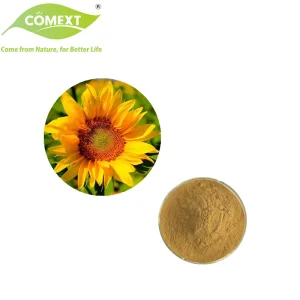
A key indicator of an exporter's operational depth is their understanding of the upstream raw material processing chain. Before vegetable protein can be textured, it must be extracted from oilseeds (such as soybeans, canola, or sunflower seeds). This extraction phase requires high-capacity screw presses and refining plants to produce high-purity defatted meal—the essential precursor for protein isolates and textured products.
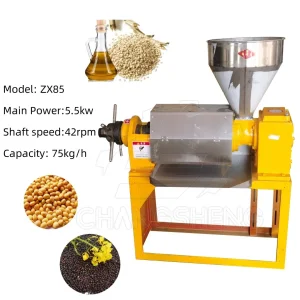
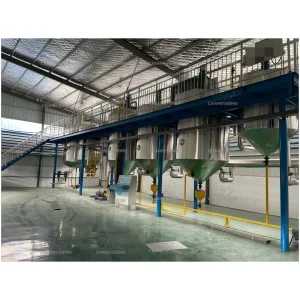
Many top-tier manufacturers in China rely on integrated oil extraction systems to ensure consistent feedstock quality. For example, utilizing robust oil extraction equipment like the Zx85 Screw Press Canola Copra Groundnut Oil Mill enables the initial cold or hot pressing of the seeds. This is followed by multi-stage refining using systems such as the 2-10td Crude Soybean Canola Cooking Vegetable Oil Refining Equipment or larger-scale 30t/D Sunflower Canola Coconut Cotton Soybean Palm Oil Refinery Refining Machines. Integrating these processing stages ensures that the protein residues remain undamaged by excessive heat, preserving their texturizing functionality for extrusion.
Sourcing Insight: Exporters with integrated oil-milling and refining capabilities have direct control over the protein quality of their defatted meals. This control translates to more consistent batch-to-batch texture, density, and color in the finished TVP.
As global food safety regulations tighten and consumer awareness grows, the plant-based industry is moving beyond soy. Modern TVP plants in China are actively diversifying their portfolios with non-soy alternatives.
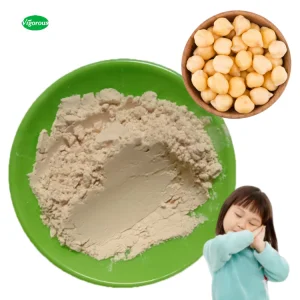
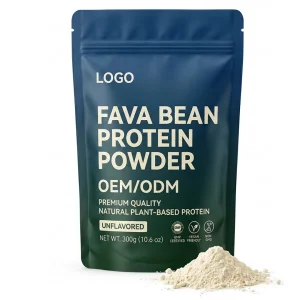
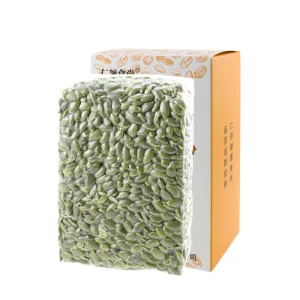
These legumes offer excellent gelling properties and a neutral taste profile. Notably, fava bean protein is free from the major allergens associated with soy and wheat, making it an ideal choice for clean-label, hypoallergenic meat alternatives.
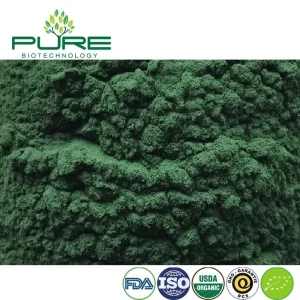
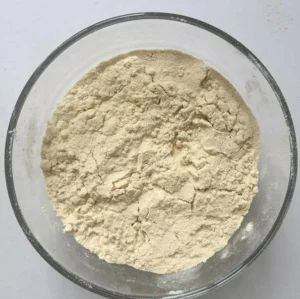
Hemp protein provides a complete amino acid profile rich in dietary fiber, while spirulina powder introduces natural green coloring and bioactive compounds. These specialty proteins are often blended into TVP formulations to boost their nutritional credentials.
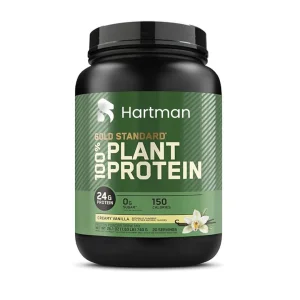
Pea protein remains the dominant non-soy texturized solution. Its high lysine content, low allergenicity, and clean sensory profile make it highly sought after by European and North American plant-based meat brands.
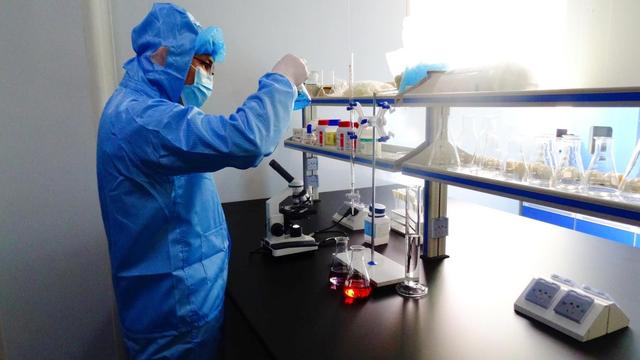
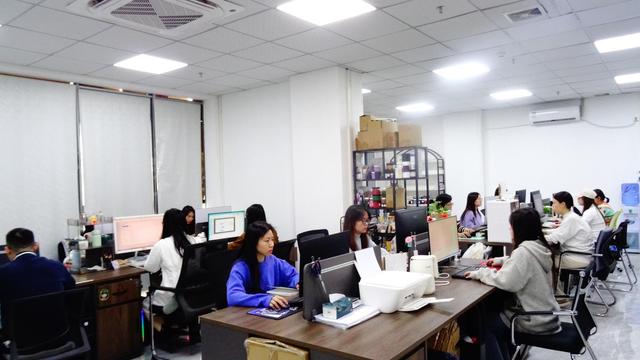
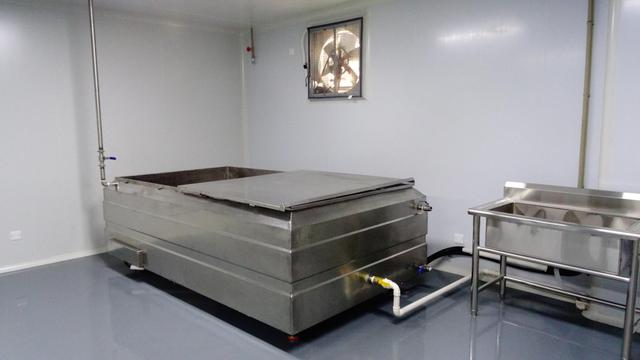
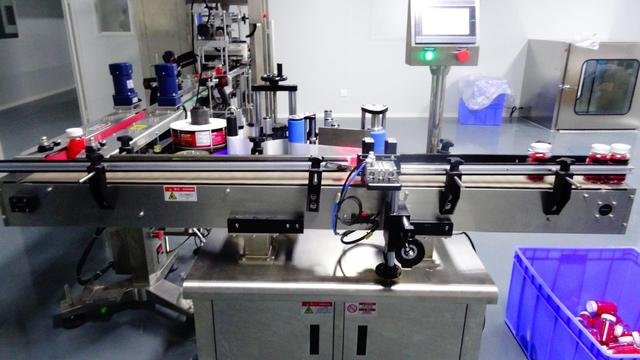
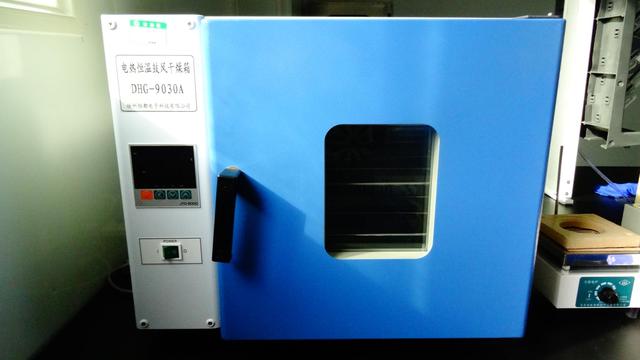
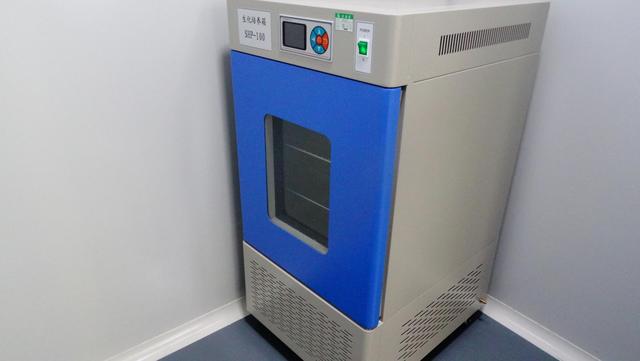
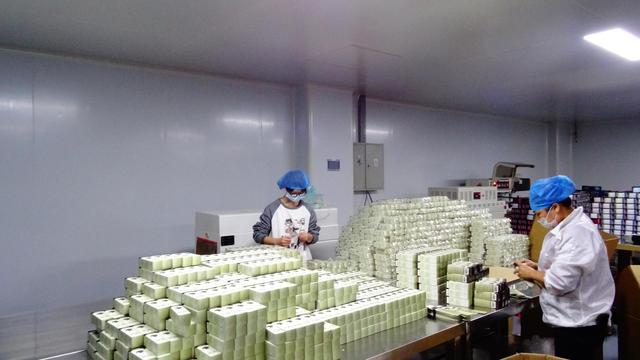
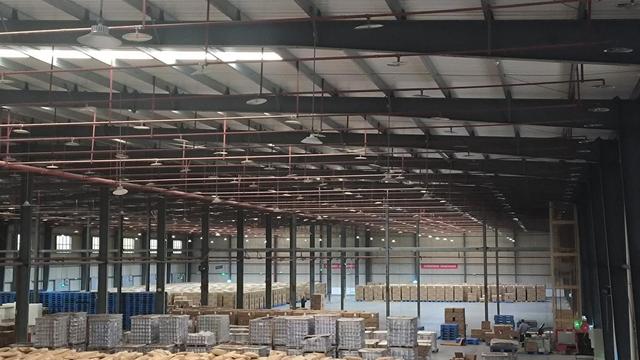
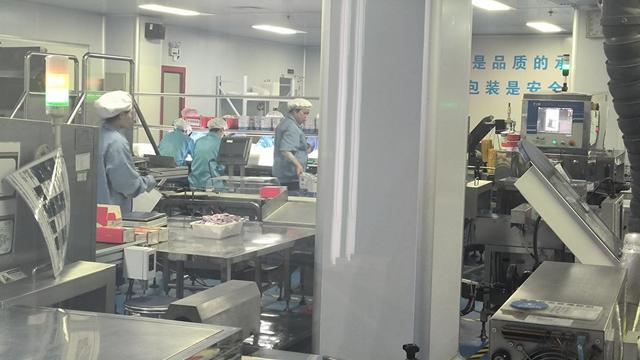
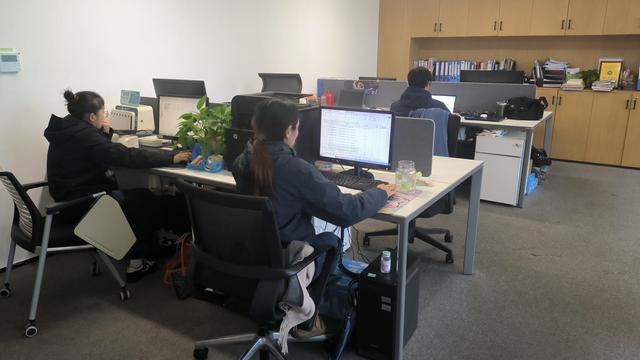
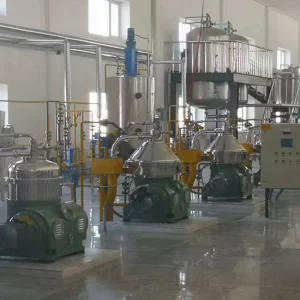
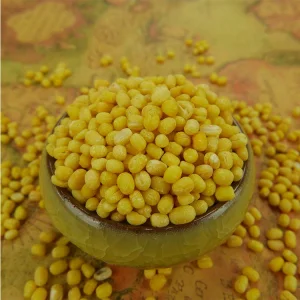
Direct look into our partner factories, processing lines, and quality verification labs.
 Entry Biology