Premium grade, non-GMO vegetal isolates and specialized peptides optimized for global functional food, beverage, and clean-label dietary supplement applications.
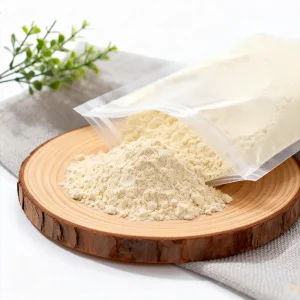
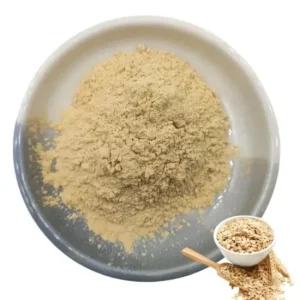
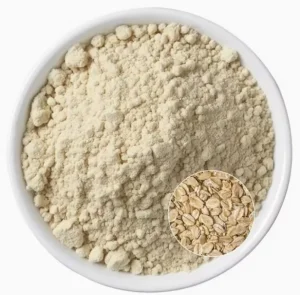
A strategic overview of Hangzhou Entry Bio Co., Ltd.’s commitment to premium vegetal protein extraction, bio-tech synthesis, and international quality alignment.
Hangzhou Entry Bio Co., Ltd. is a leading China vegetal protein manufacturer specializing in the research, production, and global supply of high-quality plant protein ingredients and food-grade protein solutions. With a strong commitment to innovation, quality, and sustainability, the company serves customers across the food, beverage, nutrition, and health industries worldwide.
Leveraging advanced manufacturing technologies and strict quality management systems, Hangzhou Entry Bio Co., Ltd. offers a comprehensive portfolio of plant-based ingredients, including soy protein, pea protein, rice protein, textured vegetable protein, and customized protein blends. These products are widely used in meat alternatives, dairy alternatives, sports nutrition, functional foods, bakery products, beverages, and nutritional supplements.
Quality and food safety are at the core of the company's operations. From raw material sourcing to finished product delivery, every production stage is carefully monitored to ensure consistent quality, purity, and performance. The company adheres to international quality standards and continuously invests in product innovation to meet the evolving demands of the global plant-based market.
Strategic Positioning Statement: As a reliable plant protein ingredients supplier, Hangzhou Entry Bio Co., Ltd. also provides professional technical support and customized formulation services, helping customers develop competitive and market-oriented products. Backed by an experienced R&D team and efficient supply chain management, the company is capable of delivering tailored solutions for diverse application requirements.
Dedicated to promoting sustainable nutrition and healthy lifestyles, Hangzhou Entry Bio Co., Ltd. strives to be a trusted global partner for food manufacturers seeking premium vegetal proteins and innovative food-grade protein solutions. By establishing closed-loop quality control metrics from seed selection to enzymatic extraction, we guarantee stable functional characteristics that perform exceptionally under variable thermal processing, extrusion, and shear forces.
A comprehensive research analysis of current demand trajectories, supply constraints, and the biological evolution of alternative plant-based proteins.
The global shift toward alternative proteins is driven by climate concerns, consumer health awareness, and supply chain vulnerability. Major multi-national food corporations are transitioning to plant-based inputs to satisfy ESG criteria and lower their carbon footprint. Historically dominated by soy protein, the market now seeks alternative biological matrices—such as pea, chickpea, fava bean, and grain-derived peptides—to mitigate allergenicity concerns and improve nutritional density.
In Europe and North America, regulatory approvals and consumer acceptance of novel proteins have catalyzed a structural shift. The mainstream market is transitioning from "flexitarian interest" to structured daily dietary substitution. Simultaneously, the Asia-Pacific region is experiencing the fastest compound annual growth rate (CAGR), fueled by urbanization, growing health-focused middle classes, and historical familiarity with plant-derived diets. Hangzhou Entry Bio Co., Ltd. serves as a critical infrastructural bridge, enabling large-scale, cost-effective manufacturing of raw isolates to support this international demand.
The modern plant-protein industry has moved beyond raw grinding. Achieving high-performance functional attributes requires advanced biochemical engineering. Hangzhou Entry Bio utilizes precise physical extraction methods, membrane filtration, and enzymatic hydrolysis to separate target proteins without compromising their tertiary structural integrity.
Specialized products like Hydrolyzed Oat Peptide and Mung Bean Protein Isolate undergo controlled enzymatic cleavage. This process breaks down long-chain polypeptides into bioactive peptides with lower molecular weight. The resulting ingredients offer excellent water solubility, quick metabolic absorption, and lower allergenicity, making them highly effective for medical nutrition, infant formulas, and targeted sports nutrition.
Targeted protease reactions designed to optimize protein chain digestion, maximizing cellular bioavailability and solubility.
Protective processes designed to maintain natural protein folding, ensuring excellent emulsification, water-binding, and gelling properties.
Stringent batch separation and identity-preserved processing designed to prevent cross-contamination and support clean-label packaging claims.
How our advanced vegetal proteins address complex formulation challenges in modern food processing, dairy alternatives, and nutritional biology.
Integrating plant proteins into complex liquid emulsions or high-temperature extrusion systems requires specific functional characteristics. Food manufacturers often struggle with poor solubility, gritty mouthfeel, phase separation in plant-based milks, and off-flavors. Hangzhou Entry Bio resolves these issues through tailored material modifications.
Raw crops contain phytates, tannins, and protease inhibitors that can impact digestibility and mineral absorption. Our processing uses targeted heat treatments and washing stages to deactivate these factors while preserving the protein's native structure and functional properties.
Using mechanical shear, physical homogenization, and natural masking systems, we reduce the characteristic green/beany notes of pea, chickpea, and fava bean proteins. This produces clean-tasting powders that require fewer flavor-masking additives in finished products.
Our proteins are engineered for both dry and wet extrusion (High Moisture Meat Analogues). Our soy and pea isolates maintain stable disulfide bonds during thermal processing, creating fibrous, meat-like textures with excellent water and fat retention for vegan burgers and sausages.
A reference table outlining the functional characteristics and application suitability of different plant-protein isolates.
| Protein Source | Protein Purity (%) | Key Functional Advantage | PDCAAS Score | Best Industry Application |
|---|---|---|---|---|
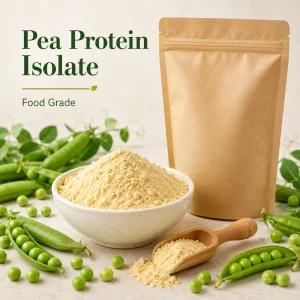
| Pea Protein Isolate | 80% - 85% | Hypoallergenic, high gelation stability | 0.69 - 0.78 | Vegan meat analogues, Ready-To-Drink (RTD) shakes |
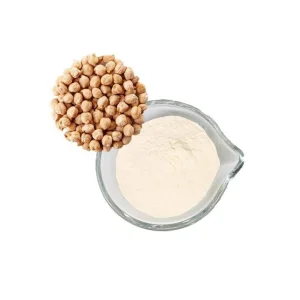
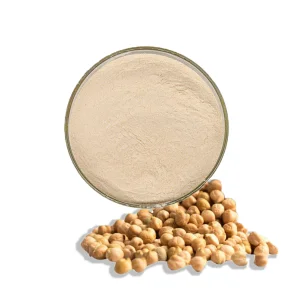
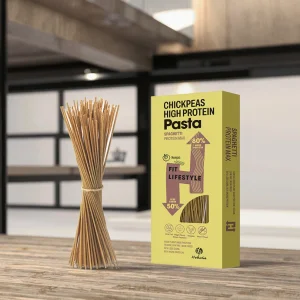
| Chickpea Protein Isolate | 75% - 80% | Neutral taste profile, excellent emulsification | 0.72 - 0.75 | Dairy alternatives, egg-free baking, high-protein pasta |
| Soy Protein Isolate | 90% | Complete amino acid profile, high cohesion | 1.00 | High-moisture extrusion, meat analogues, protein bars |
| Hydrolyzed Oat Peptide | 90%+ (peptides) | Excellent solubility, skin hydration properties | N/A (cleaved) | Functional beverages, clinical nutrition, personal care |
| Fava Bean Isolate | 80% - 85% | High solubility in acidic ranges | 0.60 - 0.65 | Clean-label foods, carbonated protein drinks |
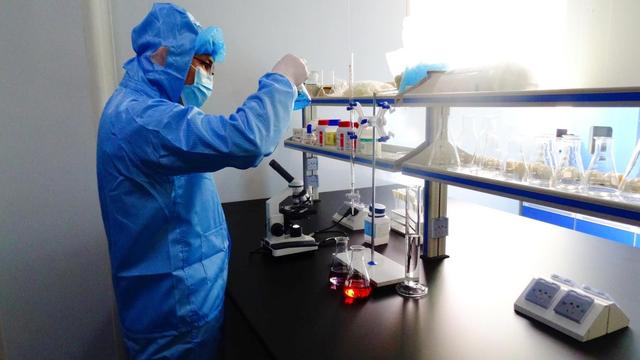
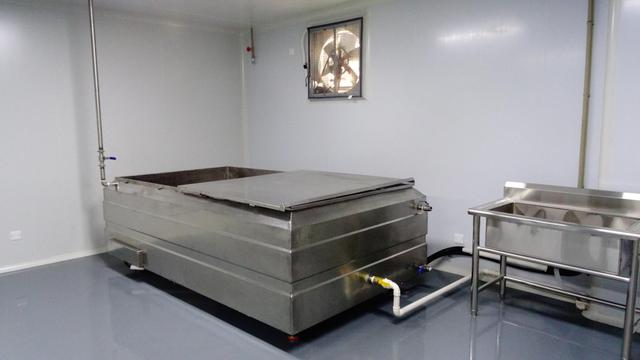
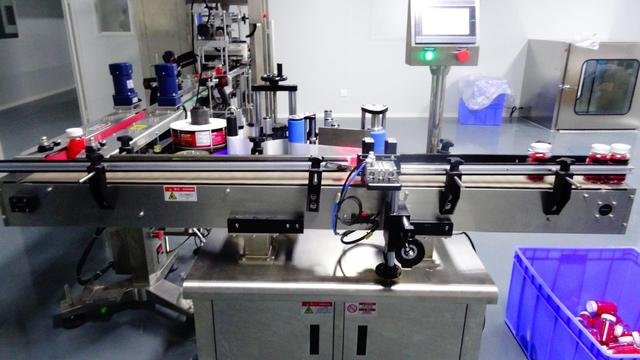
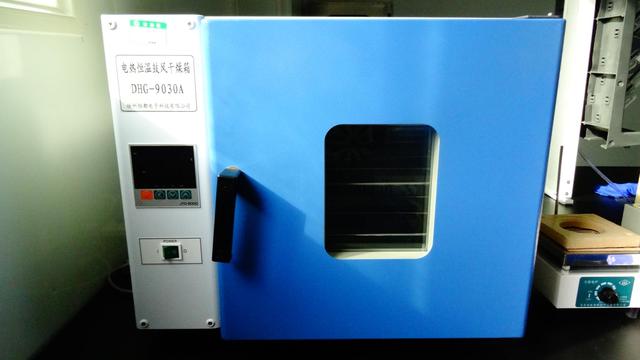
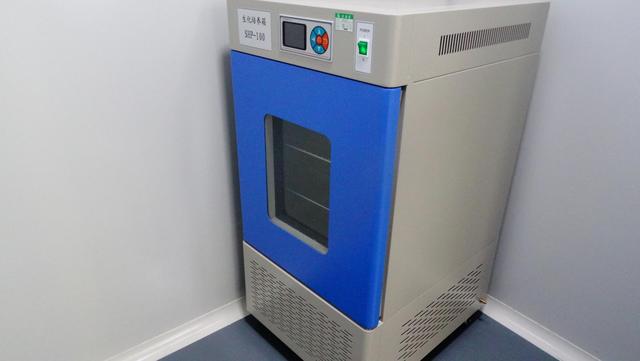
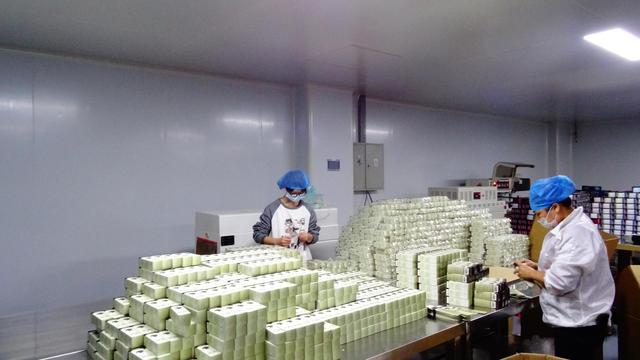
A look at Hangzhou Entry Bio Co., Ltd.'s processing facilities, cleanrooms, and automated packaging lines.




An analysis of evolving market demands and technological shifts in the plant-based protein sector from 2025 to 2030.
Single-source plant proteins often lack a complete essential amino acid profile. For example, legumes are low in methionine, while grains are often low in lysine. To address this, the industry is moving toward blended systems. Combining chickpea, rice, and pea proteins creates a complete amino acid profile with a high Protein Digestibility-Corrected Amino Acid Score (PDCAAS) of 1.0. These systems also offer improved functional performance, such as better emulsification and water binding.
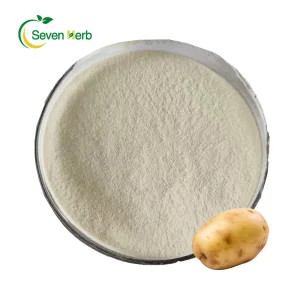
Resource efficiency is a primary driver in alternative protein innovation. Upcycling agricultural side-streams, such as extracting protein from potato starch processing wastewater or collecting brewer's spent grains, helps minimize environmental impact. Products like our Dehydrated Potato Protein Powder turn starch processing byproducts into valuable nutritional ingredients, creating sustainable, circular supply chains.
Consumers increasingly look for clean labels, avoiding artificial additives, chemical stabilizers, and texturizers. As a result, alternative proteins must provide natural functional benefits, such as clean water binding and oil binding, to replace chemical texturizers. In response, Hangzhou Entry Bio focuses on physical and natural enzymatic modifications to achieve desired functional properties without chemical additions.
Answers to common questions regarding specifications, applications, supply chain operations, and compliance.
Premium functional proteins, algae powders, and dietary fibers developed for sports nutrition, bakery, and health food applications.
 Entry Biology