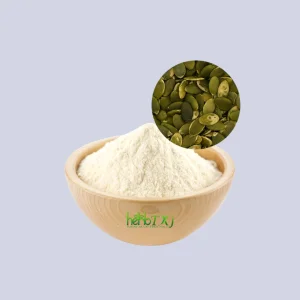
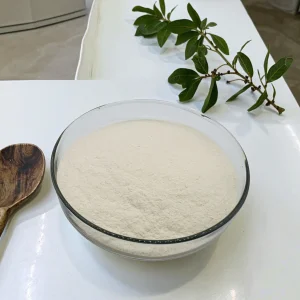
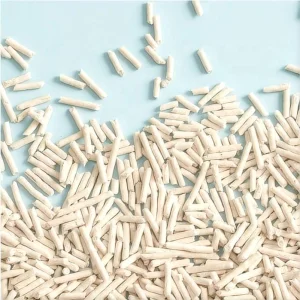
Explore our highly functional, clean-label raw materials optimized for dispersibility, bio-accessibility, and balanced amino acid profiles.
The global food industry is experiencing an unprecedented structural transition. The imperative to pivot towards plant-based protein systems is no longer merely a consumer lifestyle trend; it is a critical macroeconomic necessity. Driven by global supply chain volatility, decarbonization targets, ESG mandates, and shifting demographic preferences, commercial food manufacturers are re-engineering their core product portfolios. To maintain a competitive edge, developers require high-performance, functional, and bioavailable vegetal proteins that can act as direct replacements for animal-based analogs without sacrificing sensory parameters.
However, formulating with plant proteins presents complex organoleptic and physicochemical challenges: beaniness, grittiness, unstable emulsion under high temperature/pressure, and poor dispersibility in neutral pH liquids. As an expert B2B supply partner, Hangzhou Entry Bio Co., Ltd. resolves these bottlenecks at the molecular level. By utilizing controlled enzymatic hydrolysis, mechanical micronization, and thermal-mechanical modification, we supply raw materials that match or exceed the performance of traditional dairy and egg proteins, ensuring your finished formulations are not only nutritionally superior but commercially viable.
"The functional success of a plant protein lies in its processing chemistry. Our primary research focus targets improving the PDCAAS (Protein Digestibility-Corrected Amino Acid Score) and tailoring the nitrogen solubility index (NSI) to perform seamlessly under demanding food manufacturing conditions."
Hangzhou Entry Bio Co., Ltd. is a leading China vegetal protein manufacturer specializing in the research, production, and global supply of high-quality plant protein ingredients and food-grade protein solutions. With a strong commitment to innovation, quality, and sustainability, the company serves customers across the food, beverage, nutrition, and health industries worldwide.
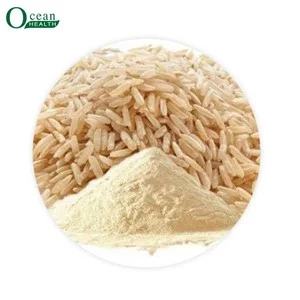
Leveraging advanced manufacturing technologies and strict quality management systems, Hangzhou Entry Bio Co., Ltd. offers a comprehensive portfolio of plant-based ingredients, including soy protein, pea protein, rice protein, textured vegetable protein, and customized protein blends. These products are widely used in meat alternatives, dairy alternatives, sports nutrition, functional foods, bakery products, beverages, and nutritional supplements.
Quality and food safety are at the core of the company's operations. From raw material sourcing to finished product delivery, every production stage is carefully monitored to ensure consistent quality, purity, and performance. The company adheres to international quality standards and continuously invests in product innovation to meet the evolving demands of the global plant-based market.
As a reliable plant protein ingredients supplier, Hangzhou Entry Bio Co., Ltd. also provides professional technical support and customized formulation services, helping customers develop competitive and market-oriented products. Backed by an experienced R&D team and efficient supply chain management, the company is capable of delivering tailored solutions for diverse application requirements.
Different botanical sources yield protein concentrates and isolates with highly distinct structural, physical, and chemical traits. Achieving optimal product integration requires matching the target application with the correct botanical source and extraction roadmap. Below is the technical roadmap demonstrating how we isolate, refine, and modify our core plant proteins to match target application behaviors.
Optimizes isolate purity. Raw plant meal is solubilized in alkaline conditions, centrifugally separated to remove insoluble fiber, and precipitated at the isoelectric point (pH 4.5) to harvest up to 90% protein isolate.
Utilizes endo- and exo-peptidases to break down hydrophobic polypeptides. This step effectively eliminates raw "beany" off-notes while producing highly soluble bioactive plant peptides.
Controls particle size distribution via air classification milling. Reducing the mean particle size below 80 microns dramatically mitigates sandiness or grittiness in ready-to-drink (RTD) plant shakes.
| Protein Type | Protein Content (%) | PDCAAS Value | Primary Functional Strength | Key Application Areas |
|---|---|---|---|---|
| Soy Protein Isolate | ≥ 90.0% | 1.00 | Excellent gelation, high emulsification | Meat alternatives, bakery, injection systems |
| Pea Protein Isolate | ≥ 80.0% - 85.0% | 0.89 | Hypoallergenic, high solubility, clean-label | Sports nutrition, infant formula, RTD beverages |
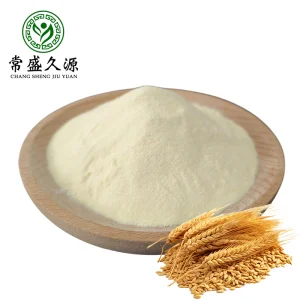
| Wheat Hydrolyzed Protein | ≥ 80.0% - 90.0% | 0.42 | High solubility, moisture retention, foaming | Functional baked goods, cosmetics, hair care |
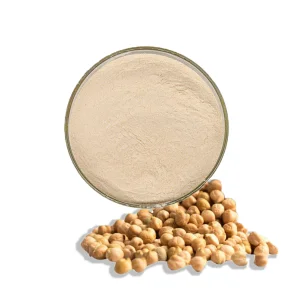
| Chickpea Protein Isolate | ≥ 80.0% | 0.78 | Neutral color & taste, low viscosity | Vegan dairy alternatives, dairy-free yogurts |
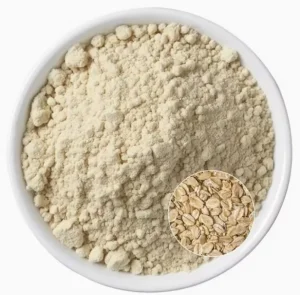
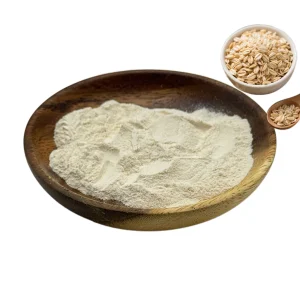
| Hydrolyzed Oat Peptide | ≥ 90.0% | 0.57 | Extremely bioavailable, skin barrier protection | Nutricosmetics, baby food, clinical nutrition |
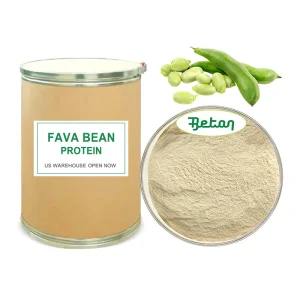
| Fava Bean Protein | ≥ 90.0% | 0.70 | Excellent whipping properties (albumen replacement) | Meringues, egg-free baking, confectionery |
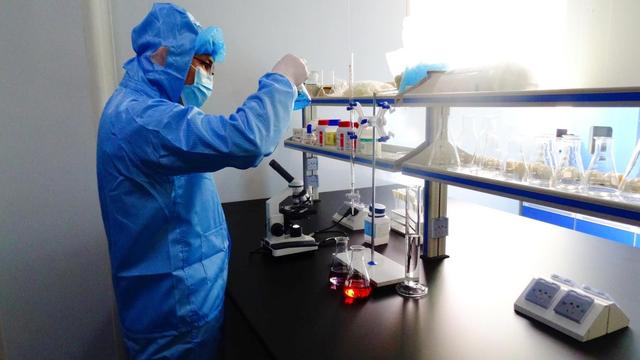
A visual tour inside Hangzhou Entry Bio's GMP-compliant processing lines, automated extraction systems, and quality control departments.

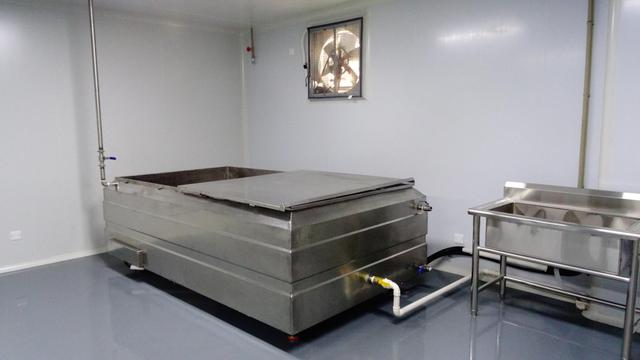
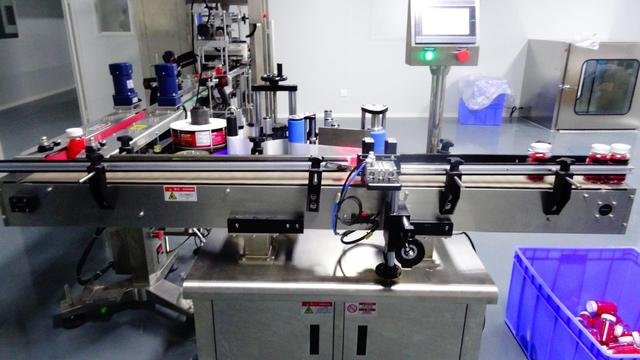
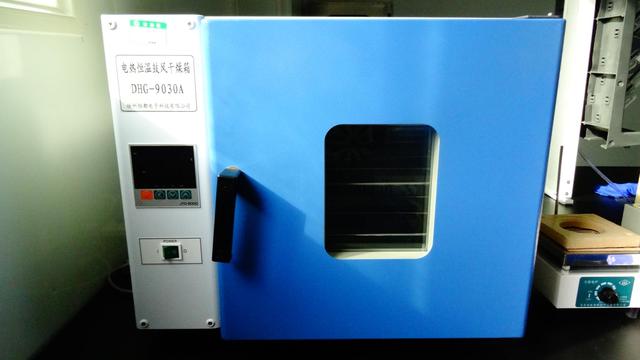
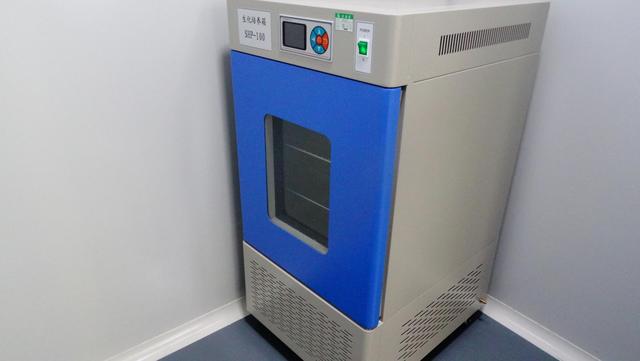
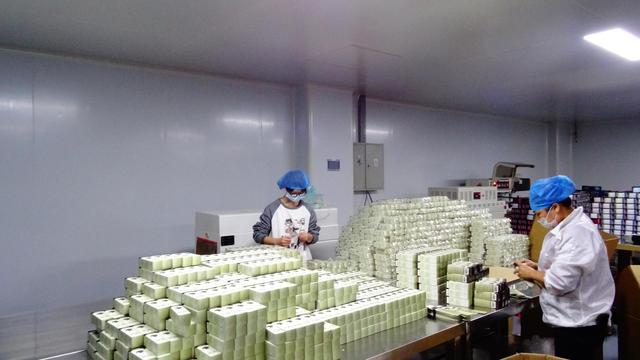



Designing a high-performance plant protein requires deep knowledge of the final matrix chemistry. Under the OEM/ODM service framework, our technical support engineers align with our global client base to deploy proteins optimized for localized consumer behaviors and specific manufacturing lines:
To eliminate sedimentation in ready-to-drink plant milks, we employ enzyme-assisted extraction techniques. This preserves solubility across wide pH ranges (down to pH 4.0 in acidic formulations) and ensures stability after UHT pasteurization.
Using textured soy and pea proteins with high cross-linking characteristics allows manufacturers to replicate the chewy, fibrous muscle texture of chicken and beef during high-moisture extrusion cooking (HMEC).
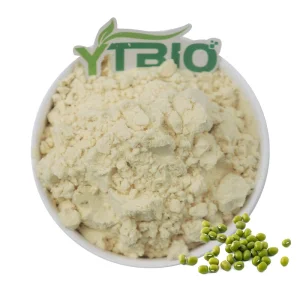
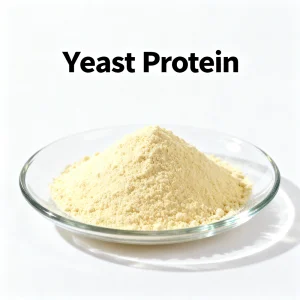
Leveraging USDA Organic Mung Bean and Yeast proteins provides allergen-friendly options. This enables brands to formulate infant nutrition, clean powder blends, and senior meals without soy or gluten concerns.
Our Hydrolyzed Oat Peptide and Wheat Protein fractions exhibit low molecular weights (<3000 Da) that easily penetrate the skin barrier, facilitating deep moisturization, anti-irritation, and structural repair in premium cosmetic lines.
Shipping bulk plant ingredients across borders demands absolute alignment with localized agricultural and sanitary standards. As a primary exporter, Hangzhou Entry Bio maintains a dedicated compliance department to ensure smooth customs and regulatory clearance worldwide:
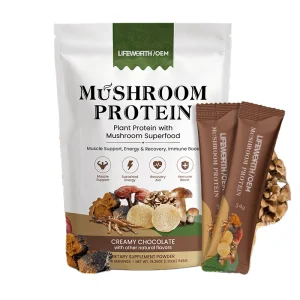
Expanding performance and purity with specialty grains, yeast derivatives, and allergen-free dietary solutions.
Below are responses to technical questions commonly raised by B2B food scientists, purchasing directors, and product development departments when selecting a manufacturing partner:
 Entry Biology