Explore our foundational range of clean-label isolates, hydrolysates, and custom blends engineered for global formulation standards.
Meeting the Rising Demand for Macro-Nutritional Density, Clean Formulations, and Sensory Excellence.
The global food industry is experiencing an unprecedented structural transformation. Driven by consumer awareness surrounding chronic metabolic health, longevity, and plant-based nutrition, breakfast cereals and snack foods are shifting from empty carbohydrate bases to high-protein, nutrient-dense configurations. High-protein cereals are no longer niche products targeting bodybuilders; they represent the main current of modern mainstream retail growth.
However, delivering high-density protein formulations (often target concentrations of 20% to 50% dynamic protein inclusion in extrusion matrices) introduces complex rheological challenges. Standard cereals utilize starches to achieve crispness, structural expansion, and air-cell integrity. As protein load increases, the starch matrix becomes disrupted, leading to issues like dense mouthfeel, high hardness, off-flavors, and reduced shelf stability.
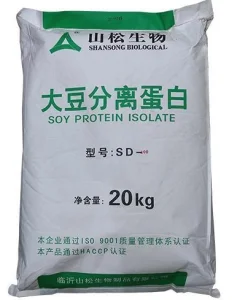
At Hangzhou Entry Bio Co., Ltd., we tackle these issues by engineering high-functional proteins (such as non-GMO Soy Protein Isolates and Textured Proteins) specifically optimized for wet and dry extrusion processes, securing sensory success alongside exceptional nutritional claims.
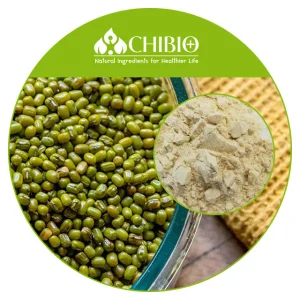
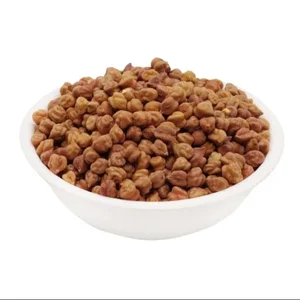
The transition from animal-based dairy and soy protein concentrates toward allergen-friendly alternatives like pea, mung bean, chickpea, and brown rice proteins. Formulators now seek synergized blends to optimize PDCAAS scores (Protein Digestibility-Corrected Amino Acid Score).
Historically, plant-based proteins suffered from astringency, bitterness, and earthiness. Advanced processing technology enables "Neutral Taste" profiles that reduce or completely bypass the need for flavor maskers, synthetic sweeteners, or high sugar levels.
B2B Sourcing guidelines, functional parameters, and compliance matrices for multi-national buyers.
Global procurement teams (particularly within the EU and North America) enforce zero tolerance for GMO traces. Upstream raw material transparency and strict separation lines are mandatory to certify clean agricultural supply chains from crop sourcing to protein extraction.
Within liquid systems (RTD protein shakes, meal replacement beverages, dairy analogs), low viscosity paired with excellent dispersibility is essential to prevent sedimentation and granular mouthfeel. Our specialized processes, like the Low Viscosity High Dispersity Soy Protein Isolate, ensure smooth viscosity even at maximum protein loads.
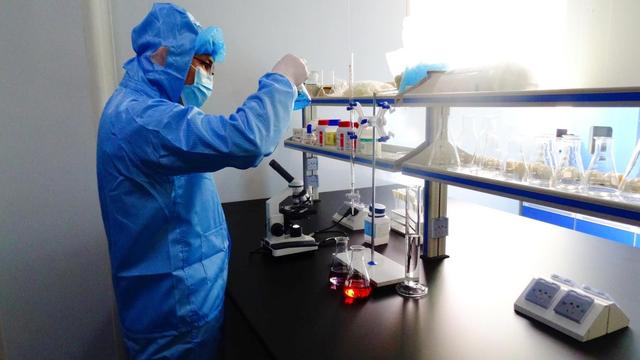
With stringent global contaminant regulations (e.g., California Proposition 65, European Food Safety Authority limits), raw materials must undergo extensive analysis. Quality assurance teams rely on advanced extraction protocols to limit heavy metals, pesticides, and microbial counts to near-undetectable thresholds.
Leveraging state-of-the-art technological infrastructures to ensure quality consistency and steady pricing under volatile global market conditions.
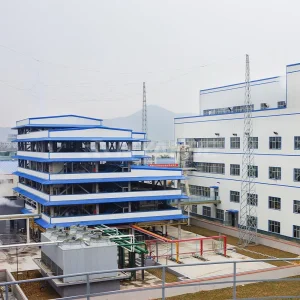
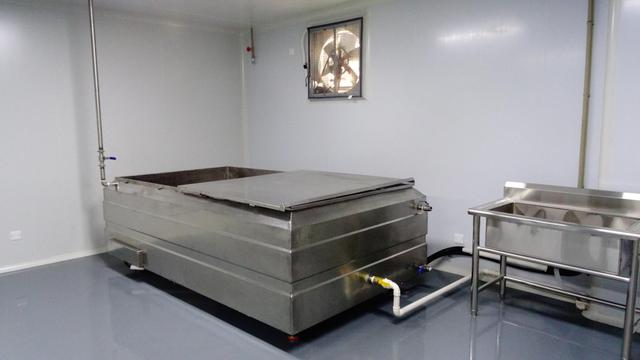
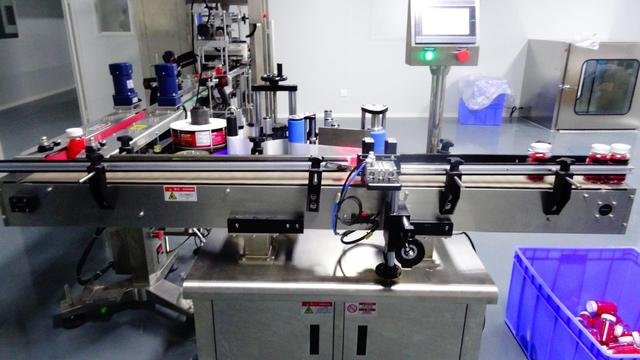
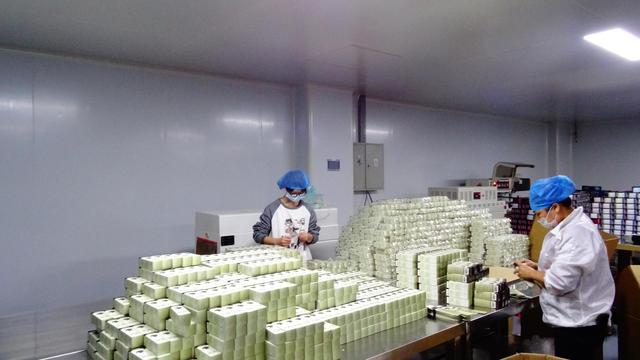
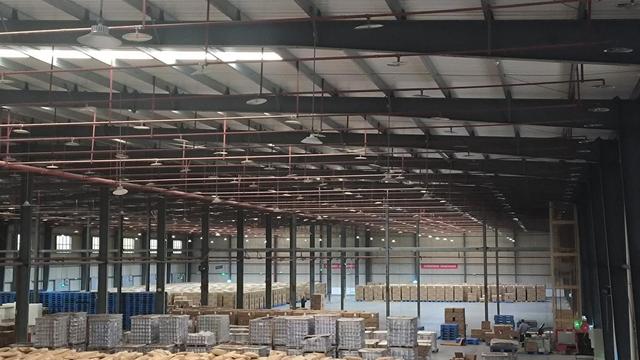
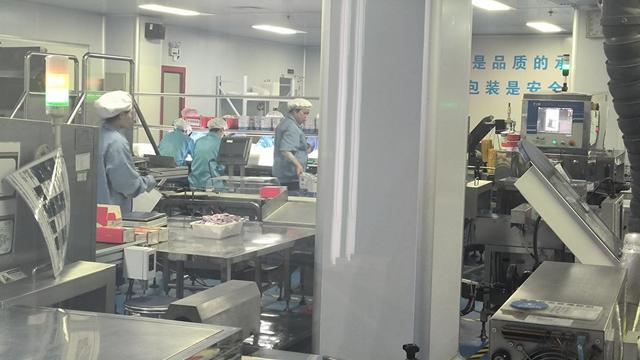
Modern food manufacturers demand more than high-grade proteins; they require highly integrated, risk-mitigated supply lines. Hangzhou Entry Bio Co., Ltd. applies Factory 4.0 principles to the vegetal protein extraction process. This encompasses closed-loop water systems, automated temperature-controlled spray drying towers, and real-time spectrophotometric quality analysis.
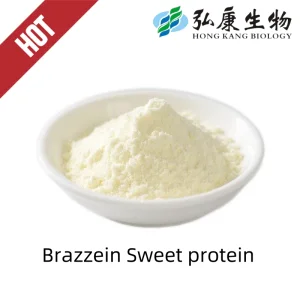
By running state-of-the-art automated production, we optimize extraction rates while containing operational overheads. This efficiency allows us to deliver high-quality, non-GMO plant proteins, custom formulation premixes, and specialty additives like Brazzein Sweet Protein SP200 at stable commercial rates, shielding global buyers from agricultural volatility.
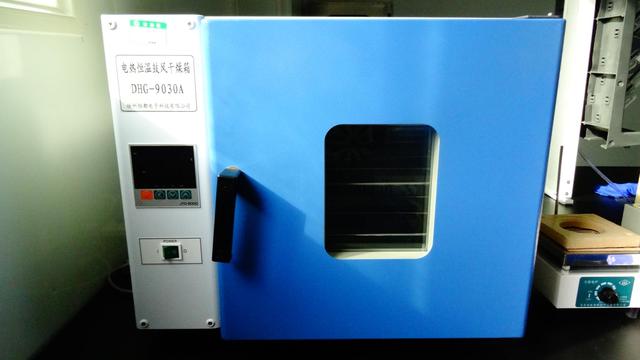
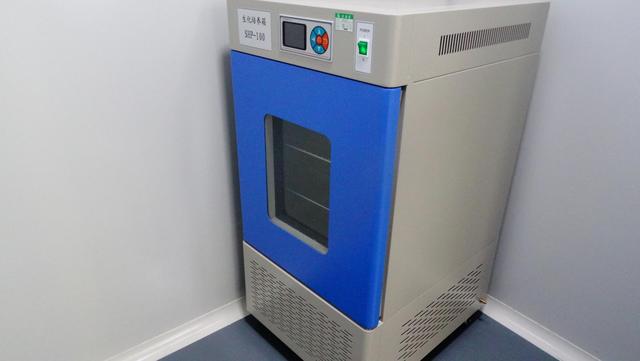
Our industrial processes are designed to mitigate downstream supply chain disruptions. Key infrastructure modules include:
A closer look at how plant protein isolates act as physical texturizers and functional elements across global food formats.
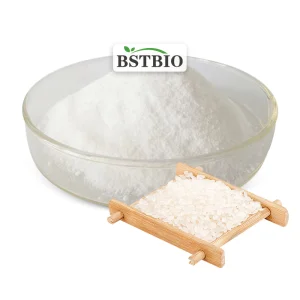
Incorporating Rice Protein Isolate or Soy Protein Isolate into cereal slurries before extrusion. This method ensures crispy expanding bubbles and structural rigidity, preventing rapid collapse and sogginess when submerged in milk or plant-based dairy alternatives.
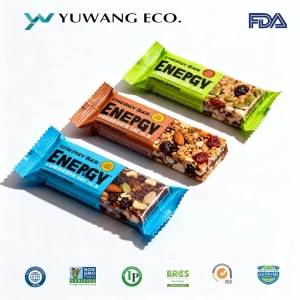
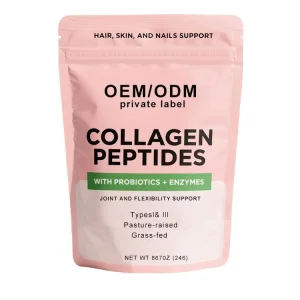
By blending low-viscosity isolates with Collagen Peptides, formulators can develop high-protein bars that resist hardening over their shelf life. These ingredients preserve a soft, chewable texture and stable moisture content, preventing moisture migration from the protein base to binders and humectants.
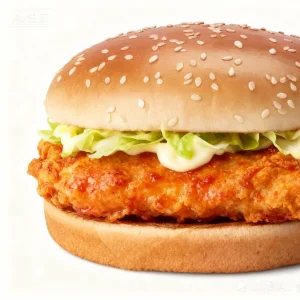
Using Textured Pea Protein Chunks to recreate animal-like muscle fiber structures. These ingredients offer excellent water-holding capacity and chewiness, making them ideal for plant-based patties, shredded poultry alternatives, and hot-fill retort operations.
A leading vegetal protein manufacturer specializing in the research, production, and global supply of high-quality plant protein ingredients.
Hangzhou Entry Bio Co., Ltd. is a leading China vegetal protein manufacturer specializing in the research, production, and global supply of high-quality plant protein ingredients and food-grade protein solutions. With a strong commitment to innovation, quality, and sustainability, the company serves customers across the food, beverage, nutrition, and health industries worldwide.
Leveraging advanced manufacturing technologies and strict quality management systems, Hangzhou Entry Bio Co., Ltd. offers a comprehensive portfolio of plant-based ingredients, including soy protein, pea protein, rice protein, textured vegetable protein, and customized protein blends. These products are widely used in meat alternatives, dairy alternatives, sports nutrition, functional foods, bakery products, beverages, and nutritional supplements.
Quality and food safety are at the core of the company's operations. From raw material sourcing to finished product delivery, every production stage is carefully monitored to ensure consistent quality, purity, and performance. The company adheres to international quality standards and continuously invests in product innovation to meet the evolving demands of the global plant-based market.
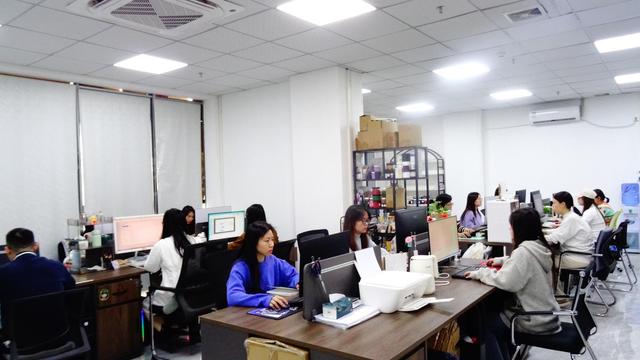
As a reliable plant protein ingredients supplier, Hangzhou Entry Bio Co., Ltd. also provides professional technical support and customized formulation services, helping customers develop competitive and market-oriented products. Backed by an experienced R&D team and efficient supply chain management, the company is capable of delivering tailored solutions for diverse application requirements.

Addressing the critical formulation, regulatory, and supply chain concerns of global food science professionals.
Discover our specialized range of seed and plant-derived proteins, designed for advanced functional and nutritional profiles.
 Entry Biology