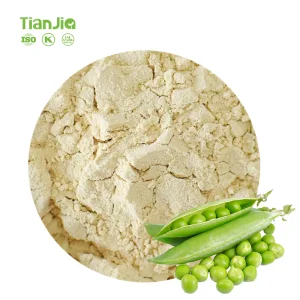
Highly digestible, allergen-reduced functional proteins designed for food stabilization, premium nutritional shakes, and advanced livestock feed solutions adapted for the Middle East and Central Asian markets.
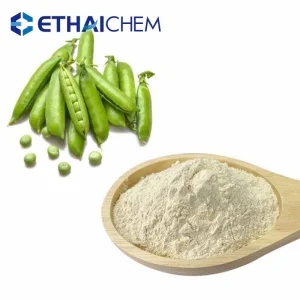
Afghanistan stands at a critical juncture in terms of agricultural development and public health nutrition. Historically reliant on traditional cereal cultivation, the region faces systemic challenges such as arid climates, restricted water resources, and supply chain blockades. Consequently, the demand for highly concentrated, shelf-stable, and easily transportable protein sources has surged. Fermented plant proteins represent an innovative bridge to close this regional nutrition gap.
By utilizing advanced microbial fermentation, raw plant materials like soy, pea, and rice are transformed into functional ingredients. This bio-conversion reduces antinutritional factors (such as phytates and protease inhibitors), enhancing the bioavailability of essential amino acids. In Afghanistan’s commercial poultry and livestock husbandry sector, introducing fermented feed proteins directly optimizes feed conversion ratios (FCR) and mitigates digestive pathology—driving economic efficiency for local farmers in Kabul, Herat, and Mazar-i-Sharif.
The global plant-based protein market is undergoing a structural shift from simple mechanical isolates to biochemically modified ingredients. Microbial fermentation—encompassing biomass fermentation, precision fermentation, and traditional solid-state and submerged fermentation—is the vanguard of this evolution. Globally, industries are moving away from chemical extraction methods, prioritizing biological processing to preserve nutritional integrity and deliver clean-label solutions.
In major consumer markets across North America, Europe, and Asia, fermented pea and soy proteins are highly valued for their superior emulsifying properties, solubility, and neutral flavor profiles. Removing the characteristic "beany" taste of raw legumes allows manufacturers to formulate dairy alternatives, sports nutrition powders, and meat analogs with minimal additives. As global supply chains face volatile pricing, establishing robust production nodes and exporter networks to developing regions like Afghanistan is essential to stabilize global food security.
Our commitment to research-driven manufacturing guarantees elite-tier physical, chemical, and biological parameters for global and regional buyers.
International NGOs and local relief agencies operating in Afghanistan require high-calorie, high-protein formulations to combat childhood wasting. Our fermented pea and soy proteins provide the ideal base for Ready-to-Use Therapeutic Foods (RUTFs), offering safe, allergen-minimized, and easily absorbable nutrition that can be stored in ambient temperatures.
Livestock farming is a pillar of rural Afghan livelihoods. By using fermented soy protein isolates and hydrolysates, feed compounders can produce high-efficiency starter feeds for poultry and aquaculture. This reduces animal mortality rates and accelerates growth cycles without relying on expensive imported fishmeal.
Local commercial bakeries and flour mills in Kabul can blend our clean-tasting fermented protein powders into flatbreads (Naan) and infant cereals. This directly addresses chronic micronutrient and protein deficiencies at the population level without altering the traditional taste and texture of local foods.
Our R&D roadmap focuses on maximizing bio-efficacy and processing sustainability. By optimizing the microbial consortia used in the fermentation step, we are driving down energy costs and raising the functional characteristics of the proteins.
Using non-GMO Bacillus subtilis and Lactobacillus strains selected specifically for their high protease activity, ensuring the complete breakdown of complex plant globulins into bio-available oligopeptides.
Transitioning to zero-waste solid-state fermentation designs that drastically lower water consumption, recycling agricultural by-products back into the biological system.
Combining physical fermentation with precise enzymatic steps to generate tailored molecular weight profiles, optimizing proteins for rapid solubility in beverage and clinical nutrition formats.
As a premier Chinese vegetal protein manufacturer, Hangzhou Entry Bio Co., Ltd. plays a vital role in securing supply chains for global markets, including Afghanistan. Operating state-of-the-art facilities equipped with advanced extraction and spray-drying towers, we provide reliable, high-volume production capacity that insulates buyers from local market volatility.
Leveraging the infrastructure of regional trade corridors, we facilitate logistics routes from our China factories through Central Asian transit networks directly to major Afghan distribution points. Our logistics team handles complex customs clearance, transit documentation, and quality validation processes, ensuring prompt and safe arrival of our shipments. With robust raw material sourcing and rigorous quality control systems, Hangzhou Entry Bio Co., Ltd. is your long-term, trusted partner for clean-label vegetable proteins.
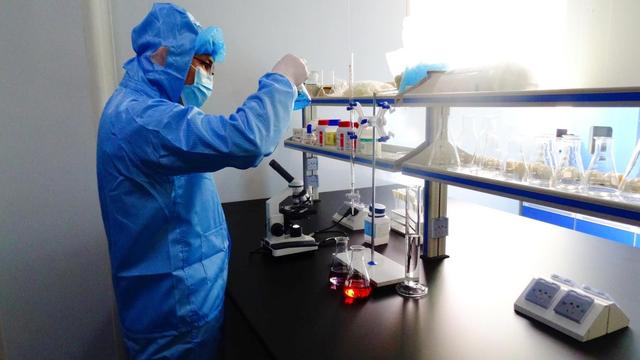
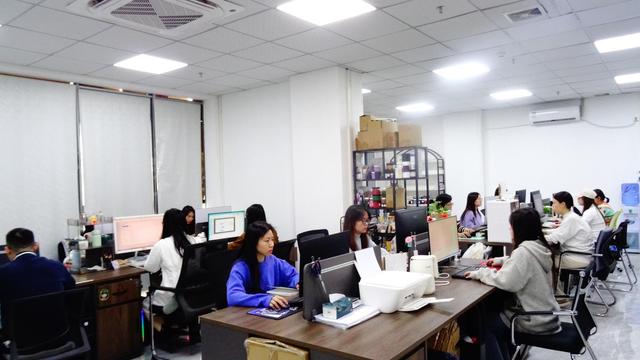
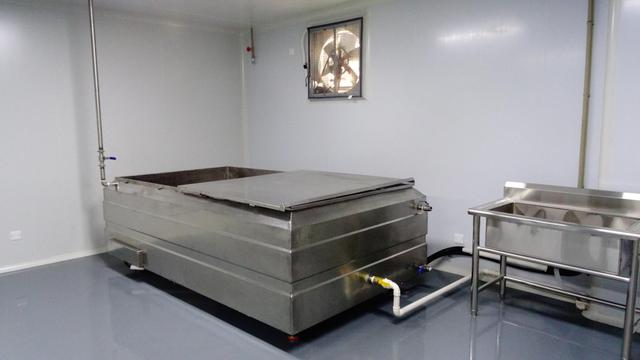
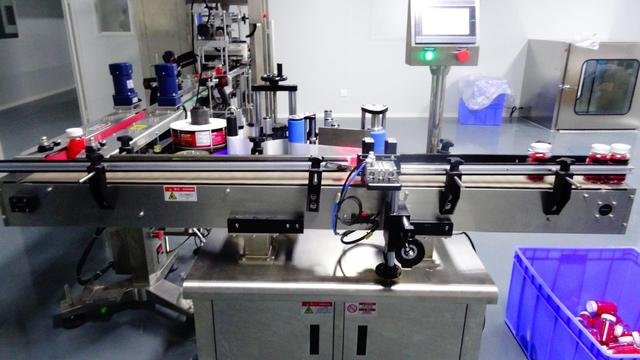
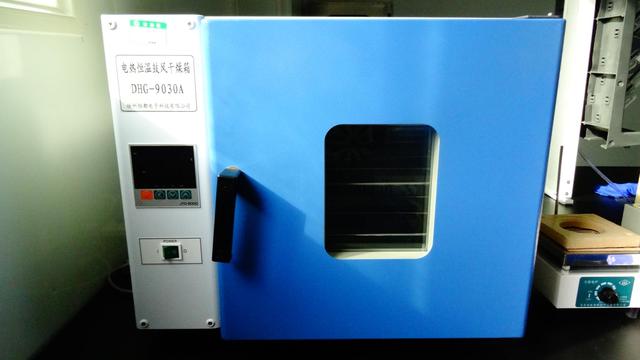
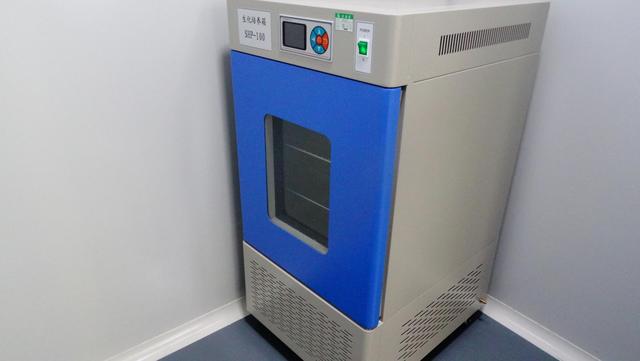
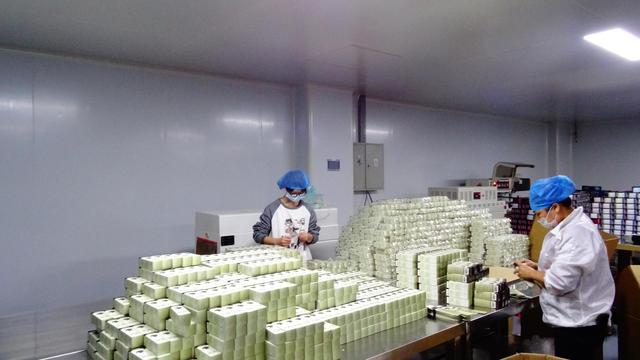
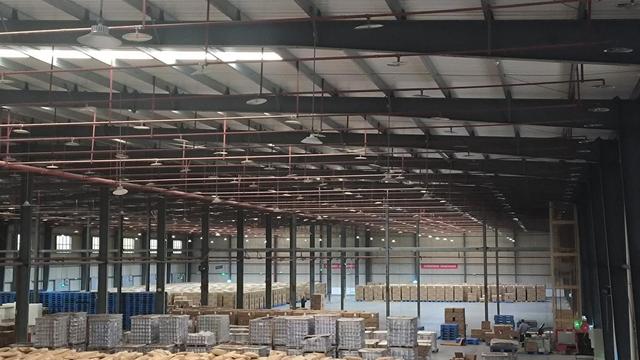


Targeted protein structures engineered for demanding food stabilizer applications, allergen-free recipes, and customized industrial protein blends.
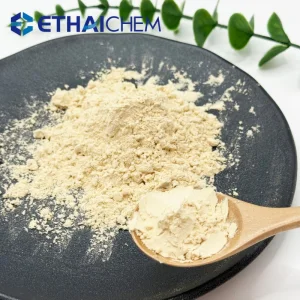
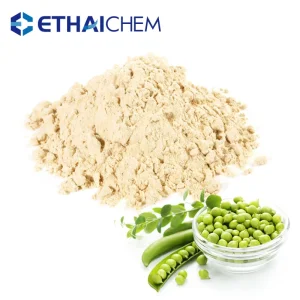
Importing raw materials into Afghanistan requires strict adherence to cultural, religious, and logistical parameters. All vegetable protein solutions exported by Hangzhou Entry Bio Co., Ltd. are certified Halal and Kosher, ensuring compatibility with the culinary standards of the Middle East and Central Asia. We provide comprehensive paperwork including phytosanitary certificates, certificates of analysis (CoA), and allergen declarations.
Additionally, we work closely with local distribution hubs and transport agencies to ensure our shipments comply with the customs regulations of Afghanistan. Our technical service team provides expert formulation support, helping local processors adjust their processes to make the most of our fermented plant proteins in their final products.
High-capacity botanical proteins sourced from non-GMO soy and pea crops, processed under sterile conditions for maximum purity and quality assurance.
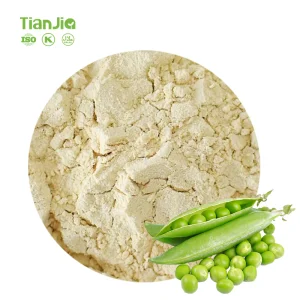
Providing technical, commercial, and logistical clarity for businesses sourcing fermented plant proteins for the Afghan market.
Fermentation utilizes micro-organisms to break down anti-nutritional factors (such as phytates and lectins) present in raw legumes. This process dramatically increases protein digestibility (PDCAAS), improves the amino acid absorption profile, and removes the "beany" taste, resulting in a cleaner flavor and better solubility.
Yes. All of our plant protein ingredients, including soy, pea, and custom blends, are manufactured under strict supervision and are certified Halal and Kosher. We provide valid certification paperwork with every shipment to ensure trouble-free customs clearance in Afghanistan and neighboring regions.
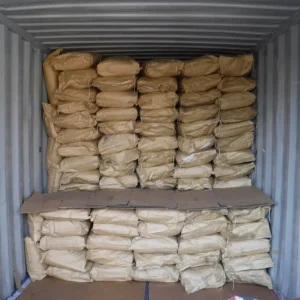
Our products are packed in multi-layer moisture-barrier paper-plastic bags and sealed under strict hygrometric conditions. When stored in a cool, dry place away from direct sunlight, they maintain a shelf life of 24 months, making them well-suited for regions with seasonal temperature variations.
We utilize established Central Asian rail networks and direct overland trucking routes, as well as sea shipping to regional transit ports (such as Karachi or Gwadar) followed by secure road transport through border crossings. We manage the transit documentation to ensure reliable delivery.
Yes. Our experienced R&D department can customize protein concentrations, particle sizes, solubility indexes, and fortify the blends with specific micronutrients to meet the exact requirements of food aid organizations and commercial food manufacturers.
Our standard MOQ for export orders is 1 metric ton (1,000 kg). However, for test formulations or specialized NGO trials, we can accommodate smaller trial quantities. Please contact our sales team to discuss your specific needs.
Partner with Hangzhou Entry Bio Co., Ltd. for reliable bulk supply, consistent quality, and customized plant protein solutions tailored for the Afghan market.
 Entry Biology