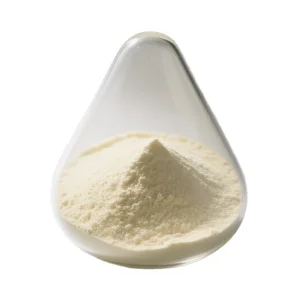
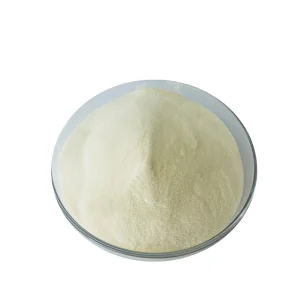
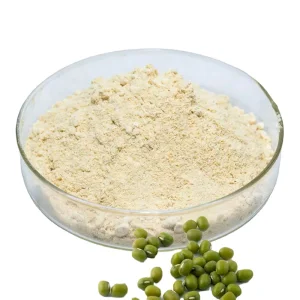
Engineered specifically to meet the high functional demands of the Canadian sports nutrition, plant-based dairy, and clean-label dietary supplement sectors.
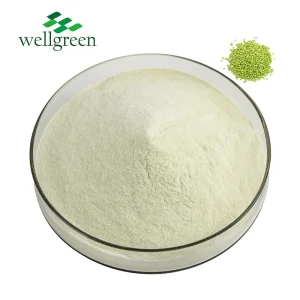
The Greater Toronto Area represents the second-largest food and beverage manufacturing sector in North America, acting as a critical node for consumer-packaged goods (CPG) innovation. As regional consumers demand clean-label, hypoallergenic, and non-GMO plant formulations, food processors are actively replacing traditional soy and wheat binders. Mung bean protein (derived from Vigna radiata) has emerged as the premier ingredient solution due to its exceptional functional profile, gelation properties, and allergen-friendly classification.
Our extraction lines target the globulin and albumin protein fractions within the mung bean seed structure. Legumin (11S) and vicilin-like (7S) globulins constitute over 80% of the total protein isolate, dictating the ingredient's thermal gelation performance. For manufacturers developing plant-based egg alternatives (liquid or patties) in Toronto's meat-analogue hubs, the thermal gelation temperature threshold of 75°C to 82°C allows for a realistic coagulating bite that mimics natural chicken egg ovalbumin.
Global supply networks for functional plant isolates are often subject to unpredictable quality degradation and batch-to-batch variations. Hangzhou Entry Bio Co., Ltd. addresses this gap by implementing advanced wet-processing extraction and closed-loop filtration loops. By managing the supply chain from raw seed sourcing to spray drying, we guarantee a minimum of 80% to 90% protein purity, ensuring consistent viscosity and texture across large industrial runs in Canada.
Mung beans are nitrogen-fixing legumes that require substantially less water than almond or soy crops, reducing agricultural input dependencies. Incorporating mung bean proteins into retail formulations aligns with Canada’s Net-Zero Greenhouse Gas Emissions by 2050 mandate, offering food brands verified carbon-reduction data points to utilize in their corporate ESG auditing reporting.
Empowering Toronto’s commercial brands with reliable volume supply, absolute traceability, and international regulatory alignment.
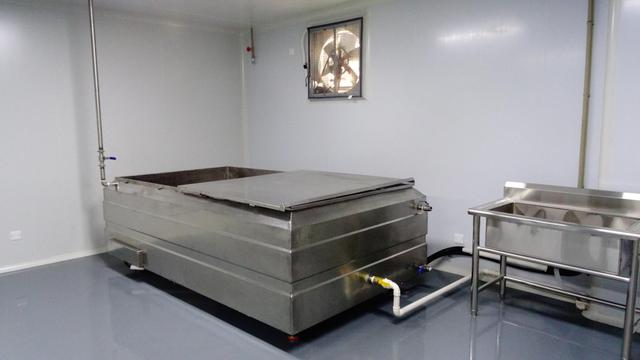
Employing high-yield, low-temperature isolation technologies to preserve the native conformational state of mung bean proteins.
Raw non-GMO mung beans are dry-milled and dehulled to isolate the starchy endosperm, preventing tannin contamination.
Mild alkaline solubilization releases proteins into solution while preventing denaturation of sensitive globulin chains.
Centrifugation at the exact isoelectric point isolates high-density protein curd away from soluble sugars.
Flash drying parameters guarantee clean particle size distribution, optimizing dispersion rates in cold liquid systems.
Consumer research across the Greater Toronto Area signals a distinct shift toward hybrid-diet styles and clean-label diets. Food manufacturers must navigate technical hurdles related to texture, stability, and allergen declarations. Our mung bean protein lineup provides dedicated solutions across four primary macro sectors:
Traditional egg replacements rely on complex starch-hydrocolloid mixtures that fail to cook, coagulate, or taste like poultry eggs. Our specialized 80% and 90% isolates feature the exact thermal gelation profile required to replicate the coagulative properties of egg albumin. Ideal for pourable vegan eggs, commercial baking pre-mixes, and frozen breakfast foods.
Stablizing plant-based milk formulations without carrageenan or excessive thickeners is a notorious formulation challenge. The native globulin structure of our mung bean protein isolate forms highly stable oil-in-water emulsions. It remains stable at pH ranges of 6.2 to 6.8, resisting curdling or precipitation in hot coffee formulations.
By adjusting disulfide linkages during extrusion processing, our mung bean proteins can be processed through High Moisture Extrusion (HME) alongside pea or faba proteins. The resulting structured proteins deliver high tensile strength, satisfying fiber tearing, and a firm bite in plant-based burger patties, sausages, and poultry analogues.
Importing agricultural derivatives into Canada requires thorough verification of food safety protocols and supply chains. Under the Safe Food for Canadians Regulations (SFCR), manufacturers in Ontario must assure complete traceability for all incoming biological ingredients. Hangzhou Entry Bio Co., Ltd. provides comprehensive documentation and analytical validation for all bulk deliveries bound for Canada.
We work in collaboration with customs brokers and regional warehouses across Toronto and Mississauga. This logistical framework ensures consistent LTL and FTL deliveries, minimizing port delays and supply chain friction for our Canadian partners.
A global leader in functional plant-based ingredients and bespoke protein processing.
Hangzhou Entry Bio Co., Ltd. is a leading China vegetal protein manufacturer specializing in the research, production, and global supply of high-quality plant protein ingredients and food-grade protein solutions. With a strong commitment to innovation, quality, and sustainability, the company serves customers across the food, beverage, nutrition, and health industries worldwide.
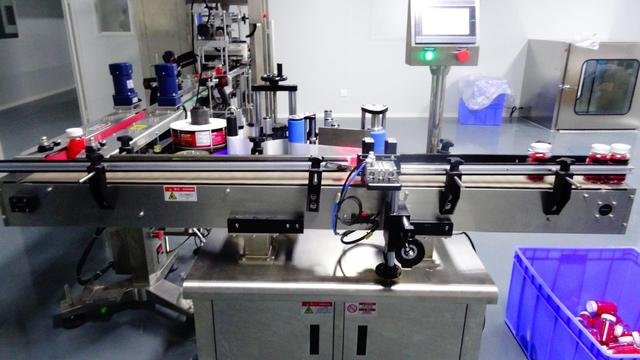
Leveraging advanced manufacturing technologies and strict quality management systems, Hangzhou Entry Bio Co., Ltd. offers a comprehensive portfolio of plant-based ingredients, including soy protein, pea protein, rice protein, textured vegetable protein, and customized protein blends. These products are widely used in meat alternatives, dairy alternatives, sports nutrition, functional foods, bakery products, beverages, and nutritional supplements.
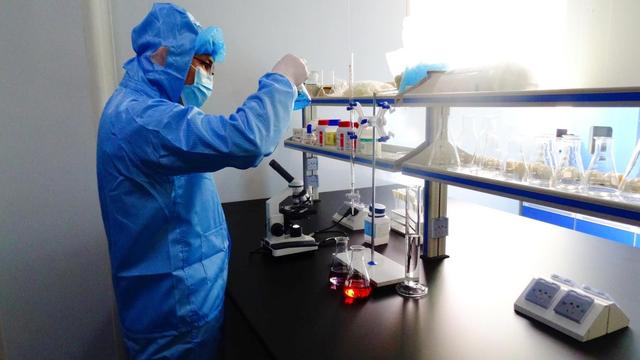
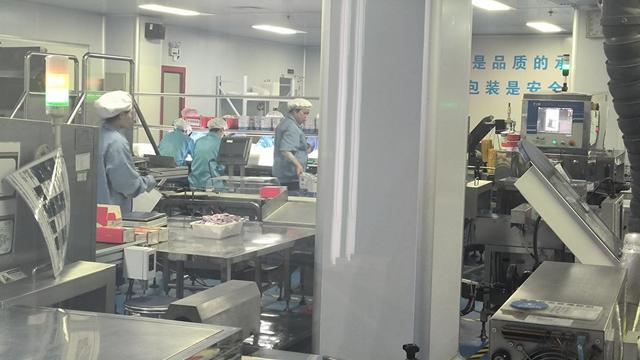
Quality and food safety are at the core of the company's operations. From raw material sourcing to finished product delivery, every production stage is carefully monitored to ensure consistent quality, purity, and performance. The company adheres to international quality standards and continuously invests in product innovation to meet the evolving demands of the global plant-based market.
As a reliable plant protein ingredients supplier, Hangzhou Entry Bio Co., Ltd. also provides professional technical support and customized formulation services, helping customers develop competitive and market-oriented products. Backed by an experienced R&D team and efficient supply chain management, the company is capable of delivering tailored solutions for diverse application requirements.
Dedicated to promoting sustainable nutrition and healthy lifestyles, Hangzhou Entry Bio Co., Ltd. strives to be a trusted global partner for food manufacturers seeking premium vegetal proteins and innovative food-grade protein solutions.

Select functional grades developed for immediate application scaling across Ontario's industrial and retail plant-based markets.
Addressing common formulation challenges, extraction parameters, and logistical inquiries for food scientists.
 Entry Biology