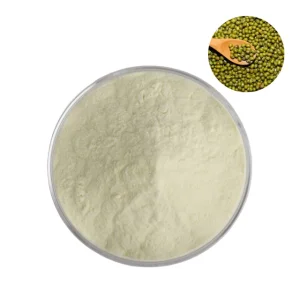
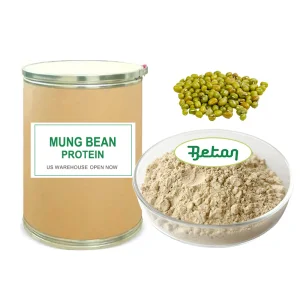
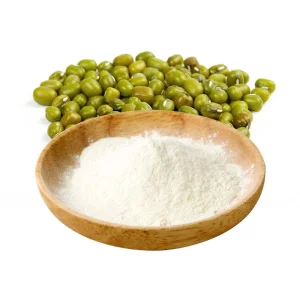
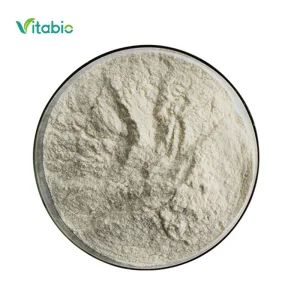
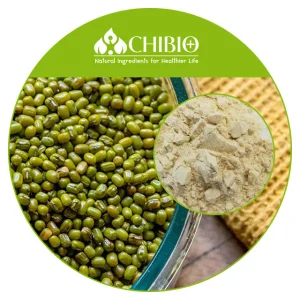
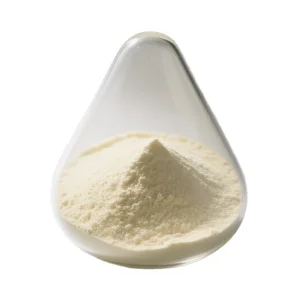
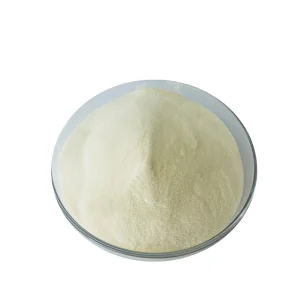
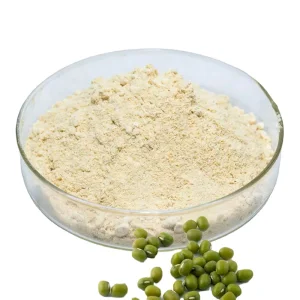
Direct supply options optimized for regional dry-mix, nutritional, and industrial plant-protein applications in Central and Eastern Europe.
Serbia's food processing industry is experiencing a profound paradigm shift. Driven by changing consumer demographics, rising clean-label demands, and the growth of the EU-accession regulatory framework, food manufacturers in Belgrade, Novi Sad, and Niš are seeking innovative alternatives to traditional soy and dairy proteins. The integration of Mung Bean Protein (extracted from Vigna radiata) represents the next frontier in clean-label, allergen-free food science.
Unlike soy, which faces issues regarding GMO status and allergen declarations, or pea protein, which often imparts a harsh earthy flavor profile, mung bean protein offers exceptional organoleptic neutrality and highly versatile functional characteristics. Specifically, its superb gelling capabilities and heat stability make it an ideal clean-label texturizer for both dairy alternatives and high-yield meat formulations.
Serbia serves as a major agricultural and food export hub to both the EU and Eurasian Custom Union. To maintain export competitiveness, Serbian processors require high-performance plant proteins that satisfy clean-label directives.
Mung bean protein's outstanding water-binding capacities enable optimal textural replacement in Serbian bakery (kifle, pite) and confectioneries during religious fasting cycles.
Allows brand owners to replace chemical additives (stabilizers, starch modifiers) with a functional plant-based protein ingredient.
An in-depth analysis of the bio-chemical, structural, and global macroeconomic dynamics shifting procurement trends toward Vigna Radiata isolates.
Climatic challenges and trade tariffs have exposed vulnerabilities in standard pea and soy corridors. Mung bean cultivation, widely distributed across resilient agro-ecological zones, offers stable supply chains and predictable futures pricing for food producers looking to hedge long-term ingredient contracts.
Mung bean proteins feature a high globulin fraction (8S), enabling the formation of cohesive gel networks at lower denaturation temperatures than pea protein. This yields superior bite and texture in processed meat analogues and structured seafood alternatives.
Our sophisticated proprietary processing steps eliminate "beany" off-notes, grassy aromas, and bitter saponins. The result is a neutral-tasting powder that minimizes or completely eliminates the need for expensive flavor-masking compounds in plant-based milk and protein powder formulations.
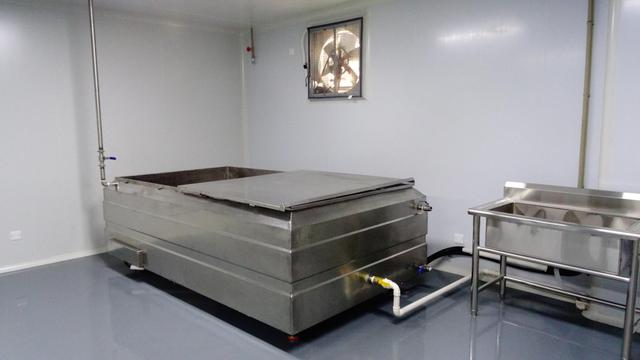
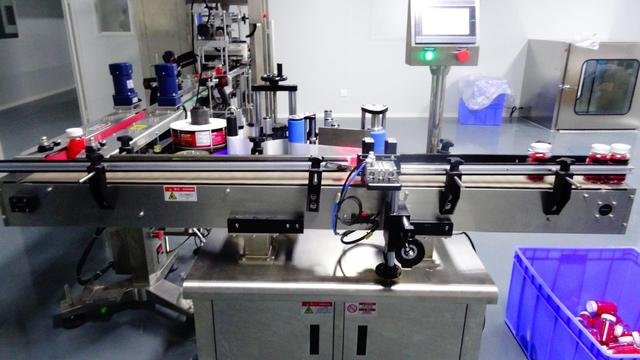
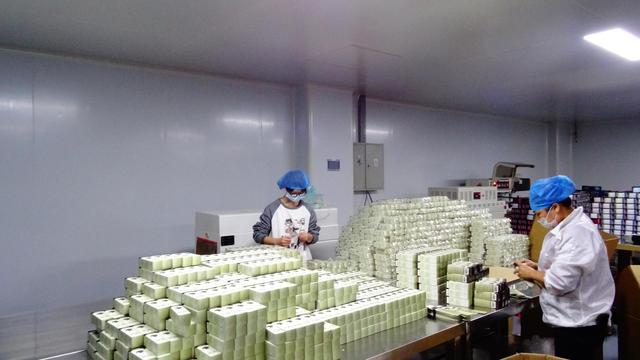
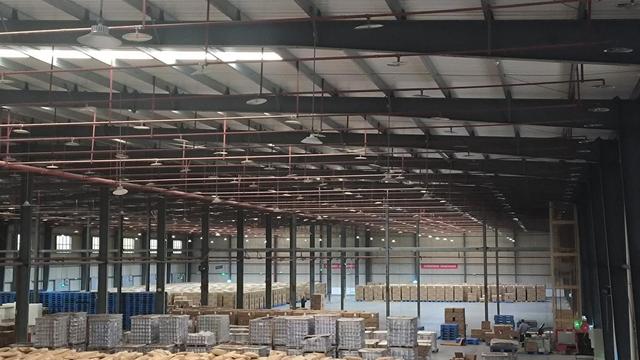
Hangzhou Entry Bio Co., Ltd. leads the industrial transition toward fully automated, digitally managed plant protein extraction. Our Factory 4.0 infrastructure utilizes closed-loop automated PLC systems to ensure absolute consistency in batch-to-batch physical parameters, including particle size, bulk density, and protein solubility.
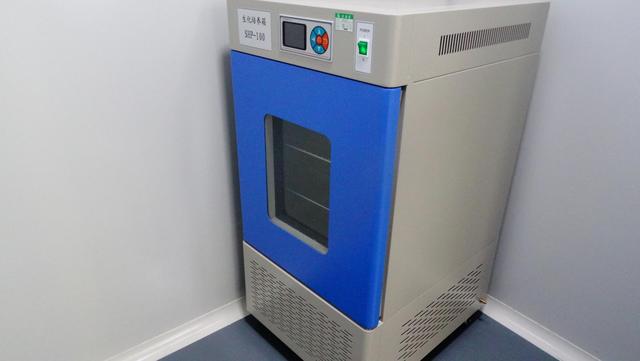
Operating under stringent GMP, FSSC 22000, and ISO standards, our facilities ensure full traceability from raw mung bean grain to the packaged isolate. For Serbian processors, this digital control eliminates variability in final product viscosity, allowing for seamless integration into existing processing lines.
By optimizing energy consumption and water recycling during the isolation phase, our manufacturing lines minimize the carbon footprint, supporting our clients' corporate sustainability targets and ESG audits.
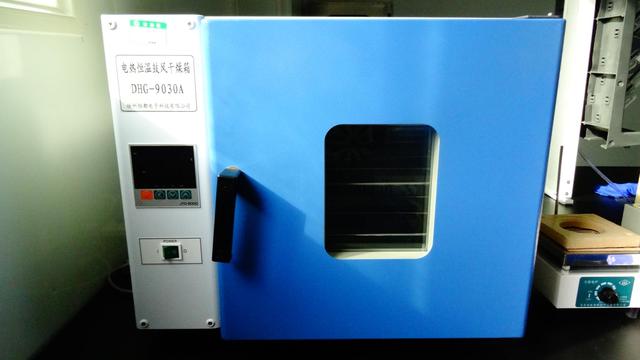
We perform systematic verification of all physiochemical properties to guarantee compliance with international food regulations:
| Test Parameter | Specification Limit | Methodology |
|---|---|---|
| Assay (Dry Basis) | ≥ 90.0% / ≥ 80.0% | Kjeldahl Nitrogen × 6.25 |
| Moisture Content | ≤ 8.0% | Loss on Drying |
| Heavy Metals (as Pb) | ≤ 10 ppm | ICP-MS Validation |
| Total Plate Count | ≤ 10,000 cfu/g | Microbiological Culturing |
How food technologists across major Serbian cities are deploying mung bean proteins to solve specific processing challenges.
Serbian bakers are using mung bean peptides and isolates to fortify high-protein breads, crackers, and crusts. Because of its excellent water binding capacity, it improves crumb structure, prevents staling, and retains moisture without compromising taste or texture.
During the religious fasting seasons, plant-based spreads, cheeses, and beverages see a massive surge in local demand. Mung bean isolate exhibits superior emulsification index values compared to pea protein, resulting in stable, creamy plant milks and block-style cheeses that melt smoothly.
For active lifestyle brands in Belgrade and Novi Sad, mung bean protein offers a complete amino acid profile (high in lysine and leucine). When blended with rice protein, it matches whey's PDCAAS scores, providing a premium, allergen-free plant protein powder for performance recovery.
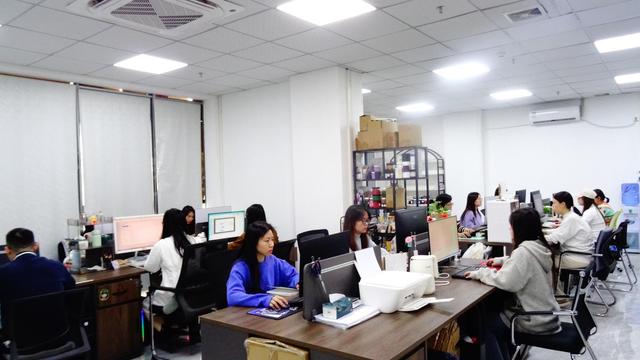
Hangzhou Entry Bio Co., Ltd. is a leading China vegetal protein manufacturer specializing in the research, production, and global supply of high-quality plant protein ingredients and food-grade protein solutions. With a strong commitment to innovation, quality, and sustainability, the company serves customers across the food, beverage, nutrition, and health industries worldwide.
Leveraging advanced manufacturing technologies and strict quality management systems, Hangzhou Entry Bio Co., Ltd. offers a comprehensive portfolio of plant-based ingredients, including soy protein, pea protein, rice protein, textured vegetable protein, and customized protein blends. These products are widely used in meat alternatives, dairy alternatives, sports nutrition, functional foods, bakery products, beverages, and nutritional supplements.
Quality and food safety are at the core of the company's operations. From raw material sourcing to finished product delivery, every production stage is carefully monitored to ensure consistent quality, purity, and performance. The company adheres to international quality standards and continuously invests in product innovation to meet the evolving demands of the global plant-based market.
As a reliable plant protein ingredients supplier, Hangzhou Entry Bio Co., Ltd. also provides professional technical support and customized formulation services, helping customers develop competitive and market-oriented products. Backed by an experienced R&D team and efficient supply chain management, the company is capable of delivering tailored solutions for diverse application requirements.
Dedicated to promoting sustainable nutrition and healthy lifestyles, Hangzhou Entry Bio Co., Ltd. strives to be a trusted global partner for food manufacturers seeking premium vegetal proteins and innovative food-grade protein solutions.



Our complete range of food-grade isolates, peptides, and organic concentrates designed to optimize food formulations in Central Europe.
Get professional answers regarding specifications, functionality, importation rules, and application options for mung bean proteins in Serbia.
 Entry Biology