Engineered to resolve specific solubility and nutritional challenges in West African consumer markets.
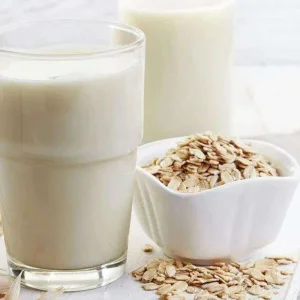
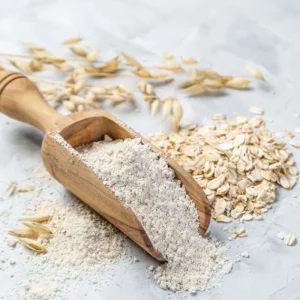
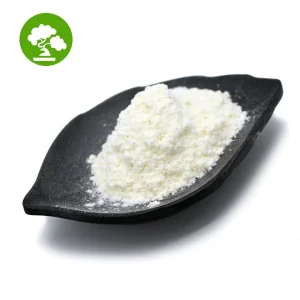
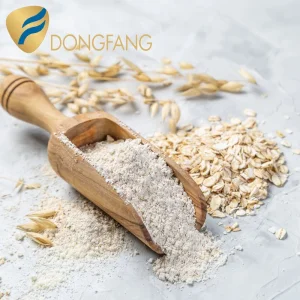
The global plant-based protein market has seen exponential growth, shifting from a niche vegetarian alternative to a mainstream macro-nutrient source. Historically, soy and pea proteins dominated these markets. However, the rise of "Clean Label" standards and the need for hypoallergenic protein alternatives have accelerated the global demand for Oat Protein. Oat protein features a balanced amino acid profile, high digestibility (PDCAAS values), and exceptional emulsifying properties, making it highly valued by researchers and developers.
In Nigeria, the macroeconomic framework is undergoing rapid transformations. As the largest economy in West Africa, Nigeria is seeing rising consumer interest in health products, urbanization, and a shift towards dairy-free and plant-based foods in cities like Lagos, Abuja, and Port Harcourt. Inflation and supply chain challenges with imported dairy powder have prompted food and beverage manufacturers to seek cost-effective, high-performing plant protein replacements. Oat protein offers a functional, premium alternative that fits these requirements.
Integrating oat protein into dairy-alternative beverages, biscuits, and high-protein breakfast items can help lower import dependency on expensive milk solids while maintaining the taste and texture required by consumers.
Understanding how oat protein compares functionally to other protein options is key for food scientists and procurement specialists:
| Functional Metric | Enzymatic Hydrolyzed Oat Protein | Soy Protein Isolate (SPI) | Pea Protein Isolate | |
|---|---|---|---|---|
| Allergenicity Risk | Hypoallergenic / Extremely Low | High (Soy is a major allergen) | Low | |
| Flavor Profile | Mildly sweet, creamy cereal note | Beany, earthy (requires masking agents) | Bitter, green, vegetative notes | Grass-like, strong plant taste |
| Solubility (Acidic Range) | Excellent (Hydrolyzed forms) | Moderate to Poor | Poor (Prone to precipitation) | |
| Viscosity Control | Smooth mouthfeel, low grittiness | High viscosity (hard to handle at high doses) | Sandy/chalky texture in liquids | |
| NAFDAC Acceptance Rate | Highly favorable (clean label) | Standard | Standard |
Premium functional gradients utilizing molecular enzyme technologies for active skincare and high-solubility dairy-free formulas.
How manufacturers are utilizing oat proteins to create competitive market products.
With urbanization in Lagos, Abuja, and Port Harcourt, consumers are looking for alternatives to cow's milk due to lactose intolerance or a preference for modern health products. Hydrolyzed oat protein is used here because it mixes well and does not settle out over time, providing a stable, creamy plant milk that holds up even under tropical temperatures.
Oat proteins have been shown to help soothe itchy or dry skin by supporting the skin barrier. Hydrolyzed oat protein is used in Nigerian cosmetic lines, often combined with shea butter or neem oil, to help lock in moisture. In hair care, it binds to curly and coily hair shafts, improving tensile strength and moisture retention.
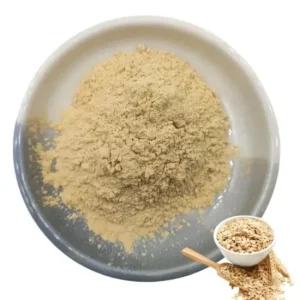
Oats are well-suited for fortifying local food products like weaning foods and cereal blends. Using hydrolyzed oat protein allows manufacturers to boost the protein content of maize, sorghum, or millet products without affecting their taste, helping support local food security and child nutrition programs.
Hangzhou Entry Bio Co., Ltd. is a leading China vegetal protein manufacturer specializing in the research, production, and global supply of high-quality plant protein ingredients and food-grade protein solutions. With a strong commitment to innovation, quality, and sustainability, the company serves customers across the food, beverage, nutrition, and health industries worldwide.
Leveraging advanced manufacturing technologies and strict quality management systems, Hangzhou Entry Bio Co., Ltd. offers a comprehensive portfolio of plant-based ingredients, including soy protein, pea protein, rice protein, textured vegetable protein, and customized protein blends. These products are widely used in meat alternatives, dairy alternatives, sports nutrition, functional foods, bakery products, beverages, and nutritional supplements.
Quality and food safety are at the core of the company's operations. From raw material sourcing to finished product delivery, every production stage is carefully monitored to ensure consistent quality, purity, and performance. The company adheres to international quality standards and continuously invests in product innovation to meet the evolving demands of the global plant-based market.
As a reliable plant protein ingredients supplier, Hangzhou Entry Bio Co., Ltd. also provides professional technical support and customized formulation services, helping customers develop competitive and market-oriented products. Backed by an experienced R&D team and efficient supply chain management, the company is capable of delivering tailored solutions for diverse application requirements.
Global Quality Standards: We are dedicated to promoting sustainable nutrition and healthy lifestyles. Hangzhou Entry Bio Co., Ltd. strives to be a trusted global partner for food manufacturers seeking premium vegetal proteins and innovative food-grade protein solutions.
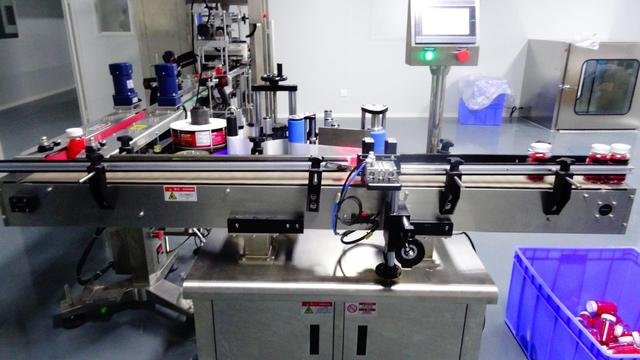
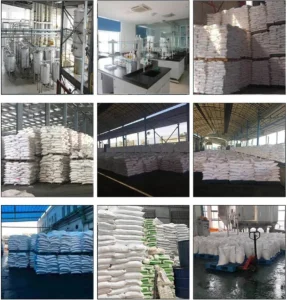
Below is a look inside our manufacturing processes, including extraction, spray drying, testing laboratories, and warehouses:









Entering the Nigerian food, beverage, or cosmetics market requires meeting local standards and navigating the regulatory environment. We help support our partners through the regulatory process to keep supply lines running smoothly:
We provide documentation packages to help you register with the National Agency for Food and Drug Administration and Control (NAFDAC), including Certificates of Analysis (CoA), free sale certificates, flow charts, and microbiological safety reports.
To meet the preferences of consumers throughout West Africa, our oat proteins are produced in certified Halal facilities. We also maintain ISO 22000, HACCP, and Kosher certifications to meet food safety requirements.
Our packaging is designed to protect ingredients during shipping to Apapa or Tin Can Island Ports. The multi-layer paper bags with PE inner liners protect the protein from moisture, helping prevent clumping in hot and humid climates.
To help manufacturers plan their product pipelines, our R&D teams are focusing on several key developmental areas:
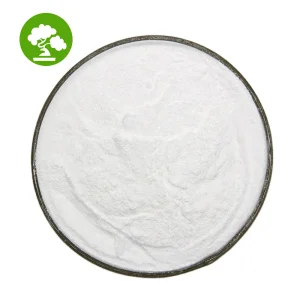
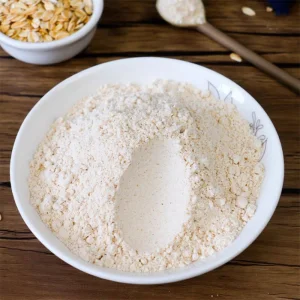
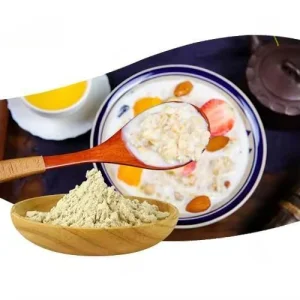
Explore our complete selection of plant proteins and oat extracts available for direct export to Nigeria.
Common questions from production managers and purchasing agents in the Nigerian market.
 Entry Biology