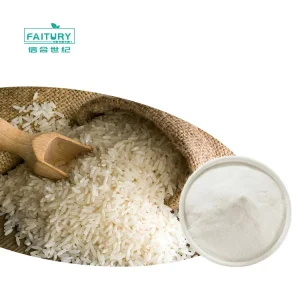
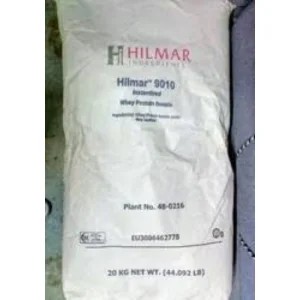
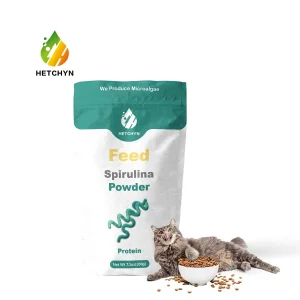
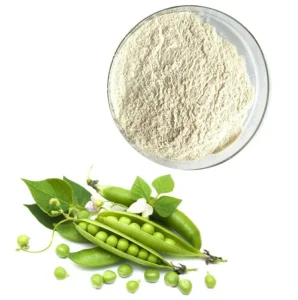
Explore our top-recommended high-purity protein isolates and customized vegan nutritional powders designed for optimal bioavailability and solubility.
Hangzhou Entry Bio Co., Ltd. integrates raw agricultural selection with state-of-the-art biochemistry to manufacture sustainable ingredients.
The global shift toward plant-based diets and sustainable protein alternatives has propelled food-grade vegetal proteins from a niche market segment into a core macroeconomic sector. As modern consumers demand clean labels, low-allergen matrices, and robust nutritional profiles, food manufacturing conglomerates require secure, high-purity protein inputs. Hangzhou Entry Bio Co., Ltd. stands at the nexus of this industry, combining China's agricultural raw material depth with precision processing to deliver a multifaceted portfolio of non-GMO soy, pea, rice, oat, and specialty algae-derived proteins.
We specialize in the research, production, and global supply of premium plant protein ingredients. By utilizing advanced enzymatic hydrolysis, ultrafiltration, and flash-drying technologies, we ensure that every batch of protein preserves its native physical and structural integrity, delivering high solubility, emulsification, and nutritional density.
China's prominence as a leading manufacturer of vegetal proteins is not merely a matter of scale; it is rooted in supply chain integration, raw material localization, and technological innovation. Hangzhou Entry Bio Co., Ltd. capitalizes on these unique benefits to deliver consistent value to international markets:
The global food industry is entering a "clean label 2.0" era. Manufacturers are moving away from chemical stabilizers, forcing plant protein ingredients to provide natural functional properties (such as gelation, water-binding capacity, and emulsion stability) directly within the food matrix.
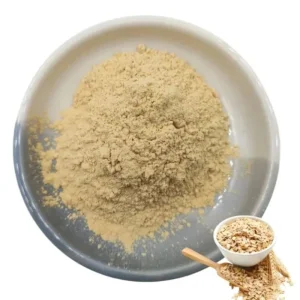
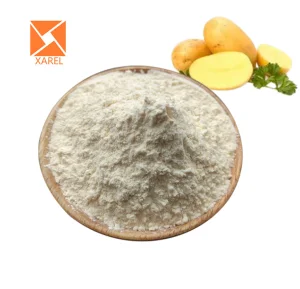
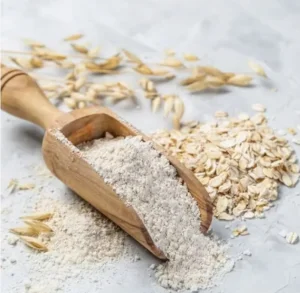
Furthermore, allergen mitigation has prioritized pea, rice, oat, and fava bean proteins. As buyers reduce their reliance on gluten and dairy, hypoallergenic botanical proteins have seen rapid adoption. Our R&D division has responded to these trends by developing hydrolyzed oat protein and potato protein peptides, which exhibit enhanced bioavailability and quick absorption profiles suitable for sports nutrition and clinical dietary formulations.
Recreating the sensory characteristics of animal proteins is one of the biggest challenges in plant-based food science. Our technical team works alongside research partners to develop systematic solutions:
Dairy Replacement Systems: Standard soy or rice proteins often display grittiness or rapid sedimentation in liquids. Our high-solubility soy protein isolate utilizes structural modification of globulin proteins to enhance stability in soy, oat, and almond milk. Even under ultra-high-temperature (UHT) pasteurization, it maintains a smooth mouthfeel and remains suspended without separation.
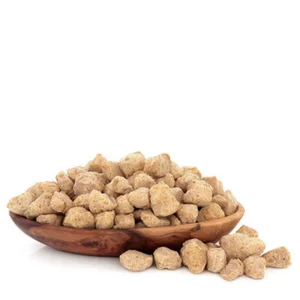
Structured Meat Analoques: High-protein seasoned soya chunks and textured vegetable proteins (TVP) are engineered to exhibit fibrous meat-like structures upon hydration. Precise thermal extrusion control creates a tensile strength that absorbs seasoning and moisture, making them ideal for ready-to-eat vegan meat applications.
From custom particle-size milling (fine mesh for dry beverages) to tailored bulk densities for supplement tablets, our R&D center configures the physical parameters of each protein to match your processing equipment.
Every shipment is backed by a Certificate of Analysis (COA) confirming pesticide screening, heavy metal compliance, pathogen-free verification, and accurate protein assays (Dumas/Kjeldahl methods).
Operating a robust global supply network with strategic hubs allows us to maintain consistent lead times, ensuring your food production lines never experience downtime due to ingredient shortages.
Different markets demand distinct sensory and nutritional parameters. We tailor our vegetal protein properties to align with regional regulatory standards and consumer palettes.
Driven by clean-label fitness demands, we supply pea and rice protein blends with high concentrations of Branched-Chain Amino Acids (BCAAs). These proteins are optimized for instant dispersion in post-workout shaker bottles without gritty mouthfeel or foaming.
EU consumers favor allergen-free, non-GMO products. Our high-solubility oat proteins and fava bean isolates provide clean-label functionality, enabling developers to formulate plant-based yogurts and barista milks without soy allergens or artificial thickeners.
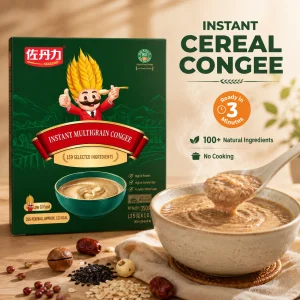
Functional porridge, meal replacements, and nutritious snacks are growing rapidly in APAC. We supply ready-to-use plant protein premixes and organic oat beta-glucan extracts that blend into traditional grain bases, offering high nutrition and gut-health support.
Modern global procurement divisions operating under BRCGS, IFS, and SQF guidelines require transparency and safety. Our quality management systems operate under a zero-tolerance policy for contamination.
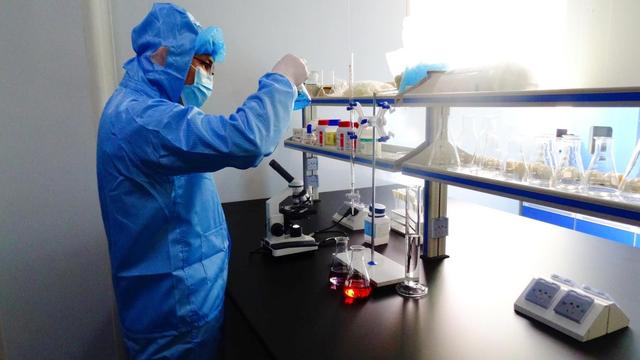
By establishing full traceability back to the agricultural source, we verify the cultivation, harvesting, and processing parameters of our soy, peas, and grains. Our advanced internal laboratory utilizes high-performance liquid chromatography (HPLC) and atomic absorption spectroscopy to screen for pesticides, heavy metals, and physical impurities before any product is shipped.
We work closely with food developers to optimize formulations. When developing a vegan protein powder, dry mix, or plant-based meat, getting the texture, color, and flavor profile right is critical.
Our pilot plant simulates global manufacturing scenarios, including high-shear mixing, thermal extrusion, and spray drying. This allows us to predict ingredient performance in scale-up production, reducing trial costs and accelerating time-to-market for our partners.
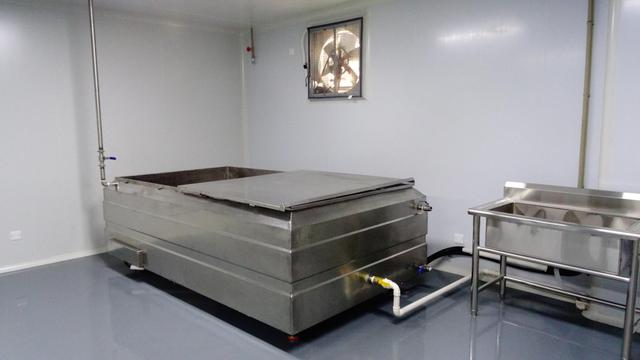
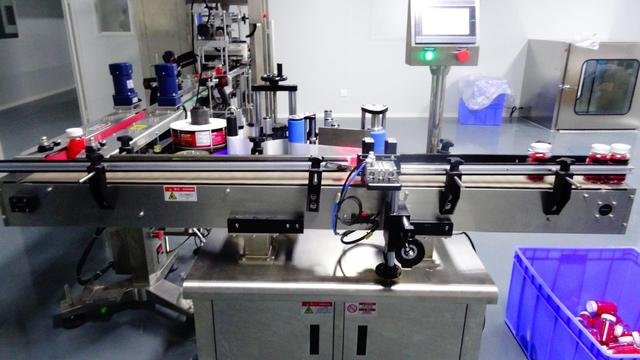
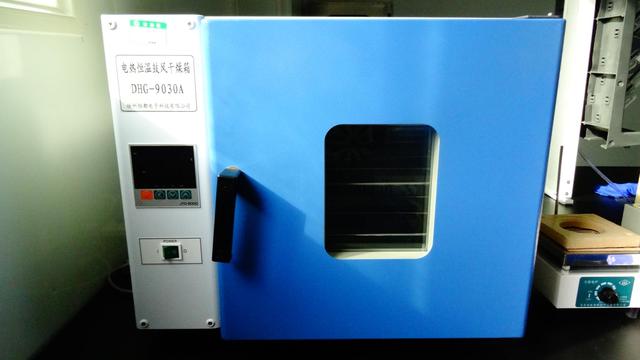
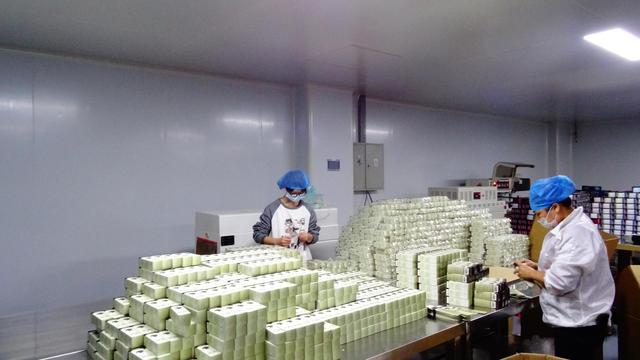
Take a look inside our high-capacity processing plants, raw material warehousing, and quality control laboratories, which ensure consistent product performance.





Get professional answers about technical specifications, application methods, shipping, and customization options.
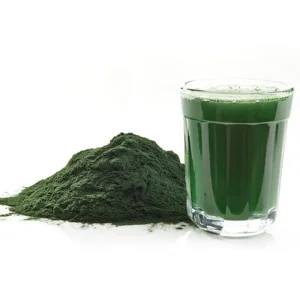
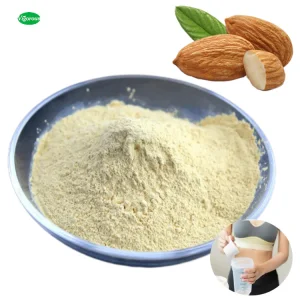
Explore our specialty selection of blue-green algae, sunflower, almond, and high-purity animal recovery isolates designed for specific clinical and athletic applications.
 Entry Biology