Explore our premium selection of non-GMO, clean-label raw materials sourced from sustainable agricultural bases, ideal for food processing, sports nutrition, and dietary supplements.
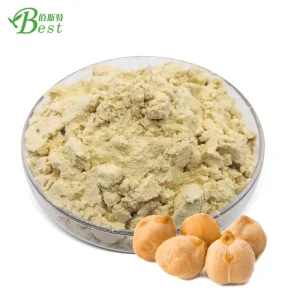
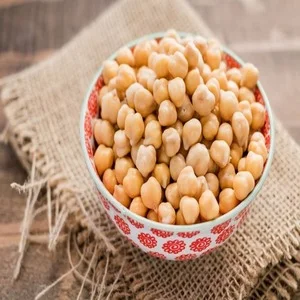
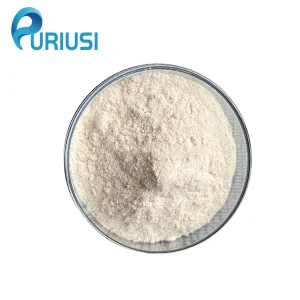
In the modern bio-economy, mono-source vegetal proteins are increasingly giving way to optimized plant-based protein blends. While soy, pea, and wheat proteins remain core market staples, formulation scientists and B2B buyers now look to complex hybrid protein matrices to satisfy demanding clean-label, functional, and sensory objectives.
The transition from single-source protein concentrates to advanced blends represents a strategic effort to address two key challenges: nutritional incompleteness and flavor limitations. Plant proteins typically lack one or more essential amino acids. For instance, grains are deficient in lysine, while legumes are low in methionine. By pairing pea and rice proteins, or blending chickpea, hemp, and mung bean fractions, manufacturers can develop an amino acid profile with a PDCAAS (Protein Digestibility-Corrected Amino Acid Score) of 1.0, matching the nutritional profile of animal protein.
From a manufacturing perspective, sourcing from multiple plant classes introduces complex structural variables. The protein isolation processes used by leading Chinese factories—such as alkaline extraction-acid precipitation, air classification, and membrane filtration—have been refined to control gelling, water binding, and emulsifying dynamics. This technical expertise allows manufacturers to customize plant protein blends to meet the needs of diverse end-use applications, from beverage emulsification to textured plant-based meats.
Hangzhou Entry Bio Co., Ltd. is a leading China vegetal protein manufacturer specializing in the research, production, and global supply of high-quality plant protein ingredients and food-grade protein solutions.
With a strong commitment to innovation, quality, and sustainability, the company serves customers across the food, beverage, nutrition, and health industries worldwide. Leveraging advanced manufacturing technologies and strict quality management systems, Hangzhou Entry Bio Co., Ltd. offers a comprehensive portfolio of plant-based ingredients, including soy protein, pea protein, rice protein, textured vegetable protein, and customized protein blends.
These products are widely used in meat alternatives, dairy alternatives, sports nutrition, functional foods, bakery products, beverages, and nutritional supplements. Quality and food safety are at the core of the company's operations. From raw material sourcing to finished product delivery, every production stage is carefully monitored to ensure consistent quality, purity, and performance.
The company adheres to international quality standards and continuously invests in product innovation to meet the evolving demands of the global plant-based market. As a reliable plant protein ingredients supplier, Hangzhou Entry Bio Co., Ltd. also provides professional technical support and customized formulation services, helping customers develop competitive and market-oriented products. Backed by an experienced R&D team and efficient supply chain management, the company is capable of delivering tailored solutions for diverse application requirements.
We design customized solutions to meet the specific functional and regulatory requirements of diverse target markets.
High-gel, non-GMO soy protein isolates and texturized vegetable proteins (TVP) designed to mimic the fibrous structure, moisture retention, and chewiness of animal meats under high-shear extrusion conditions.
Ultra-fine, highly soluble pea, rice, and chickpea protein isolates optimized to remain suspended in liquids, prevent sedimentation, and provide clean mouthfeel and thermal stability in milks and yogurts.
Premium blends formulated with optimized amino acid profiles, including BCAAs (branched-chain amino acids), for muscle synthesis, quick recovery, and smooth blending in dry drink powders.
Acid-stable plant protein isolates designed to remain clear and stable in low-pH drinks, providing protein fortification without altering flavor or texture.
Heat-stable vegetal proteins that improve crumb structure, water retention, and shelf life in gluten-free baked goods, high-protein cookies, and extruded snacks.
Hypoallergenic, highly digestible, non-GMO proteins such as chickpea and mung bean isolates, designed for infant formulas, elderly nutrition, and medical foods.
Our technical process is designed to deliver high purity, improve digestion kinetics, and ensure excellent sensory performance.
Using food-grade aqueous solvents to extract protein fractions, eliminating the use of harsh chemicals like hexane. This process preserves the native structure and functionality of the plant proteins.
Applying cross-flow membrane filtration to remove non-protein components like soluble sugars and ash, concentrating the protein content to over 90% dry basis.
Utilizing natural enzymes to target and break down aldehydes and ketones, which are responsible for beany or bitter notes. This produces a clean, neutral taste profile without the need for masking additives.
Blending complementary plant proteins (e.g., grain and legume profiles) in precise ratios, followed by fluid-bed agglomeration to improve powder flow and rapid dispersibility in liquids.
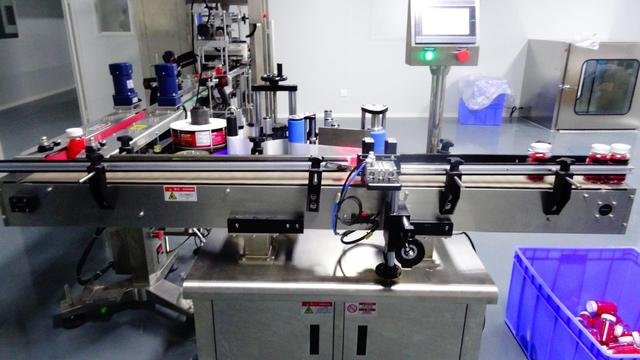
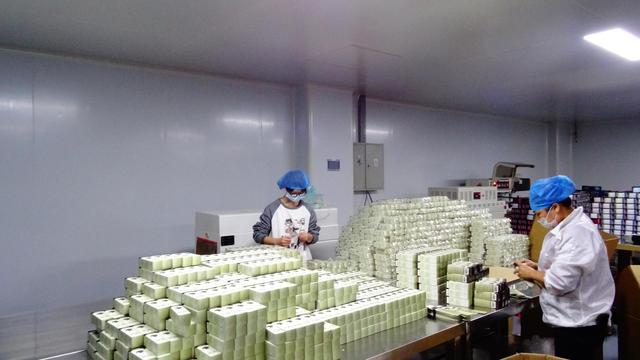
Our production operations follow strict GMP standards, using advanced technologies to ensure product safety, consistent quality, and efficient supply chain delivery.








As plant-based nutrition matures, several critical technological and consumer trends are reshaping how ingredients are sourced, processed, and blended.
Combining precision-fermented proteins with botanical protein bases to create hybrid products that mimic the taste, melting properties, and cooking performance of real dairy and meat.
Replacing chemical texturizers like methylcellulose with functional plant proteins, utilizing high-emulsifying soy and pea concentrates to provide natural structure and binding.
Using protein fractions recovered from agricultural byproducts, such as barley grains from brewing or oilseed press cakes, to improve cost efficiency and support circular sustainability goals.
Answers to common technical, logistics, and quality control questions from sourcing managers and formulation scientists.
Premium botanical extracts, high-concentration vegan proteins, and clean-label agricultural ingredients designed for global food manufacturing and sports nutrition.
 Entry Biology